
IMF-World Bank meetings open in Bangkok as energy shock, debt and AI cloud outlook
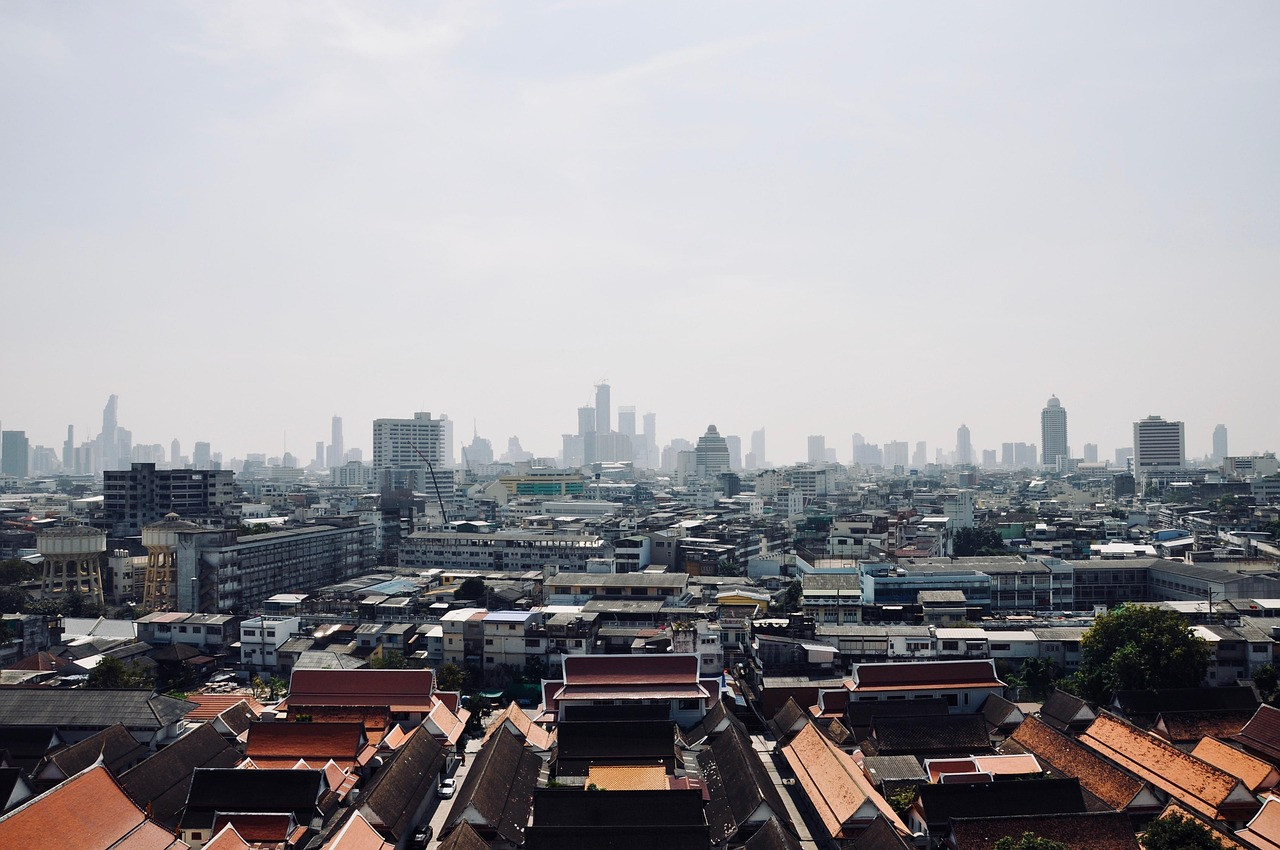
Representative image: dariasophia / Pixabay
The IMF-World Bank Annual Meetings run in Bangkok from 12 to 18 October 2026, the first outside Washington in three years, with energy prices, debt and AI in focus.
What Happened
The 2026 Annual Meetings of the International Monetary Fund and the World Bank Group open today, Monday, 12 October 2026, in Bangkok, Thailand, and run until Sunday, 18 October. It is the first time in three years that the meetings, which bring together finance ministers and central bank governors from member countries, are being held outside Washington. The week's agenda is dominated by three pressures that IMF Managing Director Kristalina Georgieva set out in her curtain-raiser speech: an energy price shock linked to the war in the Gulf, record public debt, and a boom in artificial intelligence investment. The IMF's updated World Economic Outlook is expected to keep its 2026 global growth forecast at about 3 per cent.
Key Facts
- Dates and place: 12 to 18 October 2026, in person in Bangkok, Thailand.
- First Annual Meetings held outside Washington in three years.
- Development Committee ministerial session: 15 October; official Annual Meetings plenary: 16 October; International Monetary and Financial Committee plenary: 17 October.
- Main themes: high energy prices, record public debt and the economic effects of artificial intelligence, as outlined by Georgieva.
- The IMF's 2026 global growth forecast of about 3 per cent is expected to hold roughly steady, with a possible small upward revision for 2027, according to reports ahead of the meetings.
- Downgrades are expected for war-hit economies, including Ukraine and Gulf states affected by reduced energy exports.
- World Bank President Ajay Banga has said growth has held up better than feared, but that pressures are building again.
Why It Matters
The Annual Meetings are where the world's finance officials take stock of the global economy and agree on priorities for the year ahead. Decisions and statements made here shape how the IMF lends to countries in trouble, how the World Bank directs development finance, and how governments coordinate on issues such as debt relief and financial stability.
This year the mood is cautious. Georgieva has described the world economy as caught between a negative energy supply shock from the Middle East conflict and a positive demand shock from heavy spending on artificial intelligence. The first pushes up costs and inflation; the second lifts investment and growth in a small number of countries. Record government debt limits how much room many countries have to respond. She has urged policymakers to act rather than delay, and suggested central banks keep what she called a "prudently hawkish bias".
Holding the meetings in Bangkok also puts emerging Asia in the spotlight. Many Asian economies import much of their energy, so the oil shock is felt sharply across the region.
For India, the meetings matter on several fronts. India is a large oil importer, so energy prices feed directly into inflation and the rupee. The IMF's growth projections for India, and its views on capital flows and exchange rates, are closely watched by investors.
| Date | Session |
|---|---|
| 12 October | Annual Meetings begin |
| 15 October | Development Committee ministerial session |
| 16 October | Official Annual Meetings plenary |
| 17 October | IMFC plenary session |
| 18 October | Meetings close |
Impact
Short-term: Markets will watch the IMF's updated forecasts and the official statements for signals on inflation, interest rates and the risks from energy prices and debt.
Long-term: Agreements reached on debt, development lending and the role of AI could shape how international institutions support countries through a period of high energy costs and rapid technological change.
Who is affected: Finance ministries and central banks, countries with heavy debt burdens, oil-importing economies including India, investors in emerging markets, and recipients of World Bank funding.
Key Takeaway
The IMF and World Bank meet in Bangkok from 12 to 18 October 2026 with energy prices, record debt and the AI boom at the centre of a cautious global outlook.
Questions and Answers
Where and when are the 2026 IMF-World Bank Annual Meetings?
In Bangkok, Thailand, from 12 to 18 October 2026, the first time in three years that they are held outside Washington.
What are the main issues on the agenda?
High energy prices linked to the Gulf war, record public debt, and the economic effects of the artificial intelligence investment boom.
What growth forecast is the IMF expected to give?
Reports ahead of the meetings say the IMF is expected to keep its 2026 global growth forecast at about 3 per cent, with downgrades for war-hit economies.
Why do these meetings matter for India?
As a major oil importer, India is exposed to energy prices, and IMF forecasts and policy advice influence investor views on its growth, currency and capital flows.
Disclaimer: Prepared by the Peepals newsroom from publicly available sources with AI assistance. Information is accurate to the best of our knowledge at the time of publication and may change. Images may be representative. Not professional advice. Report an error via our contact page.
Sourced and fact-checked by the Peepals Global Editorial Team
Bitcoin slips 2% in week to $82,900; Ether, Solana fall three times as hard
ServiceNow launches AI Workflow Factory in Mumbai; Infosys, Accenture adopt it
Reported, fact-checked and published by the Peepals Global Editorial Team.