
Intel to buy quantum software firm Classiq in reported $2.2 billion deal
 By Neha KapoorEconomy Correspondent, Peepals Business
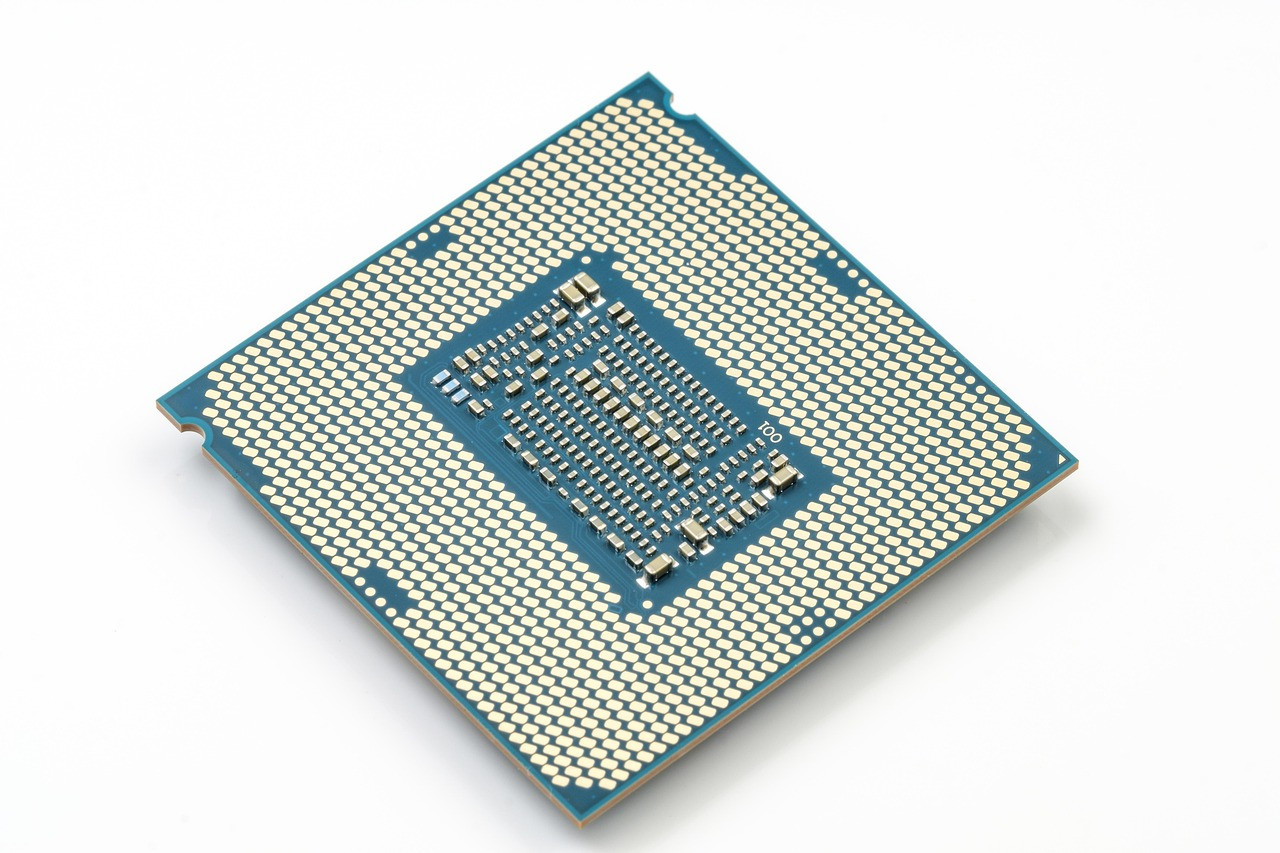
Representative image: Bru-nO / Pixabay
Intel agreed on October 26, 2026 to buy Tel Aviv quantum software firm Classiq in a deal reported at $2.2-2.3 billion, closing in 2027.
What Happened
Intel announced on October 26, 2026 that it has agreed to buy Classiq, a quantum computing software company based in Tel Aviv, Israel. Intel did not disclose the price, but business reports put the deal at about $2.2 billion to $2.3 billion, which would make it the largest acquisition so far in the quantum computing industry. Intel said the purchase is meant to turn its Quantum Computing Group into a full-stack quantum business, combining Classiq's software with the silicon spin-qubit chips Intel is developing. The deal is expected to close in the first half of 2027, subject to regulatory approvals, and the two companies will run separately until then.
Key Facts
- Buyer and target: Intel Corporation is acquiring Classiq, a quantum software start-up founded in Tel Aviv in 2020 and led by co-founder and chief executive Nir Minerbi.
- Price: not disclosed by Intel; reported at about $2.2 billion by some outlets and about $2.3 billion by others.
- Timing: announced on October 26, 2026; closing expected in the first half of 2027, subject to regulatory approval.
- Strategy: Intel says the deal makes its quantum unit a "full-stack" business, covering the chips, the control systems and the software that writes programs for them.
- Hardware-neutral: Intel says it plans to keep Classiq's links to other companies' quantum machines working after the deal closes.
- Funding history: Classiq raised $110 million in a Series C round in May 2025, led by Entree Capital, taking its total funding at that time to $173 million.
- Customers: Classiq has named BMW, Citi, Deloitte, Rolls-Royce, Mizuho and Toshiba among the enterprises using its platform.
- Link to Intel's chief: Intel chief executive Lip-Bu Tan was an early personal investor in Classiq, including in its $33 million Series B round in February 2022.
Why It Matters
A quantum computer works with qubits, units of information that can hold a mix of 0 and 1 at the same time, rather than the plain 0 or 1 of an ordinary computer bit. In theory this lets such machines solve some problems, such as simulating molecules for new drugs and materials, or certain optimisation and finance calculations, far faster than today's computers. In practice, the machines remain small and error-prone, and writing programs for them is slow, specialist work done gate by gate, the quantum equivalent of writing in machine code.
Classiq's product tackles that last problem. Its platform lets a developer describe what a program should do in high-level terms, and the software then generates, or "synthesises", an optimised quantum circuit for a particular machine. Minerbi has said the company's aim is to make quantum computing usable by developers who do not have deep circuit-design expertise. That is why large banks, carmakers and consultancies have been testing it, long before quantum computers are ready for daily business use.
For Intel, the deal is a bet on the long game. Intel's quantum research has focused on spin qubits, which store information in single electrons held in silicon, a design that can be made with methods close to those used for ordinary chips. Other companies are building quantum machines on different designs. By owning a popular software layer that already works across many types of machine, Intel gains a direct relationship with the developers and enterprises that will eventually buy quantum computing time. Reports describe this as Intel's second-largest acquisition, after its purchase of Mobileye.
The size of the price matters too. Classiq's 2025 funding round was reported to value it at roughly $600 million to $700 million, so Intel is reportedly paying around three times that, a sign that its leadership sees quantum software as a future market worth paying for now. Because Lip-Bu Tan was a personal investor in Classiq before he became Intel's chief executive, the deal is also likely to draw questions on how that interest was handled.
| Deal at a glance | Detail |
|---|---|
| Announced | October 26, 2026 |
| Reported value | About $2.2 billion to $2.3 billion (not disclosed by Intel) |
| Expected close | First half of 2027, subject to approvals |
| Classiq founded | 2020, Tel Aviv |
| Classiq Series C | $110 million, May 2025 |
Impact
Short-term: Nothing changes for Classiq's customers until the deal closes; Intel says the two companies stay independent until then and that Classiq's support for other hardware will continue. Regulators in the US, Israel and elsewhere will review the transaction.
Long-term: If the deal closes, Intel will offer quantum chips and the software to program them under one roof. That could make Intel a stronger contender in a market where software ecosystems often decide which hardware wins. It also raises the value of other quantum software start-ups, which may now attract interest from large chipmakers and cloud companies.
Who is affected: Classiq's staff and investors; enterprises testing quantum applications, including banks and manufacturers; rival quantum hardware makers that rely on Classiq's software; and Indian companies and researchers building quantum skills under the government's National Quantum Mission, for whom the main tools of the field are now increasingly owned by large chipmakers.
Key Takeaway
Intel's reported $2.2 billion to $2.3 billion purchase of Classiq gives its silicon quantum chips a ready-made software layer and makes it the largest deal yet in quantum computing.
Questions and Answers
What is Classiq and why did Intel buy it?
Classiq is a Tel Aviv quantum software company, founded in 2020, whose platform turns high-level descriptions of a program into optimised quantum circuits. Intel agreed on October 26, 2026 to buy it so that it can offer both quantum chips and the software to program them.
How much is Intel paying for Classiq?
Intel has not disclosed the price. Business reports put the value at about $2.2 billion to $2.3 billion, which would be the largest acquisition so far in the quantum computing industry.
When will the Intel-Classiq deal be completed?
Intel expects the acquisition to close in the first half of 2027, once regulators approve it. Until then, Intel and Classiq continue to operate as separate companies.
Will Classiq's software still work on non-Intel quantum computers?
Intel says it intends to keep Classiq's integrations with other quantum hardware platforms running after the deal closes, so the software stays usable across different machines.
Disclaimer: Prepared by the Peepals newsroom from publicly available sources with AI assistance. Information is accurate to the best of our knowledge at the time of publication and may change. Images may be representative. Not professional advice. Report an error via our contact page.
By Neha Kapoor, Economy CorrespondentCovers Economy and more for Peepals Business. All stories by Neha Kapoor
Get the day's stories in your inbox
Peepals Weekly: the week decoded, free. One email a week, unsubscribe in one click.
Neha Kapoor is a pen name of the Peepals Global Editorial Team, which researches, fact-checks and publishes every story. The portrait is an illustration.