
Bedrock Robotics raises $600 million for self-driving excavators at $4.1 billion value
 By Elena D’SouzaStartups & Innovation Correspondent, Peepals Global
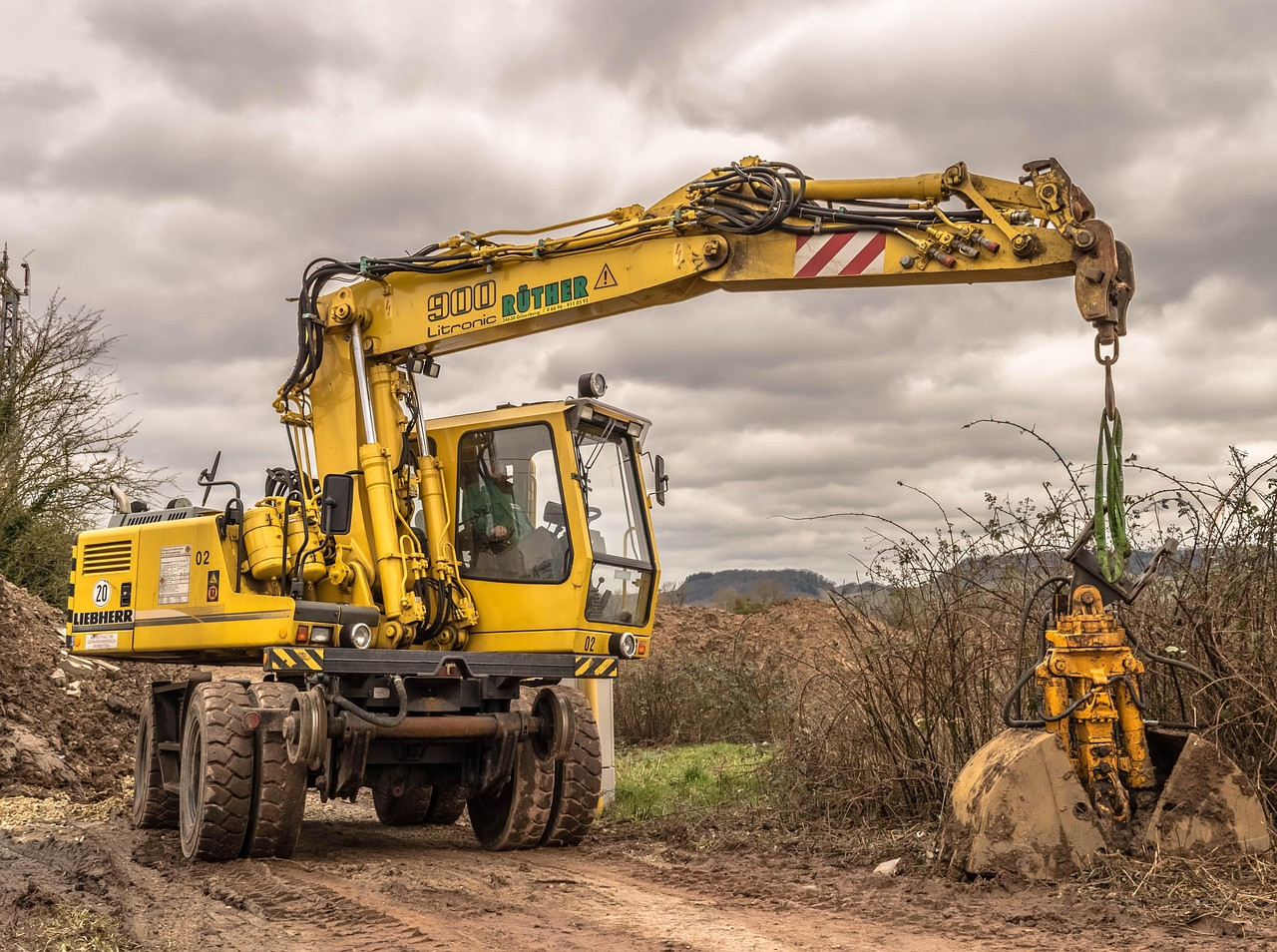
Representative image: Tama66 / Pixabay
San Francisco's Bedrock Robotics raised $600 million on October 26, 2026 at a $4.1 billion valuation to scale its retrofit self-driving system for excavators.
What Happened
Bedrock Robotics, a San Francisco start-up that makes construction machines drive themselves, raised $600 million in a Series C funding round on Monday, October 26, 2026, at a post-money valuation of $4.1 billion. The round was co-led by CapitalG, Alphabet's growth investment fund, and Emergence Capital. The company, about two years old and founded by former Waymo engineers, builds an autonomy system that can be fitted to existing heavy equipment, starting with excavators.
Key Facts
- Funding: $600 million Series C, announced October 26, 2026.
- Valuation: $4.1 billion after the round, up from $1.75 billion in February 2026, according to reports.
- Co-leads: CapitalG and Emergence Capital.
- New investors include the US Innovative Technology Fund, Bessemer Venture Partners and Temasek; others taking part include Valor Equity Partners, 8VC and NVentures, Nvidia's venture arm, reports say.
- Total funding raised is close to $1 billion.
- Its excavators have done paid work on construction sites with no operator in the cab since August 2026, according to the company.
- The company says it has more than doubled its customer base since 2025 and is adding contractors in Texas, Minnesota, Florida, Virginia, Colorado, Missouri and Georgia.
Why It Matters
Most talk about self-driving technology has focused on robotaxis on city streets. Bedrock is betting that construction sites are an easier and more urgent place to use it. A building site is a closed, controlled area, machines move slowly, and the same digging tasks are repeated for hours. A system that lets an excavator dig without a person in the seat, while being supervised, could help contractors keep projects moving.
Bedrock's approach is to retrofit, not replace. Instead of building new machines, it adds sensors, computers and software to excavators that contractors already own. That lowers the cost of trying the technology and could let it spread faster, because construction companies have large fleets of expensive machines that last many years. The company says the move from test sites to paid jobs began in August, which is the step investors look for before putting in large sums.
The size and speed of the funding are notable. The company's valuation has more than doubled in about eight months, and the round brings it close to $1 billion raised in total. Backing from CapitalG, Alphabet's growth fund, and from Nvidia's venture arm links it to two of the biggest names in AI and computing, and the round reflects how investors are now putting money into "physical AI", where software controls machines in the real world, not only chatbots.
There are open questions. Construction sites are messy and change every day, with workers on foot near heavy machines. Safety rules for unmanned machines are still developing, and contractors and insurers will want proof that the system is safe over long periods. The company has not published independent safety data in the reports on the round.
| Detail | Bedrock Robotics |
|---|---|
| Based | San Francisco |
| Round | $600 million Series C, October 26, 2026 |
| Valuation | $4.1 billion (from $1.75 billion in February) |
| Co-leads | CapitalG, Emergence Capital |
| Product | Retrofit autonomy system, starting with excavators |
Impact
Short-term: Bedrock will use the money to put its system on more machines and sign more contractors across the United States, according to reports.
Long-term: If autonomous excavators prove safe and reliable, other kinds of heavy equipment, such as loaders and bulldozers, could follow, changing how large building and infrastructure projects are staffed. For countries with big construction pipelines, including India, such systems may eventually be tested on large projects, though no plans for India have been announced.
Who is affected: Construction contractors and equipment operators, makers of heavy machinery, investors in robotics and AI, and regulators responsible for worksite safety.
Key Takeaway
Bedrock Robotics raised $600 million at a $4.1 billion valuation on October 26, 2026, to scale its add-on self-driving system for excavators after starting paid, operator-free work in August.
Questions and Answers
How much did Bedrock Robotics raise and at what valuation?
Bedrock Robotics raised $600 million in a Series C round on October 26, 2026, at a post-money valuation of $4.1 billion, up from $1.75 billion in February.
Who led Bedrock Robotics' funding round?
CapitalG, Alphabet's growth fund, and Emergence Capital co-led the round. New investors included the US Innovative Technology Fund, Bessemer Venture Partners and Temasek.
What does Bedrock Robotics make?
It makes an autonomy system that can be fitted to existing construction machines, starting with excavators, so they can dig without a person in the cab. The company says its excavators have done paid work without an operator since August 2026.
Is Bedrock Robotics operating in India?
No plans for India have been announced. The company is currently adding contractors in several US states, including Texas, Florida and Georgia.
Disclaimer: Prepared by the Peepals newsroom from publicly available sources with AI assistance. Information is accurate to the best of our knowledge at the time of publication and may change. Images may be representative. Not professional advice. Report an error via our contact page.
By Elena D’Souza, Startups & Innovation CorrespondentCovers Start-ups & Opportunities and more for Peepals Global. All stories by Elena D’Souza
Elena D’Souza is a pen name of the Peepals Global Editorial Team, which researches, fact-checks and publishes every story. The portrait is an illustration.