
Trump data centre tax threat: what it means for India's AI hubs
 By Neha KapoorStaff Writer, Peepals Business
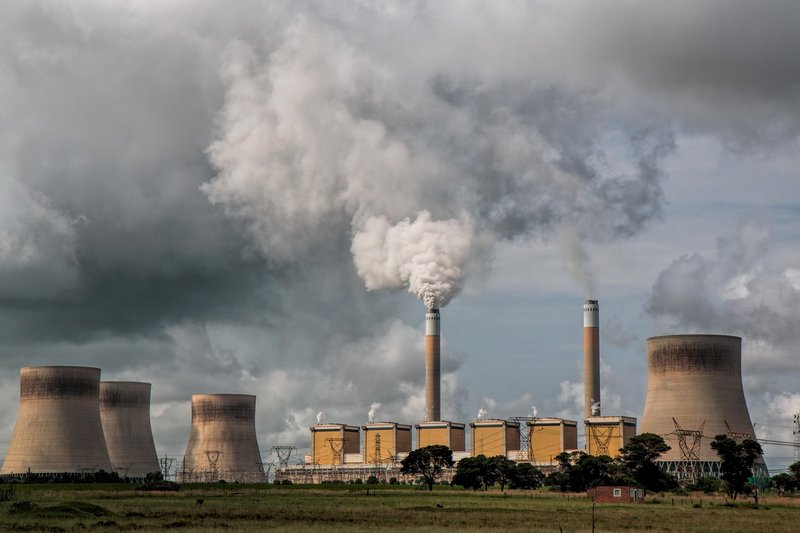
Representative image: computergottyt / Pixabay
Trump threatened on 20 November 2026 a 'tremendous tax' on US firms building data centres abroad, with no rate or date, raising questions for Google's Visakhapatnam hub.
Trump data centre tax: what happened
Trump data centre tax: United States President Donald Trump said at a White House news conference on Friday, 20 November 2026, that his administration would not let American companies build data centres in other countries and would put "a tremendous tax on them" if they did. He linked the threat to China, saying data centres built abroad risk falling into China's hands. Trump did not say how large the tax would be, which companies or projects it would cover, when it would start, or under what legal power it would be imposed, and no written order or bill had been published by Monday, 23 November.
Trump data centre tax: key facts
- The remarks came on Friday, 20 November 2026, at a White House news conference after Trump's trip to Asia.
- Trump said: "We're not going to allow companies to build data centers in other countries."
- He gave no tax rate, no start date, no list of companies and no legal basis.
- It is unclear whether the threat would cover all overseas data centres, only those for advanced AI, or only some countries.
- No executive order or bill setting out the tax had been released as of 23 November 2026.
- Google announced in October 2025 a plan to invest $15 billion in an AI hub in Visakhapatnam, Andhra Pradesh, including a large data centre campus.
- Many countries, including India, require some kinds of data to be stored inside their borders, one reason global firms build local data centres.
Trump data centre tax: why it matters
A data centre is a building full of servers that store data and run software, including the large AI models that need huge amounts of computing power. Over the past two years, American technology companies have announced some of the biggest foreign investments India has received in this field. Google's Visakhapatnam AI hub is the largest single example, and Microsoft and Amazon Web Services have also announced major cloud and data centre build-outs in the country.
Trump's remarks put a question mark over the later stages of those plans. A tax on building abroad would raise the cost of every overseas facility a US company adds, and could push firms to build more capacity at home instead. For India, which wants to become a regional hub for AI computing, that would mean slower or smaller projects from the companies most able to fund them.
There are good reasons for caution before reading too much into the threat. It has no rate, no date and no legal route yet. Companies also do not build data centres abroad only for cost reasons. Indian rules on payment data, government cloud work and personal data push firms to keep certain data in the country; a US tax would not remove that need. Indian data centre operators, many of them domestic companies, would not be directly covered by a tax aimed at American firms.
The threat also shows how AI infrastructure is turning into a strategic issue, not just a business one. Trump framed it around keeping capacity away from China, which suggests any eventual rule may treat countries differently. India's position as a strategic partner of the US could matter in how, or whether, any measure applies to projects there.
Peepals timeline: In October 2025, Google announced its $15 billion AI hub plan for Visakhapatnam. Through 2026, US cloud companies continued to announce capacity in India. On Friday, 20 November 2026, Trump made his remarks at the White House. Over the weekend of 21 and 22 November, Indian commentators began asking whether the Visakhapatnam hub and other projects were at risk. As of Monday, 23 November, there is no written policy to test against those projects.
| Question | What is known on 23 November 2026 |
|---|---|
| Tax rate | Not stated |
| Start date | Not stated |
| Companies covered | Not stated |
| Legal route | Not stated |
| Projects named by Trump | None |
Trump data centre tax: impact
Short-term: Expect US cloud and AI companies to be asked by investors and Indian state governments about their overseas plans. Announced projects are unlikely to stop overnight, since no rule exists yet, but new announcements may slow while companies wait for details.
Long-term: If a tax is written into law or an executive order, Indian projects in their early phases would be most exposed. That could shift more of India's data centre growth towards Indian-owned operators and non-US investors.
Who is affected: Google, Microsoft, Amazon and other US technology firms with overseas build-outs; Andhra Pradesh, Telangana, Maharashtra and other states courting data centre investment; construction, power and equipment suppliers to these projects; and Indian businesses that buy cloud services.
What to watch next: Any written executive order or bill naming a tax rate, the companies covered and a start date.
Trump data centre tax: key takeaway
Treat Trump's data centre tax as a threat, not yet a policy: the details that would decide its effect on India, from the rate to the companies covered, have still to be written down.
Trump data centre tax: questions and answers
Is Google's Visakhapatnam AI hub cancelled because of Trump's remarks?
No. Trump did not name the project, and there is no written policy yet. Google announced the $15 billion hub in October 2025, and no change to that plan has been announced.
Has a data centre tax actually been imposed?
No. As of 23 November 2026, Trump has only threatened it at a news conference. No executive order, bill, tax rate or start date has been published.
Why do US companies build data centres in India at all?
Partly to serve Indian customers quickly and partly because Indian rules require some types of data, such as payment data, to be stored inside the country. A US tax would not remove those local requirements.
Would Indian data centre companies be taxed?
Trump's remarks were about American companies building abroad. Indian-owned operators would not be the target of such a tax as described, though they could feel indirect effects if US clients changed their plans.
Disclaimer: Prepared by the Peepals newsroom from publicly available sources with AI assistance. Information is accurate to the best of our knowledge at the time of publication and may change. Images may be representative. Not professional advice. Report an error via our contact page.
By Neha Kapoor, Staff WriterCovers Economy and more for Peepals Business. All stories by Neha Kapoor
Indian startup funding this week: $290 million, up 826% as AI leads
AI chips to China: US approved 879,000 Nvidia, AMD chips, House panel says
Your week ahead, every Sunday. Free.
Exam and result dates, IPOs opening, scheme deadlines, government holidays and the RBI decision for the next 7 days, plus the week's top stories. One email a week, unsubscribe in one click.
Neha Kapoor is a pen name of the Peepals Global Editorial Team, which researches, fact-checks and publishes every story. The portrait is an illustration.
Responsible for this story: the Peepals Global Editorial Team, led by editor Prashant Sonar. How we report