
FIFA U-17 Women's World Cup: Nigeria beat Japan 2-1 for first title
 By Elena D’SouzaStartups & Innovation Correspondent, Peepals Global
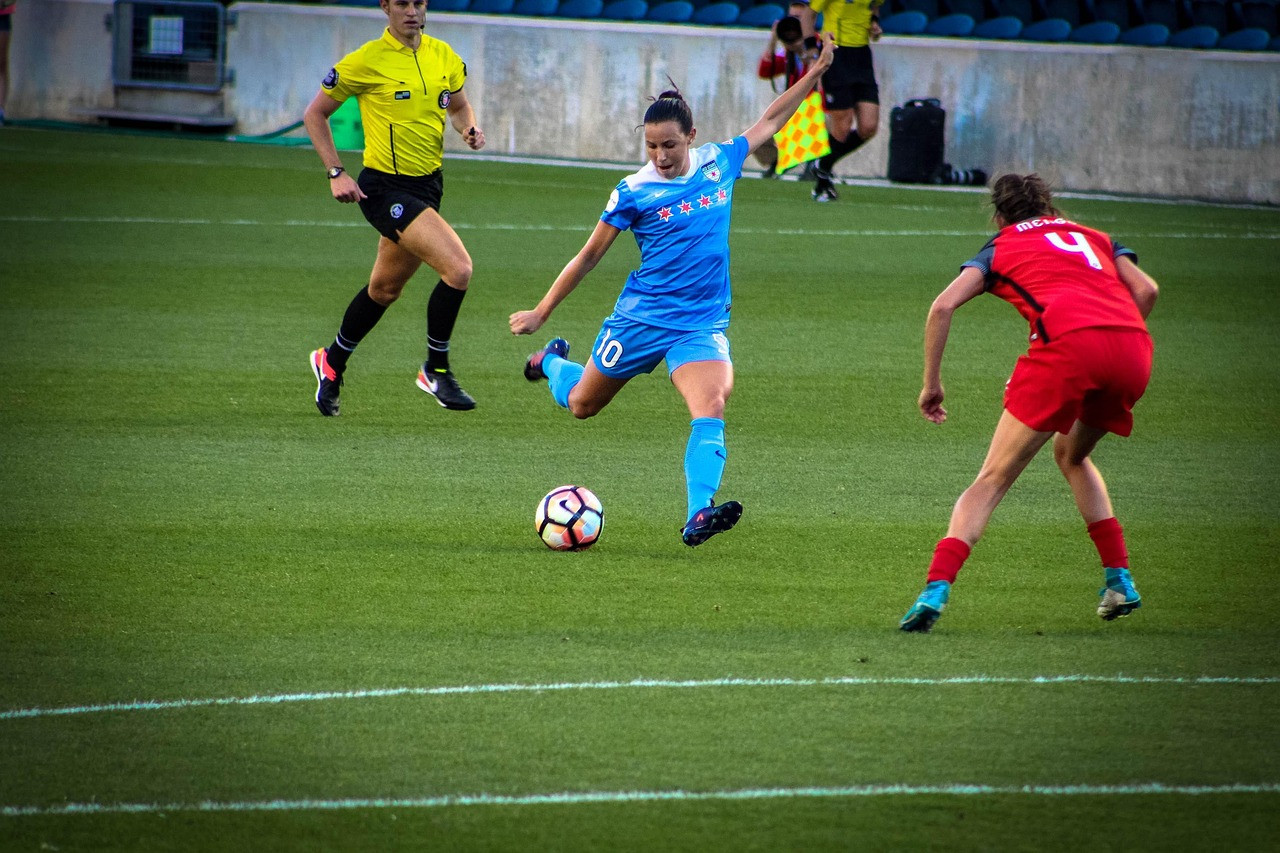
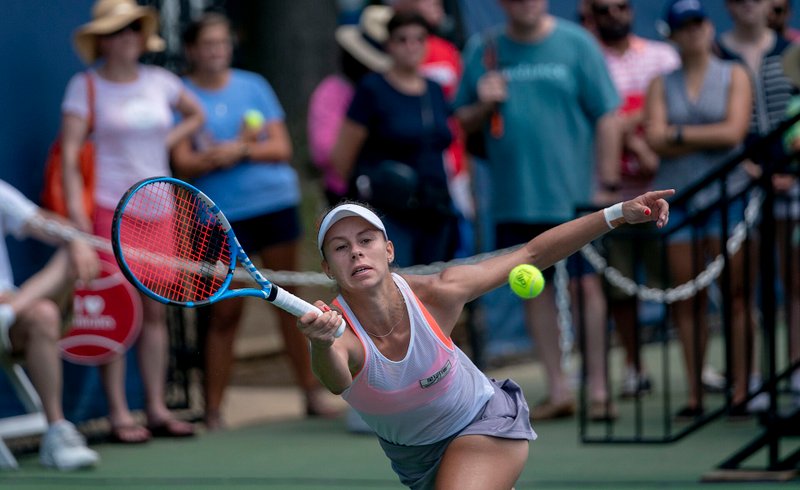
Representative image: milmascaras / Pixabay
Nigeria's Flamingos beat Japan 2-1 in Rabat on 7 November 2026 to become the first African winners of the FIFA U-17 Women's World Cup.
What Happened
Nigeria won the FIFA U-17 Women's World Cup for the first time on Saturday, 7 November 2026, beating Japan 2-1 in the final in Rabat, Morocco. Awawu Bashiru gave the Flamingos the lead just before half-time and Oluebube Umejiaku doubled it two minutes after the restart; Fuki Ito pulled one back for Japan in the 80th minute, but Nigeria held on. The win makes the Flamingos the first African team to lift the trophy, and Umejiaku was named the tournament's best player with the Golden Ball.
Key Facts
- Final: Nigeria 2, Japan 1, in Rabat, Morocco, on Saturday, 7 November 2026.
- Nigeria's goals: Awawu Bashiru in the 39th minute (one Nigerian report gives the 38th) and Oluebube Umejiaku in the 47th minute.
- Japan's goal: Fuki Ito volleyed in from a corner in the 80th minute, after substitute Anri Ito headed the ball across the box.
- Umejiaku won the Golden Ball as the tournament's best player.
- Nigeria lost their opening match 2-1 to Poland before a winning run; they beat Brazil 3-1 in the semi-final, while Japan beat North Korea on penalties in theirs.
- Nigeria is now the first African country to have won the U-17 World Cup in both the men's and women's game, according to the country's state broadcaster.
Why It Matters
For women's football in Africa, this is a breakthrough: no African team had won the competition before. Nigeria got there by beating Brazil in the semi-final and Japan in the final, while the other semi-final was between two Asian sides, Japan and North Korea. The result shows that an African youth team can now beat the strongest football nations at this age level.
The way Nigeria won also stands out. Losing the opening game to Poland in a short tournament usually puts a team under heavy pressure, since one more slip can mean an early flight home. The Flamingos recovered, went through the group and the knockout rounds, and then beat Brazil comfortably in the semi-final before handling a technically strong Japan in the final. A team that can come back from an early defeat in this way suggests resilience as well as talent.
The final itself turned on a short spell either side of half-time. Bashiru's goal shortly before the break and Umejiaku's soon after it gave Nigeria a cushion that Japan could not fully close. Reports from Nigeria said the second goal came from a dropping ball that Japan goalkeeper Kou Kadowaki could not hold. Japan pressed hard in the final 10 minutes after Fuki Ito's volley, but Nigeria defended their lead to the whistle.
The reaction at home was immediate. President Bola Tinubu congratulated the team and named the two scorers, and the National Sports Commission's director-general described the result as a defining moment for Nigerian football. FIFA President Gianni Infantino was present and applauded the players as they lifted the trophy.
For Indian readers who follow the women's game, the result is a reminder that the youth World Cup is open to new winners: a team that lost its first match went on to beat Brazil and Japan in the last two rounds.
Peepals calculation: Nigeria's two goals came eight minutes of playing time apart (39th and 47th minutes), and they then led 2-0 for 33 minutes, from the 47th to the 80th minute, before Japan scored. That means Nigeria defended a one-goal lead for only the last 10 minutes of normal time plus stoppage time. Our calculation from the reported figures.
| Minute | Event |
|---|---|
| 39 | Awawu Bashiru scores, Nigeria lead 1-0 |
| 47 | Oluebube Umejiaku scores, Nigeria lead 2-0 |
| 80 | Fuki Ito scores for Japan, 2-1 |
| Full time | Nigeria win their first U-17 Women's World Cup |
Impact
Short-term: The Flamingos return home as world champions, and Umejiaku and Bashiru become the faces of the team. Nigerian officials have already praised the squad, and the players can expect a public welcome.
Long-term: The title gives Nigeria a strong group of players to move up to its under-20 and senior women's teams in the coming years. It may also push other African federations to invest more in girls' youth football, now that one of them has shown the world title is within reach.
Who is affected: Nigeria's young women players and coaches, the Nigeria Football Federation and National Sports Commission, Japan's U-17 team, and African women's football more widely.
Key Takeaway
Nigeria beat Japan 2-1 in Rabat on 7 November 2026 to become the first African winners of the FIFA U-17 Women's World Cup, with Golden Ball winner Oluebube Umejiaku among the scorers.
Questions and Answers
Who won the FIFA U-17 Women's World Cup 2026?
Nigeria won it, beating Japan 2-1 in the final in Rabat, Morocco, on Saturday, 7 November 2026. It is Nigeria's first title in the competition and the first for any African team.
Who scored in the U-17 Women's World Cup final?
Awawu Bashiru and Oluebube Umejiaku scored for Nigeria, in the 39th and 47th minutes. Fuki Ito scored for Japan in the 80th minute.
Who won the Golden Ball at the 2026 U-17 Women's World Cup?
Nigeria's Oluebube Umejiaku, who also scored in the final, was named the tournament's best player.
How did Nigeria reach the final after losing their first match?
Nigeria lost 2-1 to Poland in their opening game, then recovered with a run of wins that included a 3-1 semi-final victory over Brazil.
Disclaimer: Prepared by the Peepals newsroom from publicly available sources with AI assistance. Information is accurate to the best of our knowledge at the time of publication and may change. Images may be representative. Not professional advice. Report an error via our contact page.
By Elena D’Souza, Startups & Innovation CorrespondentCovers Start-ups & Opportunities and more for Peepals Global. All stories by Elena D’Souza
Herzog picks Eisenkot over Netanyahu to form Israel's next government
Savage Son: Prime Video orders Terminal List series, Chris Pratt returns
Get the day's stories in your inbox
Peepals Weekly: the week decoded, free. One email a week, unsubscribe in one click.
Elena D’Souza is a pen name of the Peepals Global Editorial Team, which researches, fact-checks and publishes every story. The portrait is an illustration.