
Cricket Australia rules out new sandpaper probe after Warner backs Khawaja
 By Rohan SalujaGeopolitics Editor, Peepals Global
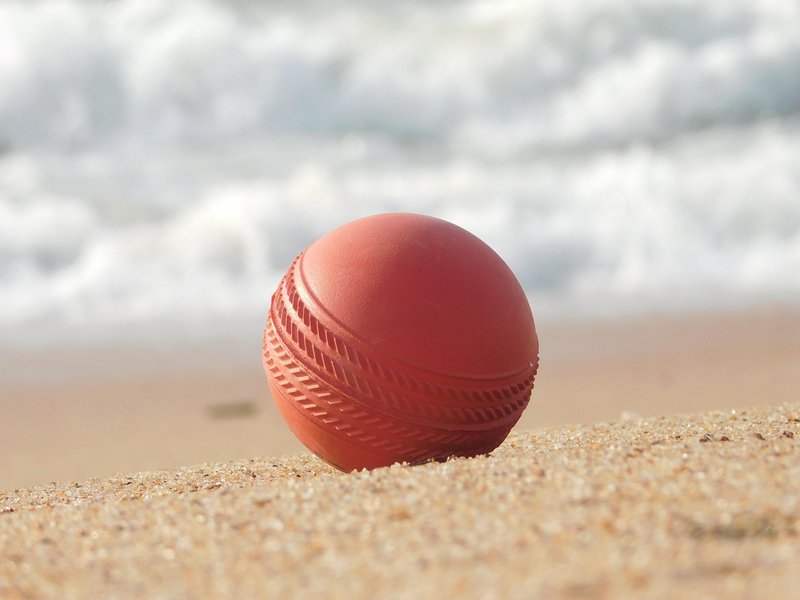
Representative image: Frank_P_AJJ74 / Pixabay
Cricket Australia chief Todd Greenberg says there is no compelling reason to reopen the 2018 ball-tampering probe, after David Warner backed Usman Khawaja's claims.
What Happened
Cricket Australia chief executive Todd Greenberg has ruled out reopening the investigation into the 2018 ball-tampering scandal, saying he did not see "any compelling reason" for a new inquiry. His comments, reported on Tuesday, 10 November 2026, came after Usman Khawaja's book Sabr said more players knew of the plan than the three who were punished, and after former opener David Warner publicly backed Khawaja's account, calling it "100% accurate" in an Instagram post, according to reports.
Key Facts
- Cricket Australia (CA) chief executive Todd Greenberg said he saw no compelling reason for a fresh investigation, while saying he would consider Khawaja's account, according to reports.
- Greenberg pointed to conflicting accounts from members of the Australian dressing room.
- Khawaja's book Sabr says more than the three suspended players, Steve Smith, David Warner and Cameron Bancroft, were aware of the plan, according to reports.
- CA's original 2018 investigation found that only those three players had prior knowledge.
- Warner endorsed Khawaja's version on Instagram, describing it as "100% accurate", according to reports.
- Fast bowler Mitchell Starc has pushed back against the claims, according to reports.
- In 2018, Smith and Warner were banned for 12 months and Bancroft for nine months.
Why It Matters
The scandal at Cape Town in March 2018, when sandpaper was used on the ball during a Test against South Africa, is one of the most damaging episodes in Australian cricket. Three careers were halted, the captain and vice-captain lost their leadership roles, and the board ordered a review of the team's culture. The question of who else knew has never fully gone away, and Khawaja's book, followed by Warner's public endorsement, has revived it.
Greenberg's decision draws a line, at least for now. A new inquiry would mean re-examining events from more than eight years ago, questioning players who have since retired or moved on, and reopening penalties that have been served. By citing conflicting accounts within the dressing room, CA is in effect saying that a fresh probe would be unlikely to produce a clearer answer than the one it reached in 2018.
For Indian fans, who followed the scandal closely and who have watched both Smith and Warner play in the Indian Premier League, the episode is a reminder of how governing bodies handle integrity questions long after the fact. It also shows how player memoirs have become a source of pressure on boards: a book can reopen a closed case in public, even when the board decides not to reopen it officially.
Peepals timeline: The ball was tampered with during the Cape Town Test in March 2018. Cricket Australia's investigation then found that only Smith, Warner and Bancroft knew of the plan; Smith and Warner were banned for 12 months and Bancroft for nine. In November 2026, Khawaja's book Sabr said more players were aware, a claim Peepals reported earlier. Warner then backed Khawaja's version on Instagram, calling it "100% accurate", and on 10 November 2026 CA chief executive Todd Greenberg ruled out a new investigation, citing conflicting accounts.
| Player | 2018 penalty |
|---|---|
| Steve Smith | 12-month ban |
| David Warner | 12-month ban |
| Cameron Bancroft | Nine-month ban |
Impact
Short-term: There will be no new Cricket Australia inquiry, and the 2018 findings stand. Public debate among former players is likely to continue, with Warner backing Khawaja and Starc disputing the claims.
Long-term: The episode may shape how cricket boards respond to future claims made in memoirs and interviews, and how they record and preserve evidence from integrity investigations so that later questions can be answered.
Who is affected: Former and current Australian players named or implicated in the debate, Cricket Australia's leadership, and fans in Australia, South Africa and India who followed the 2018 scandal.
Key Takeaway
Cricket Australia will not reopen the 2018 sandpaper investigation, its chief executive Todd Greenberg says, despite Usman Khawaja's book and David Warner's public backing of claims that more players knew.
Questions and Answers
Will Cricket Australia reopen the sandpaper ball-tampering investigation?
No. Chief executive Todd Greenberg said on 10 November 2026, according to reports, that he did not see any compelling reason for a new inquiry, citing conflicting accounts from members of the dressing room.
What did Usman Khawaja say about the 2018 ball-tampering scandal?
According to reports, his book Sabr says more players than Steve Smith, David Warner and Cameron Bancroft were aware of the plan. Cricket Australia's 2018 investigation had found only those three knew.
What did David Warner say about Khawaja's claims?
Warner endorsed Khawaja's account in an Instagram post, describing it as "100% accurate", according to reports.
What punishments were given in 2018?
Steve Smith and David Warner were each banned for 12 months, and Cameron Bancroft was banned for nine months.
Disclaimer: Prepared by the Peepals newsroom from publicly available sources with AI assistance. Information is accurate to the best of our knowledge at the time of publication and may change. Images may be representative. Not professional advice. Report an error via our contact page.
By Rohan Saluja, Geopolitics EditorCovers Geopolitics and more for Peepals Global. All stories by Rohan Saluja
Heated Rivalry theaters run: series sells over $1 million in presales
Strait of Hormuz LNG traffic hits post-war high: 31 tankers in October
Get the day's stories in your inbox
Peepals Weekly: the week decoded, free. One email a week, unsubscribe in one click.
Rohan Saluja is a pen name of the Peepals Global Editorial Team, which researches, fact-checks and publishes every story. The portrait is an illustration.