
Hamilton backs F1's Rwanda Grand Prix, urges 'humility' over rights criticism
 By Tanishq BhattEntertainment Writer, Peepals Global
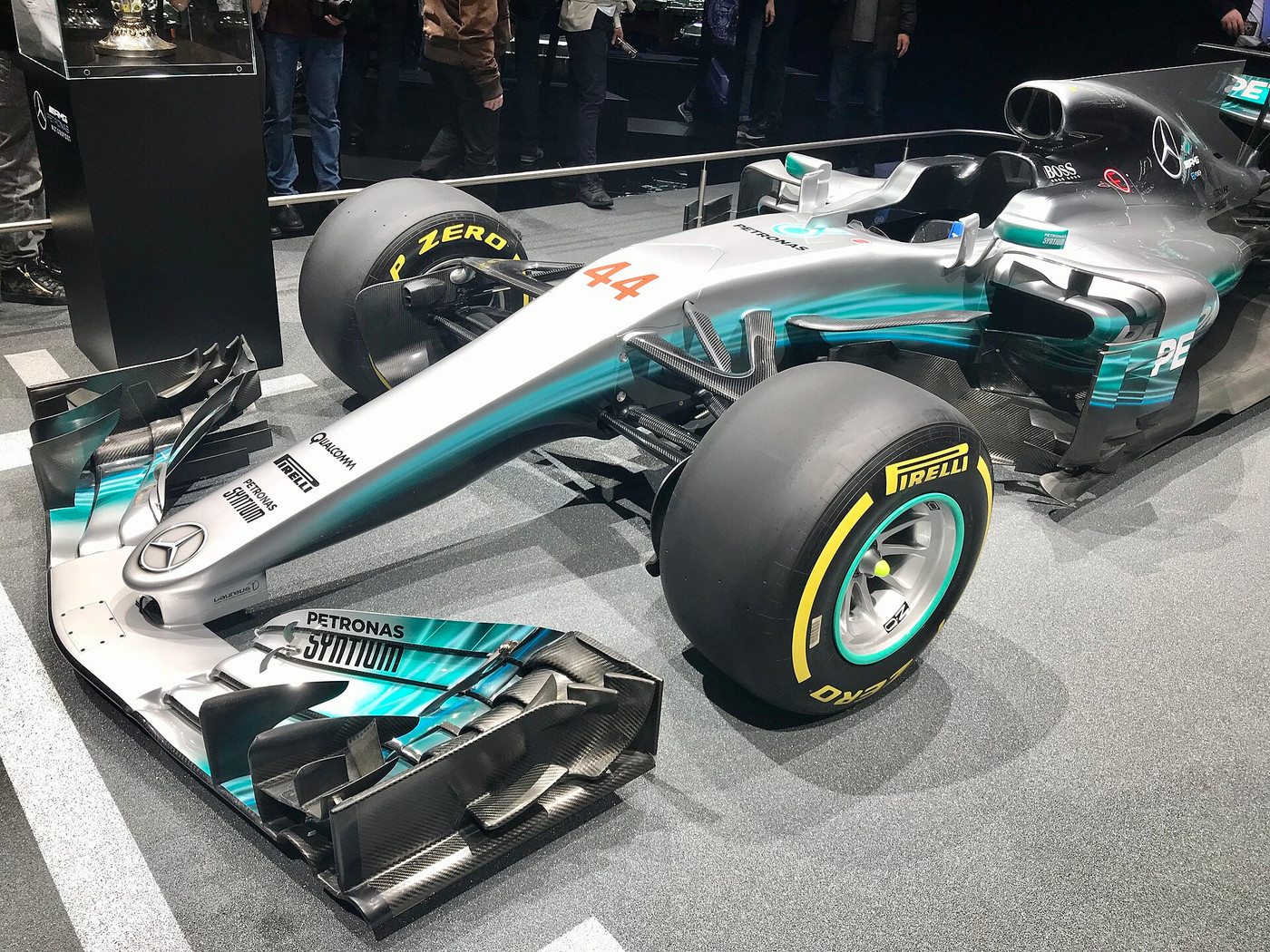
File photo: Ank kumar (CC BY-SA 4.0), via Wikimedia Commons
Lewis Hamilton on October 22, 2026, welcomed F1's 10-year deal to race in Rwanda and urged critics to approach the human rights debate with humility.
What Happened
Formula 1 driver Lewis Hamilton on Thursday, October 22, 2026, welcomed Formula 1's plan to return to Africa with a Grand Prix in Rwanda, and urged critics to approach the human rights debate around the host country "with humility". Hamilton acknowledged criticism from human rights groups but said many of the problems in the region are still results of colonialism and Western intervention. He also said he hopes to keep racing into the 2030s so he can take part in the African race. Formula 1 announced a 10-year deal with Rwanda on October 13.
Key Facts
- The deal: Formula 1 signed a 10-year agreement with Rwanda, announced in Kigali on October 13, 2026, to host the Formula 1 African Grand Prix.
- Timing: the first race is expected in the early 2030s, possibly as early as 2030, depending on when the new circuit is finished; no date has been set.
- Venue: a purpose-built track at Bugesera, about 40 km south of Kigali, next to a new international airport under construction.
- Announcement: President Paul Kagame announced the deal with Formula 1 chief executive Stefano Domenicali and FIA president Mohammed Ben Sulayem.
- History: Formula 1 last raced in Africa at Kyalami, South Africa, in 1993.
- Criticism: human rights groups accuse Rwanda of using sport to improve its image, often called "sportswashing", and the Democratic Republic of Congo has filed a case against Rwanda at the International Court of Justice.
- Hamilton said he hopes to race long enough to compete at the African Grand Prix.
Why It Matters
Formula 1 has not raced in Africa since 1993, and Hamilton has spoken of an African race as a long-held wish. For the sport, a race in Rwanda opens a new market and a new audience. For Rwanda, whose tourism brand will be the race's presenting name, it is a major bet on tourism and global visibility.
The criticism is serious. Human rights groups accuse Rwanda of using sport to improve its image, and the Democratic Republic of Congo has taken Rwanda to the International Court of Justice, accusing it of breaching several international treaties. A Congolese minister had earlier urged Formula 1 to drop Rwanda, and critics have asked the sport for independent guarantees that no money used to host the race comes from conflict-linked minerals. The public announcement did not say how the project will be financed.
Hamilton's position matters because he has often spoken about human rights in countries that host Formula 1. By backing the race while acknowledging the criticism, he has framed the debate around engagement rather than boycott, and pushed critics to consider the history behind Africa's problems.
For Indian fans, the plan is a reminder of how Formula 1 picks new hosts: countries willing to invest heavily in a purpose-built track and in hosting rights, often with direct government backing, as Rwanda is doing.
Impact
Short-term: The debate over Rwanda is likely to continue through the season as rights groups and DR Congo keep pressing Formula 1. Hamilton's comments will be widely quoted on both sides.
Long-term: If the race goes ahead, Formula 1 will have a regular African event for a decade, which could draw new fans and sponsors from the continent. It also sets a precedent for how the sport handles rights concerns in new host countries.
Who is affected: Formula 1 teams, drivers and fans; Rwanda's government and tourism industry; human rights groups; and the Democratic Republic of Congo, which opposes the deal.
Key Takeaway
Lewis Hamilton has backed Formula 1's 10-year deal for an African Grand Prix in Rwanda, urging humility in the rights debate as critics accuse the host of sportswashing.
Questions and Answers
What did Lewis Hamilton say about the Rwanda Grand Prix?
On October 22, 2026, Hamilton welcomed Formula 1's plan to race in Rwanda, acknowledged criticism from human rights groups, and urged people to approach the issue with humility, saying many of the region's problems stem from colonialism and Western intervention.
When will Formula 1 race in Rwanda?
Formula 1 has signed a 10-year deal with Rwanda, and the first African Grand Prix is expected in the early 2030s, possibly from 2030, once a new circuit near Kigali is completed. No date has been set.
Why is the Rwanda Grand Prix controversial?
Human rights groups accuse Rwanda of using sport to clean up its image, and the Democratic Republic of Congo, which has a case against Rwanda at the International Court of Justice, has urged Formula 1 not to race there.
When did Formula 1 last race in Africa?
Formula 1 last raced in Africa at Kyalami in South Africa in 1993.
Disclaimer: Prepared by the Peepals newsroom from publicly available sources with AI assistance. Information is accurate to the best of our knowledge at the time of publication and may change. Images may be representative. Not professional advice. Report an error via our contact page.
By Tanishq Bhatt, Entertainment WriterCovers Entertainment and more for Peepals Global. All stories by Tanishq Bhatt
Blue Planet 3 release date: November 1, with Attenborough narrating at 100
Jaishankar in Baku: India, Azerbaijan discuss transport corridors, energy and flights
Tanishq Bhatt is a pen name of the Peepals Global Editorial Team, which researches, fact-checks and publishes every story. The portrait is an illustration.