
Jaishankar in Baku: India, Azerbaijan discuss transport corridors, energy and flights
 By Rohan SalujaGeopolitics Editor, Peepals Global
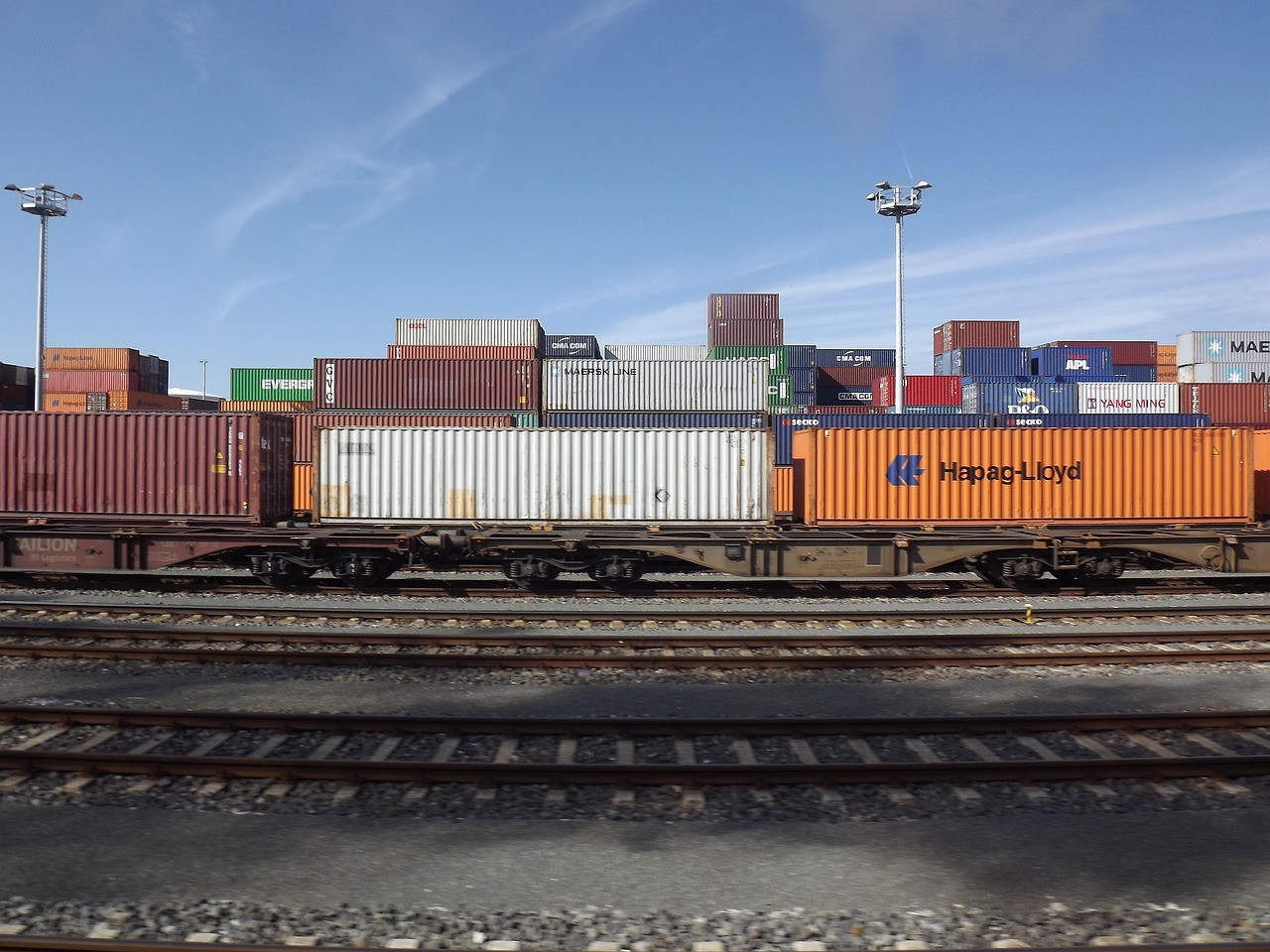
Representative image: fantasylife / Pixabay
External Affairs Minister S Jaishankar met Azerbaijan's President Aliyev and Foreign Minister Bayramov in Baku on October 23, 2026, on corridors, energy and flights.
What Happened
External Affairs Minister S Jaishankar held talks with Azerbaijan's Foreign Minister Jeyhun Bayramov in Baku on Friday, October 23, 2026, during a day-long visit, and also called on President Ilham Aliyev. According to both governments' accounts, the talks covered transport corridors linking Asia and Europe, cooperation in oil and energy, more direct flights between the two countries, and developments in the South Caucasus, West Asia and the Russia-Ukraine war. Jaishankar described the talks as "very productive". No signed agreements were announced.
Key Facts
- Date and place: October 23, 2026, in Baku, the capital of Azerbaijan; a day-long visit announced by India's Ministry of External Affairs.
- Meetings: talks with Foreign Minister Jeyhun Bayramov, including an expanded meeting of the two delegations, and a call on President Ilham Aliyev, to whom Jaishankar conveyed greetings from President Droupadi Murmu and Prime Minister Narendra Modi.
- Connectivity: according to Azerbaijan's foreign ministry, the ministers discussed Azerbaijan's East-West and North-South transport corridors, the Baku-Tbilisi-Kars railway, the Port of Baku and the Alat Free Economic Zone.
- Energy: Jaishankar said the two sides agreed to deepen cooperation in oil and energy and to widen it to other areas.
- Air links: the two sides discussed increasing the number of flights between India and Azerbaijan.
- Regional issues: Bayramov said he briefed Jaishankar on the Azerbaijan-Armenia normalisation process and the steps Baku expects from Armenia.
- Multilateral bodies: the ministers discussed cooperation at the United Nations, the Conference on Interaction and Confidence-Building Measures in Asia (CICA) and the Shanghai Cooperation Organisation (SCO).
Why It Matters
Azerbaijan sits at a crossroads. To its north is Russia, to its south Iran, to its west Georgia and Turkey, and to its east the Caspian Sea, across which lie Central Asia and China. That makes it a key stop on several trade routes India cares about.
The most important for India is the International North–South Transport Corridor, a route that links Indian ports such as Mumbai with Iran, then runs north through the Caspian region to Russia and Europe. One branch passes through Azerbaijan. With shipping through the Strait of Hormuz disrupted by the conflict in West Asia this year, land and rail alternatives have gained importance for Indian traders. Talking about the Port of Baku, the Baku-Tbilisi-Kars railway to Turkey and a free economic zone at Alat signals that India is looking at Azerbaijan as a transit and logistics partner, not only as a source of oil.
Energy is the other strand. Azerbaijan is an oil and gas producer, and India, which imports most of its crude, has been trying to spread its purchases across more suppliers. Jaishankar's statement that both sides want to deepen energy cooperation and extend it to other sectors fits that aim.
The South Caucasus discussion also matters. Azerbaijan and Armenia are working through a normalisation process after decades of conflict. India also has relations with Armenia, so a direct briefing from Baku on how it sees the peace process gives New Delhi a fuller picture of a region where it has interests on both sides.
Impact
Short-term: The visit opens the way for officials to work on specific steps, such as more flights and possible energy deals. Any concrete outcome would likely come through follow-up meetings rather than this one-day trip.
Long-term: If India uses Azerbaijan's ports, railways and free zone as part of the North-South route, Indian exporters could gain a faster and cheaper path to Russia, the Caucasus and parts of Europe. Closer ties would also give India another partner in the SCO and CICA, regional groups where Azerbaijan is active.
Who is affected: Indian exporters and logistics firms looking for routes to Europe and Russia; Indian energy companies seeking new suppliers; travellers and tourists, if more flights are added; and Indian diplomacy in a region where Russia, Turkey and Iran all compete for influence.
Key Takeaway
Jaishankar's October 23 talks in Baku put transport corridors, energy and air links at the centre of India-Azerbaijan relations, as India looks for new trade routes and suppliers while West Asia remains unsettled.
Questions and Answers
Why did Jaishankar visit Azerbaijan?
Jaishankar made a day-long visit to Baku on October 23, 2026, to review relations with Azerbaijan. He held talks with Foreign Minister Jeyhun Bayramov and called on President Ilham Aliyev.
What did India and Azerbaijan discuss?
The two sides discussed transport corridors, including the North-South route, the Baku-Tbilisi-Kars railway and the Port of Baku, deeper oil and energy cooperation, more flights, and regional issues such as Azerbaijan-Armenia normalisation, West Asia and the Russia-Ukraine war.
Were any agreements signed during Jaishankar's Baku visit?
No signed agreements were announced. Jaishankar said the two sides agreed to deepen energy cooperation and called the talks "very productive".
What is the International North–South Transport Corridor?
It is a planned trade route linking India by sea to Iran and then by road and rail through the Caspian region to Russia and Europe. One branch passes through Azerbaijan, which is why Baku matters to India.
Disclaimer: Prepared by the Peepals newsroom from publicly available sources with AI assistance. Information is accurate to the best of our knowledge at the time of publication and may change. Images may be representative. Not professional advice. Report an error via our contact page.
By Rohan Saluja, Geopolitics EditorCovers Geopolitics and more for Peepals Global. All stories by Rohan Saluja
Hamilton backs F1's Rwanda Grand Prix, urges 'humility' over rights criticism
Peak XV leads $30 million seed in robot-data start-up Maxinsights
Rohan Saluja is a pen name of the Peepals Global Editorial Team, which researches, fact-checks and publishes every story. The portrait is an illustration.