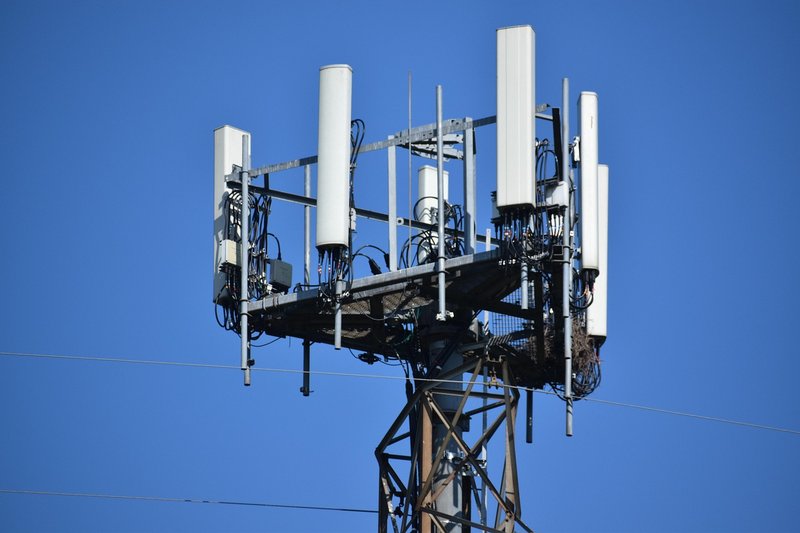

Seattle's Kapta Space raises $24 million to scale radar for tracking from orbit
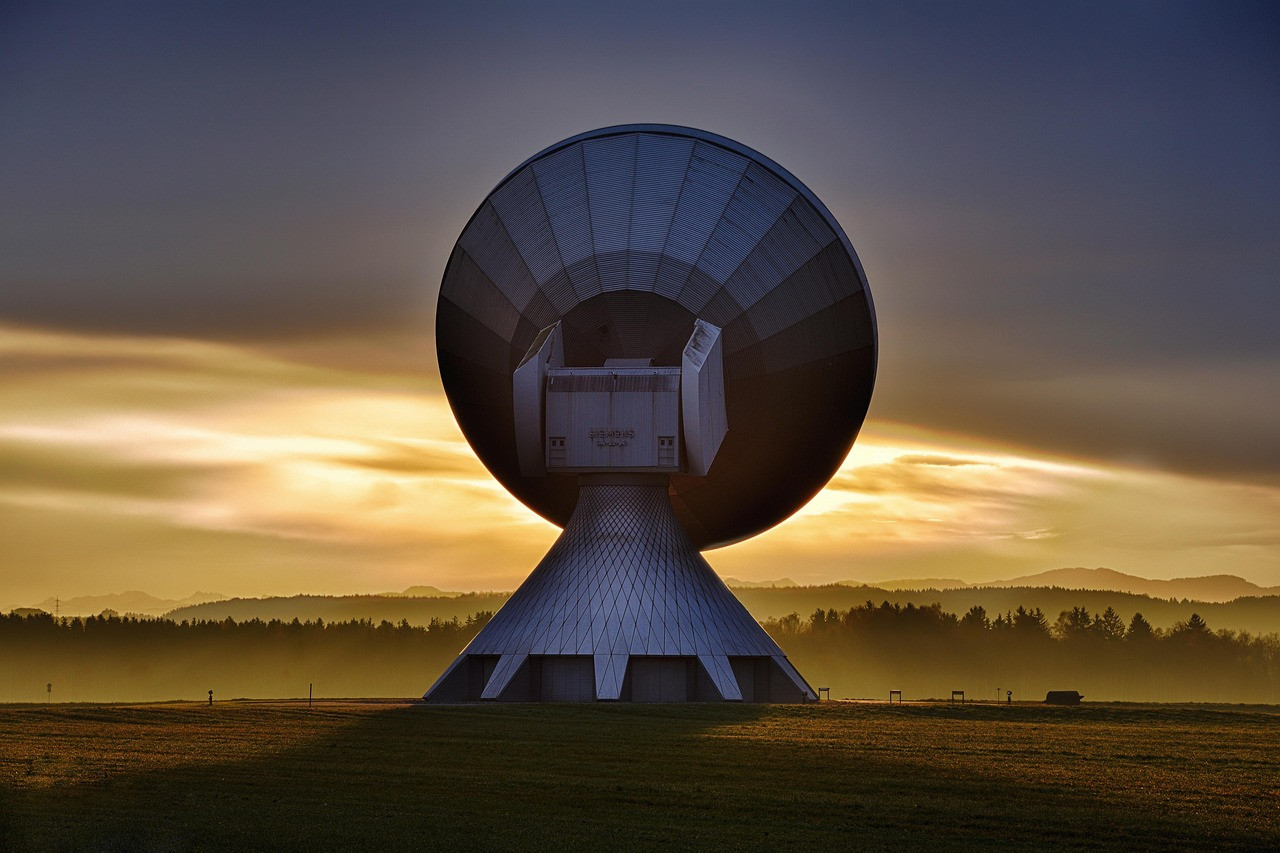
Representative image: mmisof / Pixabay
Kapta Space raised $24 million in a Series A led by Washington Harbour Partners on 9 October 2026 to scale satellite radar for classified tracking contracts.
What Happened
Kapta Space, a Seattle start-up that builds radar instruments for satellites, has raised 24 million dollars in a Series A funding round, the company announced on Friday, 9 October 2026. The round was led by Washington Harbour Partners and co-led by Bison Ventures, with participation from MetaVC Partners, an existing investor backed by Bill Gates and Nathan Myhrvold, as well as MYDA Capital, Entrada Ventures, Aurelia Foundry and Fitz Gate Ventures. The raise takes Kapta's total funding to about 30 million dollars. The company said the money will mainly be used to scale up production for classified contracts to track moving targets from space.
Key Facts
- Kapta Space raised 24 million dollars in a Series A round announced on 9 October 2026.
- Washington Harbour Partners led the round; Bison Ventures co-led it.
- MetaVC Partners, backed by Bill Gates and Nathan Myhrvold, took part again after leading Kapta's earlier seed round of about 5 million dollars.
- Total funding now stands at about 30 million dollars.
- The company builds electronically steerable radar payloads using a metamaterial-based scanned-array design, which it says cuts cost, power use and manufacturing complexity.
- It has won classified moving-target-indication contracts but has not named the customers or disclosed contract values.
- Chief executive Milton Perque said the company is working on two demonstration missions and expects to gain flight experience within 24 to 36 months.
Why It Matters
Radar satellites can see through cloud and darkness, which makes them valuable for watching ships, vehicles and aircraft at any hour. Moving target indication, the specific job Kapta is building for, means spotting and following objects that are in motion rather than taking still images. That capability has traditionally needed large, expensive spacecraft owned by governments. Start-ups like Kapta are betting that cheaper, smaller and more easily produced payloads can bring it to fleets of commercial satellites.
The investor mix shows where the money in space technology is going. Defence-focused funds such as Washington Harbour Partners are backing companies that sell to military and intelligence buyers, where demand for persistent tracking from orbit has risen. A Gates-backed fund returning for a second round adds a signal of confidence in the underlying metamaterial technology, which uses engineered structures to steer radio beams electronically instead of with moving parts.
There is still a long way to go. Kapta has not yet flown its radar in orbit, and its own timeline puts flight experience two to three years away. Outsiders have no independent data yet on how well the system performs, and the classified nature of its contracts means few details are public.
For Indian founders and investors, the deal shows how a narrow, hard-technology product tied to a clear government customer can attract serious capital even at an early stage. It also suggests that defence and security buyers are a practical first market for space-hardware start-ups that need early, reliable revenue.
| Item | Detail |
|---|---|
| Amount raised | 24 million dollars (Series A) |
| Lead investors | Washington Harbour Partners; Bison Ventures (co-lead) |
| Total funding | About 30 million dollars |
| Product | Steerable radar payloads for satellites |
| First flight experience | Expected in 24 to 36 months |
Impact
Short-term: Kapta will expand manufacturing, qualify its hardware for spaceflight and prepare demonstration missions while delivering on classified contracts.
Long-term: If its radar works in orbit at the promised cost, it could help make round-the-clock tracking from space cheaper and more widely available, raising competition among satellite radar makers and adding to debates over surveillance from orbit.
Who is affected: Defence and intelligence agencies, satellite operators, space-technology investors, rival radar makers, and founders in India and elsewhere building earth-observation businesses.
Key Takeaway
Seattle-based Kapta Space raised 24 million dollars on 9 October 2026 to scale satellite radar for tracking moving targets, though its technology has yet to fly in orbit.
Questions and Answers
What does Kapta Space make?
It builds electronically steerable radar payloads for satellites, designed to detect and track moving targets such as vehicles and ships from orbit using a lower-cost metamaterial design.
Who invested in Kapta Space's Series A?
Washington Harbour Partners led the 24 million dollar round and Bison Ventures co-led it. MetaVC Partners, MYDA Capital, Entrada Ventures, Aurelia Foundry and Fitz Gate Ventures also took part.
Has Kapta's radar been tested in space?
Not yet. Chief executive Milton Perque said the company is working on two demonstration missions and expects to gain flight experience within 24 to 36 months.
Who are its customers?
Kapta says it has won classified moving-target-indication contracts but has not named the buyers or disclosed the contract values.
Disclaimer: Prepared by the Peepals newsroom from publicly available sources with AI assistance. Information is accurate to the best of our knowledge at the time of publication and may change. Images may be representative. Not professional advice. Report an error via our contact page.
Sourced and fact-checked by the Peepals Global Editorial Team
Canada sends 300-member trade mission to India, its largest in over 30 years
Sinner ends 2026 season with knee inflammation, will miss ATP Finals in Turin
Reported, fact-checked and published by the Peepals Global Editorial Team.