
London's Scarlet raises $50 million to speed approval of AI medical devices
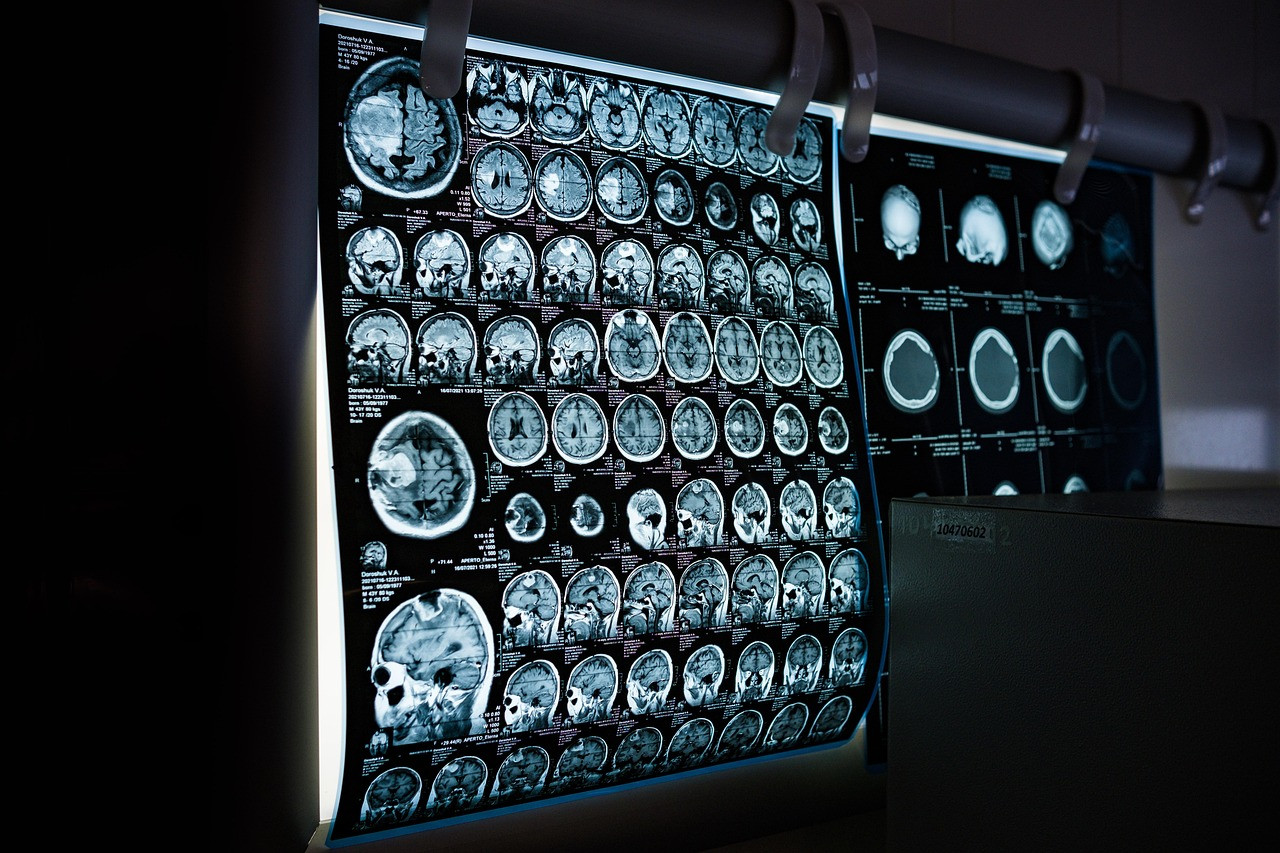
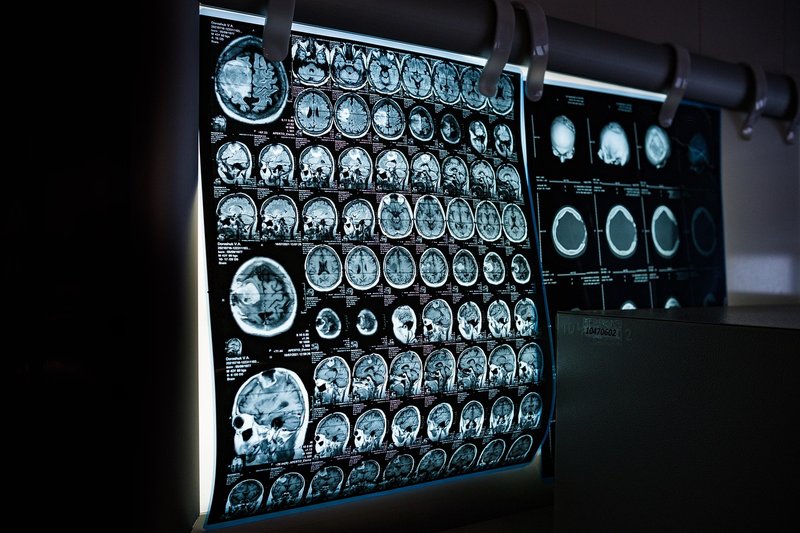
Representative image: Mitrey / Pixabay
Scarlet, a London certifier of AI and software medical devices, raised a $50 million Series B led by Headline on 12 October 2026 to expand into the US and Asia-Pacific.
What Happened
Scarlet, a London company that certifies software and artificial intelligence products used as medical devices, announced on Monday, 12 October 2026, that it has raised 50 million US dollars in a Series B funding round. The investment firm Headline led the round. Notion Capital came in as a new backer, and earlier investors Atomico, Creandum, Kindred Capital and Entrepreneurs First also put in money. The company said the funds will pay for expansion into the United States and the Asia-Pacific region, for more expert reviewers and engineers, and for a wider range of certification services. It did not disclose a valuation.
Key Facts
- Round size: 50 million US dollars, Series B, announced 12 October 2026.
- Lead investor: Headline; new investor: Notion Capital.
- Returning investors: Atomico, Creandum, Kindred Capital and Entrepreneurs First.
- Founders: James Dewar and Jamie Cox, who built AI medical devices at Babylon Health before starting Scarlet in London.
- Regulatory standing: Scarlet holds designations in the EU, from the UK's MHRA and from the US FDA, where it is recognised as a Third Party Review Organisation.
- Company claim: it describes itself as the only EU designated body that specialises in software and AI.
- Customers named in one report include Flo Health, DeepHealth, NHS England, Skin Analytics, Heidi and Tandem Health.
- Valuation: not disclosed.
Why It Matters
Most start-up funding stories are about a new product. This one is about the plumbing that decides when products may reach patients. Before an AI tool that reads scans, flags skin conditions or drafts clinical notes can be sold as a medical device in Europe, an independent body must check it against the rules. In the EU these checkers are called notified bodies, and there are only a few dozen of them, most built around hardware such as implants and instruments rather than software.
That mismatch has become a bottleneck. According to the material describing the round, a team can train an AI diagnostic model in a few weeks, yet the assessment can take 12 to 18 months, and even a minor update can add six to eight months more. For a young company, a year or more of waiting means a year or more of spending with little revenue. Scarlet's pitch to investors is that a reviewer built only for software can move through that queue faster and handle the frequent updates AI products need.
The round also shows where investors now see value in health AI. Instead of backing yet another diagnostic app, they are funding a firm whose business grows with every app that needs approval. Scarlet's planned push into the US and Asia-Pacific suggests it expects demand from developers outside Europe who want access to European and American markets.
For Indian founders, the story carries a practical lesson. Indian health-tech companies building AI for radiology, pathology, dermatology or clinical documentation increasingly aim at buyers in Europe, the UK and the US. Each of those markets has its own approval route, and the time and cost of certification often decide whether a start-up can sell abroad at all. A specialist reviewer active in all three, and now expanding into Asia-Pacific, is one more route to those markets for Indian teams to weigh as they plan launches. It also shows Indian investors that regulatory services, not only clinical products, can be a fundable business.
| Detail | Figure or name |
|---|---|
| Amount raised | 50 million US dollars (Series B) |
| Lead investor | Headline |
| New investor | Notion Capital |
| Expansion targets | United States and Asia-Pacific |
| Typical AI device assessment cited | 12 to 18 months |
Impact
Short-term: Scarlet will hire more reviewers and engineers and open work in new regions, which could add review capacity for AI medical software makers that are waiting in line for certification.
Long-term: If specialist software certifiers prove they can shorten approval times without lowering safety standards, AI medical tools could reach hospitals and patients sooner, and regulators may lean more on such bodies to keep up with fast-changing software.
Who is affected: Developers of AI and software medical devices, including Indian health-tech start-ups selling abroad; hospitals and health systems buying AI tools; venture investors in health technology; and regulators in the EU, UK and US.
Key Takeaway
Scarlet's 50 million dollar raise shows investors betting that faster, software-focused approval of AI medical devices is itself a growth business, and it widens the path to Western markets for health-tech founders everywhere, including India.
Questions and Answers
What does Scarlet do?
Scarlet is a London-based certification body that assesses software and AI medical devices against regulatory requirements, so that makers can legally sell them. It holds designations in the EU, from the UK's MHRA and from the US FDA as a Third Party Review Organisation.
How much did Scarlet raise and who invested?
It announced a 50 million US dollar Series B on 12 October 2026, led by Headline, with Notion Capital as a new investor and Atomico, Creandum, Kindred Capital and Entrepreneurs First returning.
Why is certifying AI medical devices slow?
Few certifying bodies specialise in software, and the material describing the round says an AI diagnostic model can take 12 to 18 months to be assessed, with minor updates adding six to eight months, even though the model itself may be trained in weeks.
Why should Indian health-tech founders pay attention?
Many Indian AI health start-ups want to sell in Europe, the UK and the US, where certification is required. A specialist reviewer that operates in those markets and is expanding into Asia-Pacific may offer them another route to approval.
Disclaimer: Prepared by the Peepals newsroom from publicly available sources with AI assistance. Information is accurate to the best of our knowledge at the time of publication and may change. Images may be representative. Not professional advice. Report an error via our contact page.
Sourced and fact-checked by the Peepals Global Editorial Team
Reported, fact-checked and published by the Peepals Global Editorial Team.