

Trump strikes diesel deal with Putin in reversal of US pressure on Russian energy
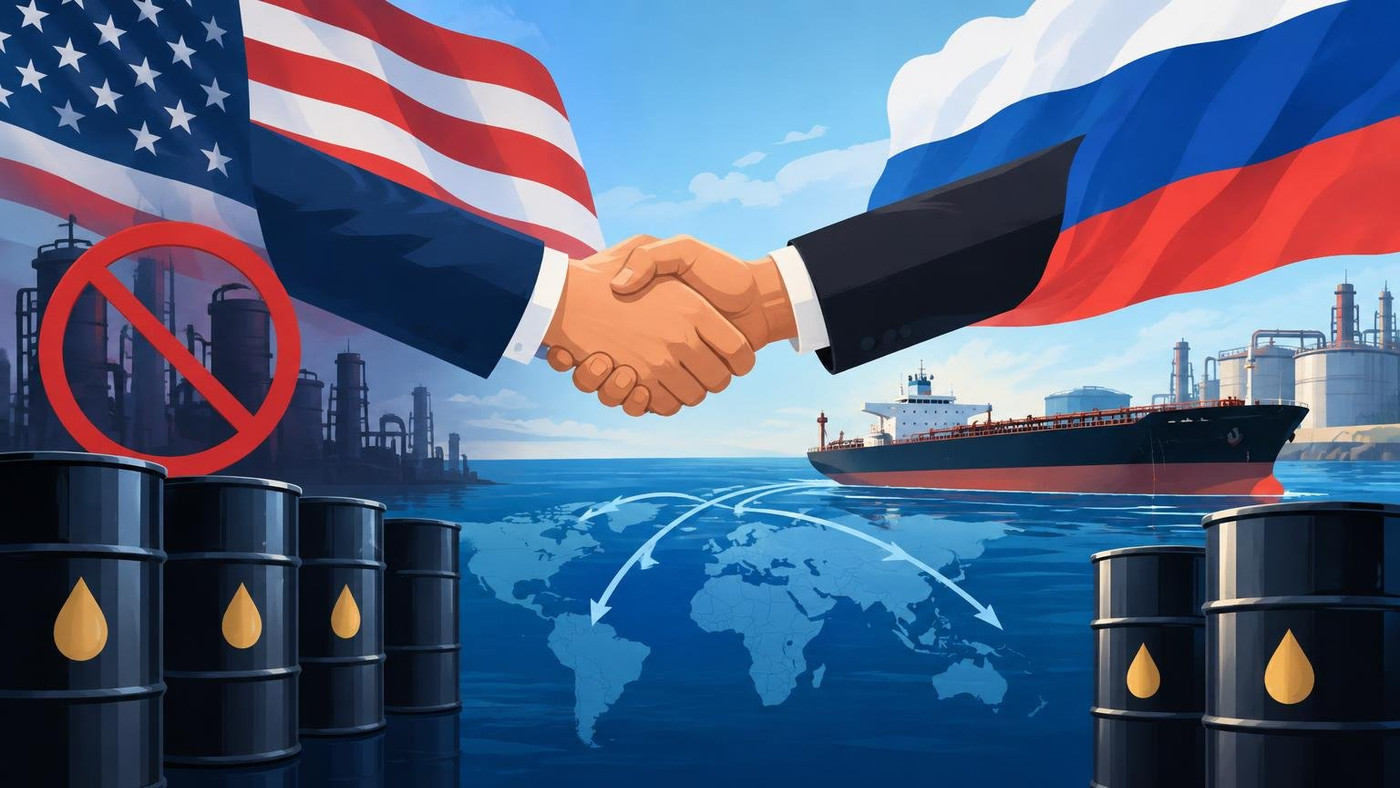
AI-generated illustration
Advertisement
Trump said on October 9, 2026 Russia will supply diesel to the US and world markets after a call with Putin, reversing US efforts to curb Russian energy sales.
What Happened
US President Donald Trump said on Friday, October 9, 2026, that Russia will supply diesel to the United States and global markets after a phone call with President Vladimir Putin, a sharp shift in Washington's approach to Russian energy. Trump said Russia would immediately supply more than 300,000 tons of diesel, followed by another 500,000 tons in November and 1 million tons after that. The Kremlin said the two leaders spent about an hour and a half in what Putin's aide Yuri Ushakov called a substantive, friendly conversation, giving significant attention to the prospects of resolving the Ukraine crisis and also discussing the situation around Iran and bilateral relations. The US Treasury issued a temporary general licence allowing imports of Russian diesel through April 2027, according to reports.
Key Facts
- Trump announced the diesel arrangement on October 9, 2026, after a call with Putin.
- Stated volumes: more than 300,000 tons immediately, 500,000 tons in November, then 1 million tons.
- Further deliveries may depend partly on the condition of Russia's refineries, according to one report.
- The Kremlin said the call lasted about 90 minutes and covered Ukraine, Iran and bilateral ties.
- The US Treasury issued a temporary general licence for Russian diesel imports through April 2027, reports said.
- The White House did not immediately say who would pay for the diesel or when it would arrive.
- Senate Democratic leader Chuck Schumer and Senators Jeanne Shaheen and Elizabeth Warren called the move a betrayal of Ukraine, European allies and US national security; Ukraine also criticised the deal.
Why It Matters
Since Russia's full-scale invasion of Ukraine, the US and its allies have tried to cut Moscow's energy earnings through sanctions. Buying Russian diesel, and licensing its import, runs against that policy. Reports link the timing to fuel prices in the US weeks before the November midterm elections. Diesel moves freight, farm machinery and much of the economy, so a price spike hits voters directly. With the war involving Iran keeping oil near $100 a barrel and disrupting supply routes, the White House appears to be putting fuel prices ahead of pressure on Moscow.
For Ukraine and Europe, the deal is a worrying signal. It suggests Washington is willing to give Russia economic relief while peace talks remain unresolved. European governments that have cut their own purchases of Russian fuel may find their efforts undercut, and Ukraine fears that Moscow will read the move as a reward.
For India, the shift matters in two ways. India buys Russian oil, and a US decision to buy Russian diesel itself weakens the case for penalising other countries for trading in Russian energy, which could ease pressure on Indian refiners and importers. At the same time, any extra Russian diesel flowing to the US and global markets could help cool fuel prices worldwide, which would be welcome for an oil-importing country facing a weak rupee and rising inflation.
Many details are still missing, including who pays, how the fuel will be shipped and whether the volumes are realistic given the state of Russia's refineries. Those answers will decide whether the deal makes any real difference to prices.
| Item | Detail |
|---|---|
| Announced | October 9, 2026, by President Trump |
| Immediate supply | More than 300,000 tons of diesel |
| November | 500,000 tons |
| After that | 1 million tons |
| US licence | Temporary general licence through April 2027 (reported) |
Impact
Short-term: Diesel markets will watch for the first cargoes, while US lawmakers and European allies push back on the policy reversal.
Long-term: If it lasts, the deal could loosen the Western sanctions regime on Russian energy and change the bargaining around a Ukraine settlement.
Who is affected: US consumers and businesses that rely on diesel, Russia's energy sector, Ukraine and its European backers, and fuel-importing countries including India.
Key Takeaway
Trump's October 9, 2026 deal for Russian diesel, backed by a temporary US licence, reverses Washington's push to curb Russian energy sales and could ease pressure on buyers such as India.
Questions and Answers
What did Trump agree with Putin on October 9, 2026?
Trump said Russia will supply more than 300,000 tons of diesel immediately, 500,000 tons in November and 1 million tons after that, to the US and global markets.
What did the Kremlin say about the call?
The Kremlin said the roughly 90-minute call focused on prospects for resolving the Ukraine crisis and also covered Iran and bilateral relations.
Why is the deal controversial?
It reverses US efforts to cut Russia's energy income; Senate Democrats called it a betrayal of Ukraine and US allies, and Ukraine criticised it.
Does this affect India?
Indirectly. A US purchase of Russian fuel weakens the case for penalising others for similar trade, and extra diesel supply could ease global fuel prices for importers like India.
Sourced and fact-checked by the Peepals Global Editorial Team
Oxide raises $445 million at $6 billion valuation to build cloud firms can own
Sabi raises $50 million seed, led by Khosla, for brain-to-AI interface in a cap
Reported, fact-checked and published by the Peepals Global Editorial Team.
Advertisement