
Tiruchendur temple bars praise of individuals after 'Arohara' chant row
 By Ishita SenCulture & Heritage Editor, Peepals Sanskriti
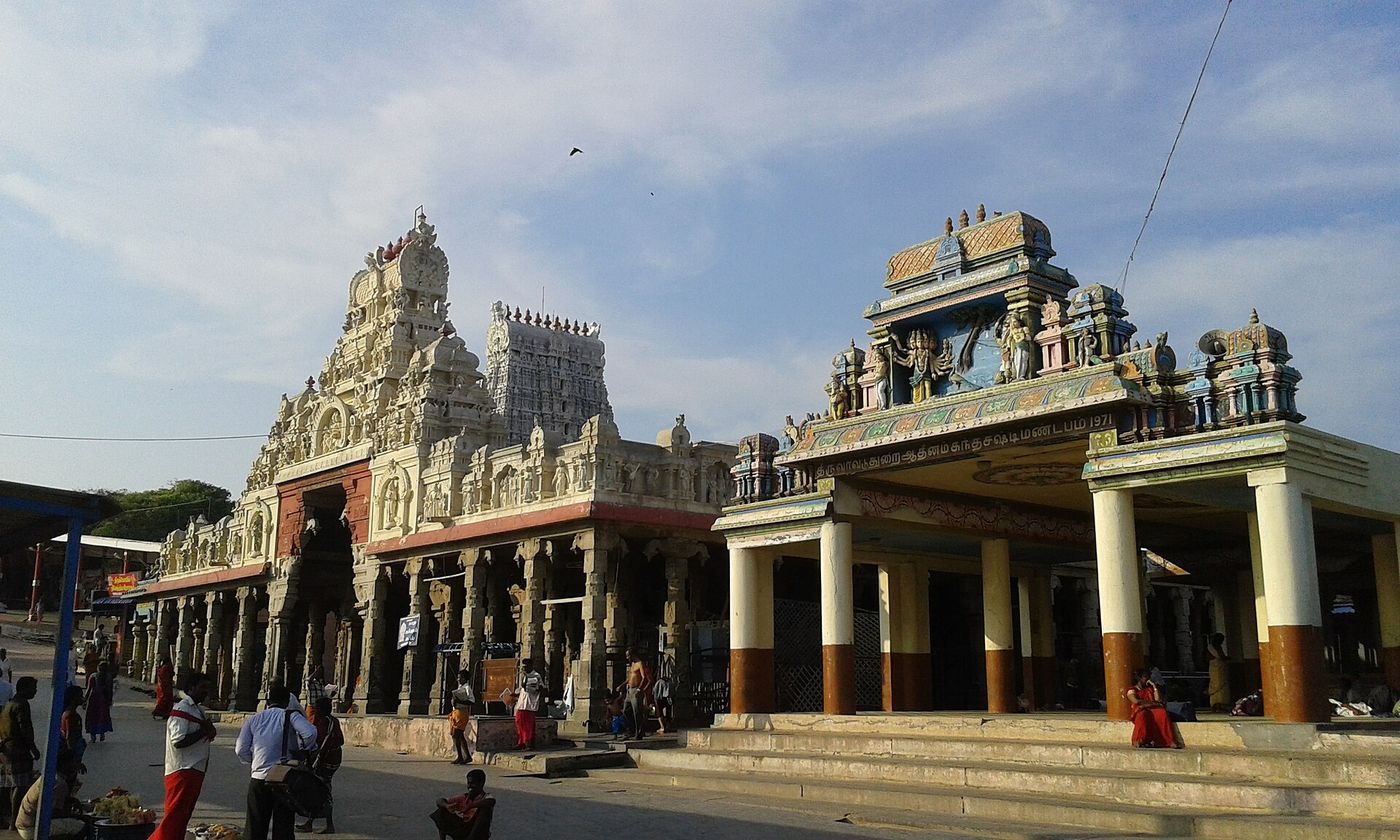
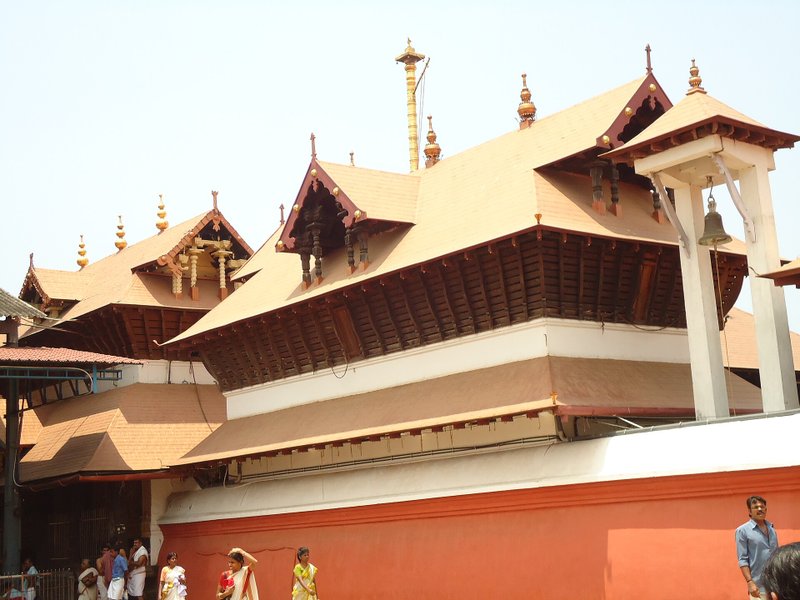
File photo: Ssriram mt (CC BY-SA 4.0), via Wikimedia Commons
Tiruchendur's Murugan temple told artistes not to praise individuals at its programmes after singers chanted 'Arohara' for the Chief Minister on 15 November.
Tiruchendur temple: what happened
The Subramaniya Swamy Temple at Tiruchendur in Tamil Nadu has directed artistes who perform at its religious programmes not to praise any individual during those events, according to the temple's instruction reported on Saturday, 21 November 2026. The order follows a row over a devotional music programme during the Soorasamharam on Sunday, 15 November, the high point of the Kanda Sashti festival, when singers extended the traditional chant to Lord Murugan, "Vetrivel Muruganukku Arohara", to wish long life to Chief Minister Vijay and a state minister, Ramesh.
Tiruchendur temple: key facts
- Temple: Subramaniya Swamy Temple, Tiruchendur, a temple of Lord Murugan.
- Instruction: artistes at the temple's religious programmes must not praise individuals; it covers devotional concerts and other spiritual programmes organised by the temple.
- Trigger: during the Soorasamharam programme on 15 November 2026, singers Pushpavanam Kuppusamy and Velmurugan called out wishes for the Chief Minister and the minister.
- Temple's view: the temple administration said the episode had harmed the shrine's reputation.
- Reaction: several political parties and Hindu organisations criticised the slogans; the Hindu Munnani sought action and a complaint was lodged with the police.
- Singers' response: both singers later expressed regret and gave explanations for their remarks.
- Spelling: the chant appears as both "Arohara" and "Arogara" in reports.
Tiruchendur temple: why it matters
"Arohara" is a call of devotion to Murugan, raised by devotees at his temples, especially during festivals such as Kanda Sashti. The Soorasamharam is the central ritual of Kanda Sashti at Tiruchendur, watched by devotees who gather for the festival each year. For many devotees, attaching the chant to living political leaders inside that ritual moment crossed a line between worship and public life.
The temple's response is a general rule rather than a punishment aimed at any party or person. By barring praise of all individuals at its programmes, the administration has set a standard that applies whatever the political colour of the government of the day. The instruction draws a clearer boundary for artistes invited to perform at the temple.
The episode has also become part of the state's political debate, with opposition parties and Hindu organisations criticising the chant. The singers' expressions of regret and the temple's new instruction are the formal responses so far. No statement from the Chief Minister or the minister on the chant appeared in the coverage, and no outcome of the police complaint had been made public. For the singers, the episode is a reminder that a programme inside a temple is treated as worship, not as a stage performance.
Peepals timeline: On 15 November 2026, at the Soorasamharam programme of the Kanda Sashti festival in Tiruchendur, singers extended the "Arohara" chant to wish long life to Chief Minister Vijay and minister Ramesh. In the following days political parties and Hindu organisations objected, the Hindu Munnani sought action, and a police complaint was filed. The singers expressed regret. On 21 November the temple's instruction barring praise of individuals at its religious programmes was reported.
| Date | Development |
|---|---|
| 15 November 2026 | Chant extended to CM and minister at Soorasamharam programme |
| Following days | Objections, Hindu Munnani demand, police complaint |
| After the row | Singers express regret |
| 21 November 2026 | Temple bars praise of individuals at its programmes |
Tiruchendur temple: impact
Short-term: Artistes booked for programmes at the Tiruchendur temple must keep their performances to devotional content, without tributes to any individual.
Long-term: The instruction may serve as a model for other temples in the state when they invite performers, keeping political praise out of religious events.
Who is affected: Devotional singers and artistes, the temple administration, devotees who attend Tiruchendur's festivals, and political parties whose leaders might otherwise be praised at such events.
Tiruchendur temple: key takeaway
Performers invited to temple programmes in Tamil Nadu should expect organisers to insist on purely devotional content, following the Tiruchendur temple's instruction.
Tiruchendur temple: questions and answers
Why did the Tiruchendur temple bar slogans praising individuals?
After singers extended the "Arohara" chant to wish long life to Chief Minister Vijay and a minister during the Soorasamharam programme on 15 November 2026, the temple said its reputation had been harmed and directed artistes not to praise individuals at its religious programmes.
What is "Arohara"?
It is a devotional call to Lord Murugan raised by devotees at his temples, as in the chant "Vetrivel Muruganukku Arohara".
Did the singers apologise?
Yes. Both singers, Pushpavanam Kuppusamy and Velmurugan, later expressed regret and gave explanations for their remarks.
Does the rule apply only to political leaders?
No. The instruction covers praise of any individual at the temple's devotional concerts and other spiritual programmes.
Disclaimer: Prepared by the Peepals newsroom from publicly available sources with AI assistance. Information is accurate to the best of our knowledge at the time of publication and may change. Images may be representative. Not professional advice. Report an error via our contact page.
By Ishita Sen, Culture & Heritage EditorCovers Culture & Heritage and more for Peepals Sanskriti. All stories by Ishita Sen
CCRAS funds Rs 1.04 crore Ayurveda add-on trial for sickle cell pain
Jammu paneer seizure: FDA takes 850 kg kept without cooling
Your week ahead, every Sunday. Free.
Exam and result dates, IPOs opening, scheme deadlines, government holidays and the RBI decision for the next 7 days, plus the week's top stories. One email a week, unsubscribe in one click.
Ishita Sen is a pen name of the Peepals Global Editorial Team, which researches, fact-checks and publishes every story. The portrait is an illustration.
Responsible for this story: the Peepals Global Editorial Team. How we report