
WEF Gender Gap Report 2026: Women's Leadership Parity Now 90 Years Away
 By Priya NairLeadership & Growth Editor, Peepals Shakti
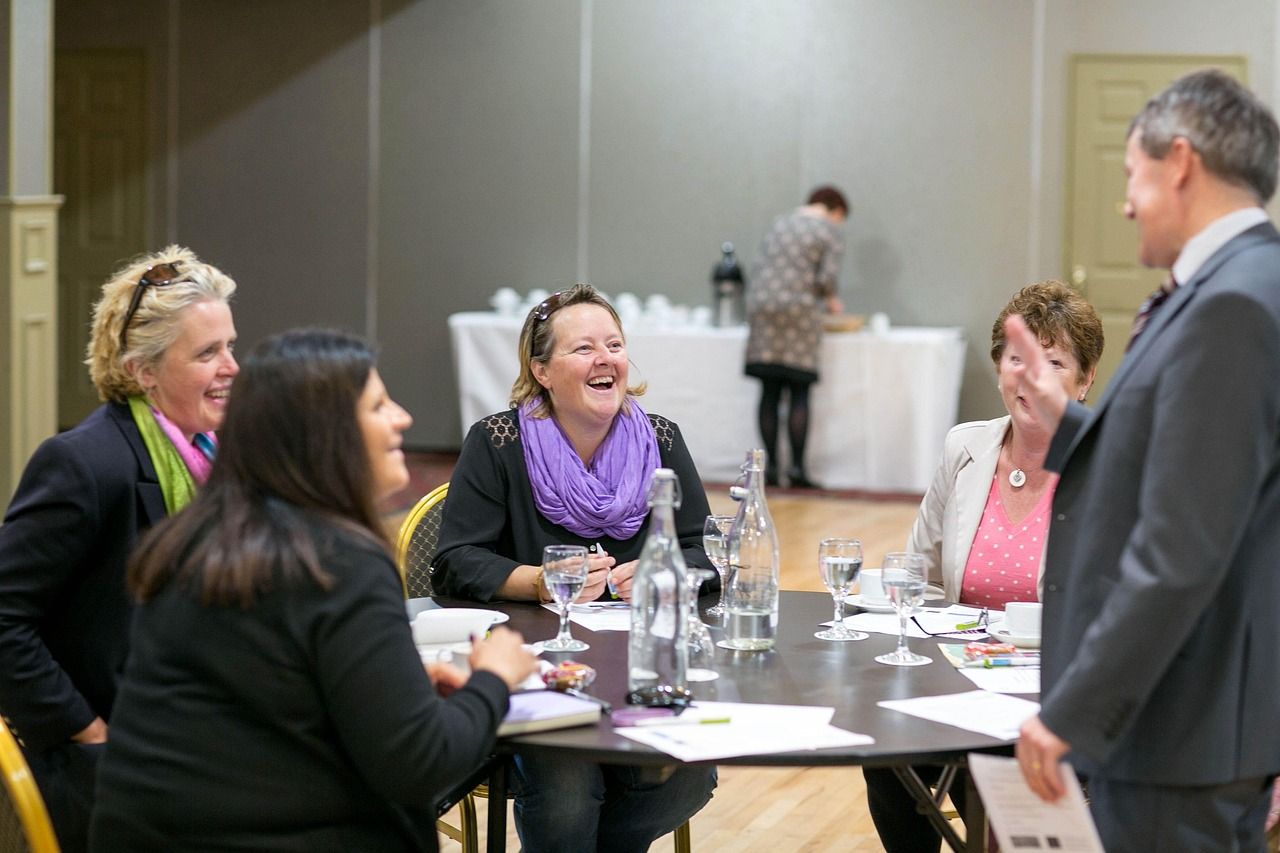
Representative image: shanegaughan / Pixabay
The World Economic Forum's Global Gender Gap Report 2026, released on 16 September 2026, says leadership parity is about 90 years away and places India 131st of 145 economies.
Global Gender Gap Report 2026: what happened
The World Economic Forum (WEF) published its Global Gender Gap Report 2026 in Geneva on 16 September 2026, the 20th edition of the index. The report says progress towards gender parity in leadership has stalled for a fourth consecutive year, with equal leadership representation about 90 years away at the current pace. India retained 131st place among 145 economies with a parity score of 64.5 per cent. Globally, 69.2 per cent of the gender gap is closed, and full parity is 120 years away.
Global Gender Gap Report 2026: key facts
- Equal leadership representation is about 90 years away at the current pace, based on LinkedIn Economic Graph data used in the report.
- Globally, 69.2 per cent of the gender gap has been closed, up 0.4 percentage points over the year. Full parity across all measures is 120 years away, the WEF estimates.
- Women hold 19.1% of chief executive officer roles. Only one in ten ministerial portfolios held by women is high influence, even though portfolios headed by women have risen 26% since 2008.
- Fewer than one in five AI engineers are women.
- India ranks 131st of 145 economies with 64.5 per cent parity, below the global average. Only 14 countries rank lower, including Pakistan, Iran and Chad, which is last.
- Iceland leads for the 17th consecutive year with about 93 per cent of its gap closed, followed by Finland and Norway. Namibia ranks fourth, its best placing since 2006.
- India scored 41.2 per cent on economic participation, 0.5 points above the previous edition but 3.5 points below its 2013 peak. Women are 13.1 per cent of legislators, senior officials and managers.
- Women are 46 per cent of entry-level workers but 23 per cent of C-suite executives in 2026. Women's share of top-level management has stalled below 30 per cent across 62 economies since 2024.
Global Gender Gap Report 2026: why it matters
The report marks 20 years since the WEF first measured the global gender gap. According to the WEF, nearly every economy tracked since 2006 has improved. Among the 97 economies in every edition, the gap has closed by 5.2 percentage points to 69.4 per cent, the highest level recorded. Saadia Zahidi, Managing Director of the WEF, said progress is possible but is neither automatic nor fast enough.
Sue Duke, Managing Director for EMEA and LATAM and Vice President, Global Public Policy at LinkedIn, writing on the WEF website, said leadership progress has stopped for a fourth year. In the five years to 2020 the gap was on track to close within 50 years. At the rate since, it is 90. She noted there are 3% more women in top jobs than 10 years ago.
LinkedIn data show where women drop out. Women's workforce presence rose from 39.9 per cent in 2015 to 41.8 per cent by June 2026. Their share of senior roles rose from 26.7 to 29.6 per cent. Senior individual contributors who take a full-time parenting break are 44% more likely to be promoted if they are men. Duke identified AI and entrepreneurship as areas of opportunity where women are behind.
The WEF also reports a reversal in politics. Political empowerment made the largest gains since 2006 but has reversed since 2016. The share of economies led by a woman peaked in 2022 and has fallen back to 2016 levels. For India, the head-of-state score was 40.7 per cent in 2026, down since 2021. Ministerial representation is 5.9 per cent, against 30 per cent in 2019.
India's score rose 4.3 percentage points since 2006, mostly through education. Southern Asia closed 64.5 per cent of its gap, placing seventh of eight regions, and is projected to need 149 years to reach parity.
| Country | Rank | Parity score |
|---|---|---|
| Bangladesh | 79 | 71.2% |
| India | 131 | 64.5% |
| Pakistan | 143 | 59.5% |
Global Gender Gap Report 2026: impact
Short-term: India's overall score rose by only 0.001 points from the previous edition. Its economic participation score rose 0.5 points to 41.2 per cent. The WEF said women are behind in AI and entrepreneurship, and Duke called for deliberate design: making the path to leadership visible, investing in skills and normalising non-linear careers. India sits second-lowest in South Asia, ahead of Pakistan and behind Bangladesh.
Long-term: The 90-year estimate, against a 50-year projection in the five years to 2020, signals that the pace of leadership progress has slowed. LinkedIn data show women's hiring into the workforce and senior leadership has stalled since 2022, with early signs of decline. The WEF warns earlier gains may not be sustained if trends continue. The report says the task for the next twenty years is to close gaps faster. For India, the shortfall lies in leadership and workforce participation rather than in education or health, where it scores much higher.
Who is affected: Indian employers, policymakers, and women in technology, entrepreneurship and senior management are the groups most affected. Women in leadership pipelines worldwide are also affected, especially in transport, construction and technology, where women's representation more than halves between entry level and the C-suite. In South Asia, India's 131st rank sits between Bangladesh at 79th and Pakistan at 143rd. The WEF says Pakistan's economic participation is its weakest area, while Bangladesh's new parliament has women in 2.4% of seats.
Global Gender Gap Report 2026: key takeaway
The WEF's 2026 data shows women reaching senior roles in greater numbers than in 2006, yet leadership parity is estimated at 90 years away and India's women hold 13.1 per cent of managerial posts.
Global Gender Gap Report 2026: questions and answers
How far away is women's leadership parity according to the WEF?
The World Economic Forum's Global Gender Gap Report 2026 says equal leadership representation is about 90 years away at the current pace, based on LinkedIn Economic Graph data. Progress has stalled for a fourth consecutive year.
Where does India rank in the Global Gender Gap Report 2026?
India ranks 131st among 145 economies with a parity score of 64.5 per cent, below the global average of 69.2 per cent. Only 14 countries rank lower, and Chad is last.
How much of the global gender gap has been closed?
The Global Gender Gap Report 2026 says 69.2 per cent of the global gender gap has been closed, up 0.4 percentage points over the year. Full parity across all measures is 120 years away.
What share of leadership roles do women hold globally?
The WEF said women hold 19.1% of chief executive officer roles and under one in ten chief technology officer roles. Women hold around two-thirds of chief human resources roles, and fewer than one in five AI engineers are women.
Disclaimer: Prepared by the Peepals newsroom from publicly available sources with AI assistance. Information is accurate to the best of our knowledge at the time of publication and may change. Images may be representative. Not professional advice. Report an error via our contact page.
By Priya Nair, Leadership & Growth EditorCovers Leadership & Growth and more for Peepals Shakti. All stories by Priya Nair
Your week ahead, every Sunday. Free.
Exam and result dates, IPOs opening, scheme deadlines, government holidays and the RBI decision for the next 7 days, plus the week's top stories. One email a week, unsubscribe in one click.
Priya Nair is a pen name of the Peepals Global Editorial Team, which researches, fact-checks and publishes every story. The portrait is an illustration.
Responsible for this story: the Peepals Global Editorial Team, led by editor Prashant Sonar. How we report