
India's Semiconductor ecosystem is expanding:How will it help women?
 By Priya NairLeadership & Growth Editor, Peepals Shakti
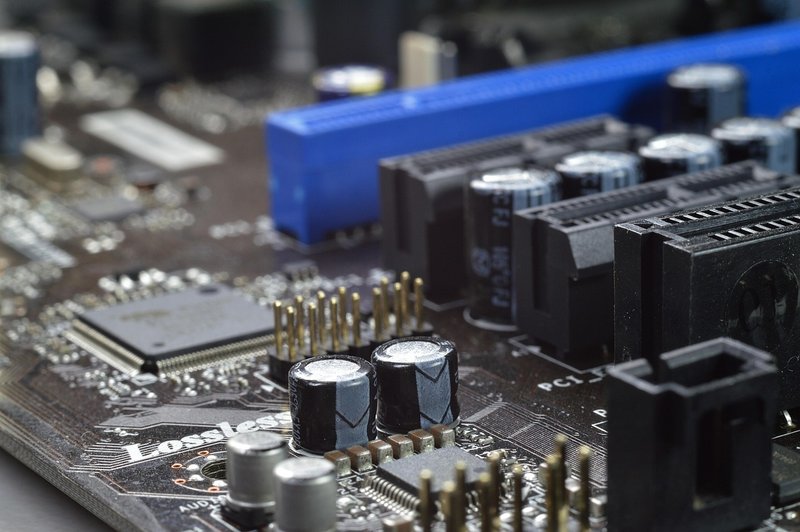
Representative image: Quanlecntt2004 / Pixabay
India's semiconductor push is opening skilled jobs for women, who make up about 25% of the chip design and engineering workforce; education, corporate commitment and follow-through after Semicon India 2026 will decide how fast that share grows.
Women: what happened
Women make up about 25 percent of India's roughly 2.2 lakh-strong chip design and engineering workforce, as the country expands its semiconductor ecosystem. Prime Minister Narendra Modi inaugurated the fifth edition of Semicon India 2026 on 17 September 2026 at Yashobhoomi in New Delhi. The three-day event, organised by the India Semiconductor Mission (ISM) and SEMI, ran until 19 September. It carried a dedicated Women Empowerment and Leadership track, with sessions on women in manufacturing, research and senior roles.
Women: key facts
- Women account for about 25 percent of India's roughly 2.2 lakh-strong chip design and engineering workforce, but hold only 5 to 7 percent of senior leadership positions across the industry.
- Semicon India 2026 ran from 17 to 19 September 2026 at Yashobhoomi, bringing together more than 600 companies from 52 countries, with six country roundtables and 10 state government pavilions.
- Modi said on 17 September that the second phase of the semiconductor mission targets $13.5 billion, against around $8 billion under the first phase.
- The government has approved 12 semiconductor manufacturing projects under the India Semiconductor Mission, with investment commitments of about Rs 1.64 lakh crore, as of July 2026. Three have started commercial production.
- India has trained about 70,000 chip design engineers in four years, against a target of 85,000, according to Electronics and IT Minister Ashwini Vaishnaw.
- The Women Empowerment Track included panels on Women in the Technical Ladder and R&D and Women in Manufacturing, plus a speed-mentoring programme giving participants direct access to senior women leaders.
- At CG Power's plant in Sanand, Gujarat, the operators working on semiconductor equipment and chip packaging are all women, trained in Malaysia, said ISM CEO Amitesh Kumar Sinha.
- The government has set a target of 15 percent of the global semiconductor market share by 2032, and companies report difficulty finding women candidates with the required qualifications.
Women: why it matters
India has moved from policy to production in about four years. Modi said at the inauguration that commercial production has begun. The government has approved 12 manufacturing projects worth about Rs 1.64 lakh crore, and Micron and Kaynes plants are producing. Each fab and packaging plant needs engineers, technicians and managers. Women are a large and still under-used part of that talent pool, so how the jobs are filled matters for growth as well as for fairness.
The gap is sharpest at the top. Panellists at Semicon India 2026 pointed to gender stereotyping and uneven feedback as hurdles. They stressed mentorship networks, flexible career paths and visible role models. Shradha Sharma, founder of YourStory, who moderated one panel, noted that earlier editions of the conference had been filled with men.
Senior women executives from Teradyne, Micron, Applied Materials, Renesas and Tata Electronics took the stage. They included Alpa Sood of Teradyne India, Usha Gogineni of Micron, Radhika Viswanathan of Applied Materials India and Malini Narayanamoorthi of Renesas India. According to Sinha, the track was created because the industry's numbers still fall short of its goals. He credited it to a deliberate choice to show women leaders on the main stage.
Factory floors show another route in. Sinha pointed to CG Power's Sanand plant, where women from Jharkhand, Madhya Pradesh, Bihar, Odisha and the North East run packaging operations after training abroad. Gujarat has four of the 12 approved projects, three of them in Sanand. Two more approved on 5 May 2026 in Dholera and Surat are expected to create about 2,230 skilled jobs. Where plants open, local hiring and training can widen women's access.
The pipeline starts earlier, in classrooms. The government gives 315 universities free access to chip design tools supplied by eight companies. Usage has passed 200 lakh hours, and 75 institutions have taped out 211 chips. Women remain underrepresented in electronics, computer engineering and manufacturing programmes, and girls are often steered away from mathematics and physics. Mentorship gaps, workplace culture and family expectations also push many women engineers out early. Closing those gaps is what turns a 25 percent share into a larger one.
Women: impact
Short-term: Semicon India 2026 closed on 19 September with 25 memoranda of understanding and announcements covering materials, manufacturing, packaging, logistics and workforce development. The women's track produced mentoring links and visibility for senior women leaders rather than a published hiring target. Companies and institutes now face the task of turning panel recommendations into measurable commitments, such as women's hiring goals, leadership programmes and partnerships with engineering colleges and polytechnics. Hiring for the new plants in Gujarat and other states is the first place such commitments will show.
Long-term: The second phase of the mission, Semicon 2.0, carries a Rs 1.275 lakh crore outlay. It covers design, machinery and materials, fabrication, packaging, research and workforce development, according to Vaishnaw. Meeting the 2032 market-share target will need far more than the 70,000 design engineers trained so far. Stronger STEM teaching in schools, scholarships, corporate training, retention policies and funding for women-led startups could raise women's share. Without them, persistent labour shortages could limit competitiveness.
Who is affected: Women students and engineers are the most directly affected, along with engineering colleges, polytechnics and universities that feed the talent pipeline. Semiconductor companies, from global chipmakers to Tata Electronics and CG Power, must recruit and retain staff at scale. Investors and government agencies such as the India Semiconductor Mission and the Ministry of Electronics and Information Technology shape incentives. Geographically, Gujarat, Karnataka and Tamil Nadu, along with Assam and Rajasthan, host the largest expansion projects, and women from eastern and north-eastern states are already being trained for plant roles.
Women: key takeaway
With women at about 25 percent of India's 2.2 lakh chip design and engineering workforce but only 5 to 7 percent of senior roles, education reform and corporate follow-through after Semicon India 2026 will set the pace.
Women: questions and answers
What share of India's chip design workforce is women?
Women make up about 25 percent of India's roughly 2.2 lakh-strong chip design and engineering workforce. They hold only 5 to 7 percent of senior leadership positions across the industry.
When was Semicon India 2026 held?
Semicon India 2026 was held from 17 to 19 September 2026 at Yashobhoomi in New Delhi. Prime Minister Narendra Modi inaugurated it on 17 September. The India Semiconductor Mission and SEMI organised it.
Why are there few women in India's semiconductor sector?
Women are underrepresented in electronics and manufacturing programmes, and girls are often steered away from mathematics and physics. Limited mentorship, workplace culture, retention problems and family expectations add further barriers.
What is India's semiconductor market target?
The government aims for 15 percent of the global semiconductor market share by 2032. Meeting it will need investment in skilled people as well as capital, including more women engineers and technicians.
Disclaimer: Prepared by the Peepals newsroom from publicly available sources with AI assistance. Information is accurate to the best of our knowledge at the time of publication and may change. Images may be representative. Not professional advice. Report an error via our contact page.
By Priya Nair, Leadership & Growth EditorCovers Leadership & Growth and more for Peepals Shakti. All stories by Priya Nair
Your week ahead, every Sunday. Free.
Exam and result dates, IPOs opening, scheme deadlines, government holidays and the RBI decision for the next 7 days, plus the week's top stories. One email a week, unsubscribe in one click.
Priya Nair is a pen name of the Peepals Global Editorial Team, which researches, fact-checks and publishes every story. The portrait is an illustration.
Responsible for this story: the Peepals Global Editorial Team, led by editor Prashant Sonar. How we report