Rural Women's Day 2026: UN Women seeks land rights and a policy voice for women farmers
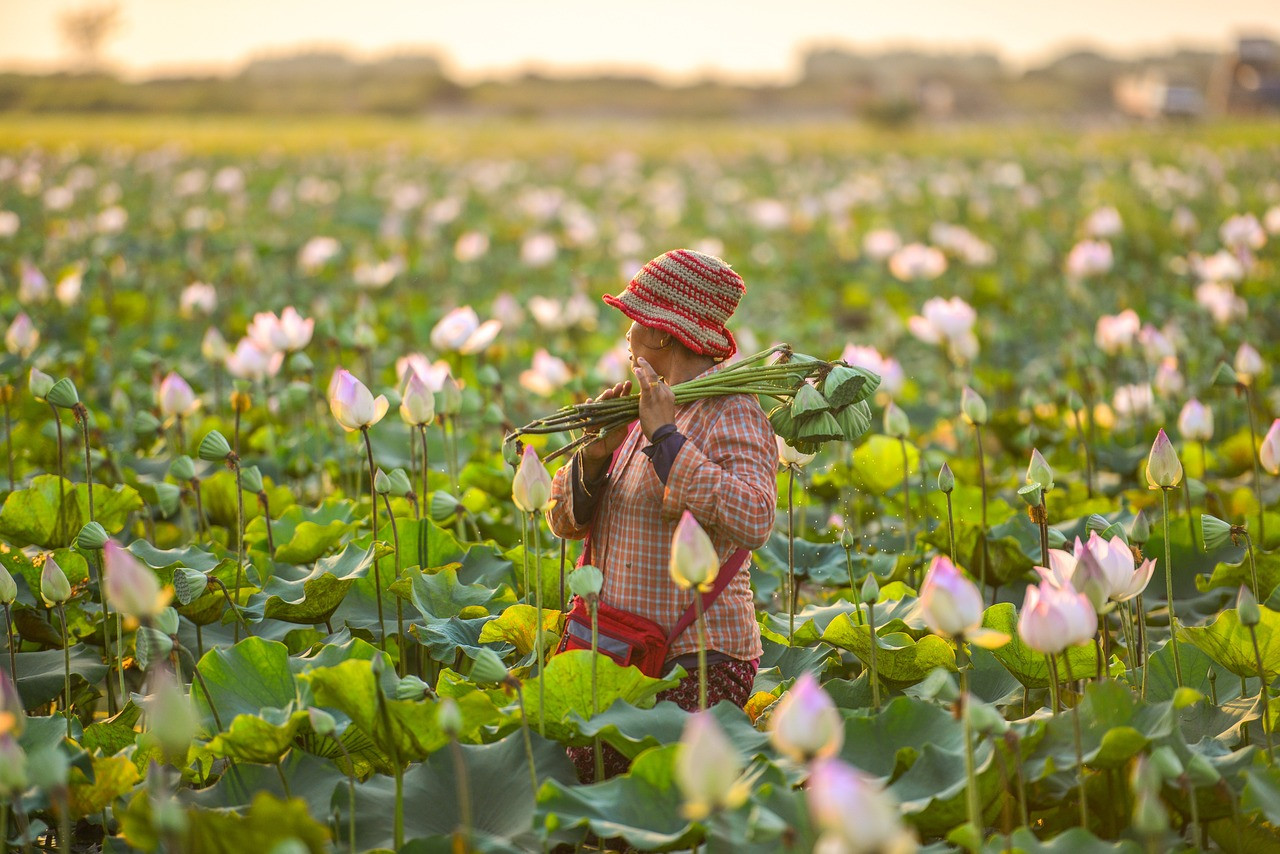
Representative image: mtorrazzina / Pixabay
On the International Day of Rural Women, 15 October 2026, UN Women called for land rights, finance and a policy voice for women farmers under the theme of caring for nature.
What Happened
UN Women has called on governments, financial institutions, businesses and development partners to invest directly in rural women and give them a real say in farm and climate policy, in a statement for the International Day of Rural Women on Thursday, 15 October 2026. The theme for this year's day is "Rural Women Farmers Caring for Mother Nature". The UN agency said rural women's rights, resources and decision-making power too often fall short of what they contribute, and it called for enforceable rights to land, water and natural resources, equal access to finance and markets, social protection, and the recognition, reduction and redistribution of their unpaid care work.
Key Facts
- The International Day of Rural Women is observed every year on 15 October.
- The 2026 theme, set out in UN Women's statement, is "Rural Women Farmers Caring for Mother Nature".
- The theme recognises rural women's daily work in conserving seeds, protecting biodiversity, managing water and restoring degraded land.
- UN Women links the day to the International Year of the Woman Farmer and to this year's meetings under the three Rio Conventions on climate, biodiversity and desertification.
- The statement calls for enforceable rights to land, water and natural resources for rural women.
- It also calls for equal access to finance and markets, and for social protection.
- It says rural women's unpaid care work must be recognised, reduced and redistributed.
- UN Women says rural women should help shape agricultural policy and decide how climate and land funding is used.
Why It Matters
The theme describes work that rural women already do every day: saving seed, protecting biodiversity, managing water and restoring land. UN Women's point is that the rights, resources and decision-making power that go with that work have not kept pace. Its statement asks that the women who manage seeds, soil and water be treated as leaders in farming and conservation, with the land rights, finance and voice that such a role needs.
The link to the Rio Conventions is important. Large sums of money are being discussed for climate adaptation, biodiversity and land restoration. UN Women's call is that rural women should not just receive the benefits of that money but help decide where it goes, because they are often the first to deal with drought, failing harvests and degraded land.
The call on unpaid care work speaks to a daily reality. A woman farmer who also cooks, collects fuel and water, and looks after children and elders has far less time for training, meetings, markets or leadership roles. Reducing that load, through services such as water connections, clean cooking fuel and childcare, and sharing it more evenly within families, frees time for women to take on roles in cooperatives, panchayats and farmer producer groups.
For Indian readers, the theme connects with the self-help group and producer-organisation movement, where rural women have built savings groups and small businesses. Land titles, credit and market access are the areas UN Women's statement highlights.
| Call in UN Women's statement | What it means on the ground |
|---|---|
| Enforceable land and water rights | Titles and secure access in women's own names |
| Equal access to finance and markets | Loans and buyers on the same terms as men |
| Social protection | A safety net against illness, drought or crop loss |
| Shared unpaid care work | More time for farming, training and leadership |
| A say in policy and funding | Women deciding how climate and land money is spent |
Impact
Short-term: Governments, UN agencies and civil society groups are marking the day with events and statements, and rural women's groups are using it to press for land and credit reforms.
Long-term: If the calls are acted on, rural women could gain stronger rights, better incomes and more say in how farming adapts to climate change. Progress will be measured by how many hold land titles and leadership roles.
Who is affected: Women farmers and rural workers, self-help groups and producer organisations, policymakers in agriculture and climate, and banks and businesses that work with rural communities.
Key Takeaway
On the International Day of Rural Women 2026, UN Women says women farmers who protect seeds, soil and water must also hold land rights, finance and a voice in policy.
Questions and Answers
What is the theme of International Day of Rural Women 2026?
According to UN Women's statement, the 2026 theme is "Rural Women Farmers Caring for Mother Nature", honouring rural women's work in seed conservation, biodiversity, water management and land restoration.
When is the International Day of Rural Women observed?
It is observed every year on 15 October.
What did UN Women ask for in its 2026 statement?
It called for enforceable land, water and resource rights for rural women, equal access to finance and markets, social protection, a fairer sharing of unpaid care work, and a role for rural women in deciding agricultural and climate policy and funding.
How is the day linked to the International Year of the Woman Farmer?
UN Women connects this year's observance to the International Year of the Woman Farmer and to the meetings under the three Rio Conventions on climate, biodiversity and desertification.
Disclaimer: Prepared by the Peepals newsroom from publicly available sources with AI assistance. Information is accurate to the best of our knowledge at the time of publication and may change. Images may be representative. Not professional advice. Report an error via our contact page.
Sourced and fact-checked by the Peepals Global Editorial Team
Mary Peltola raises record $17 million in tossup Alaska Senate race
Man named in adultery claim must be heard in maintenance cases: Allahabad HC
Reported, fact-checked and published by the Peepals Global Editorial Team.