Malaysia's births fall below 400,000 as fertility rate drops to 1.5 in 2025
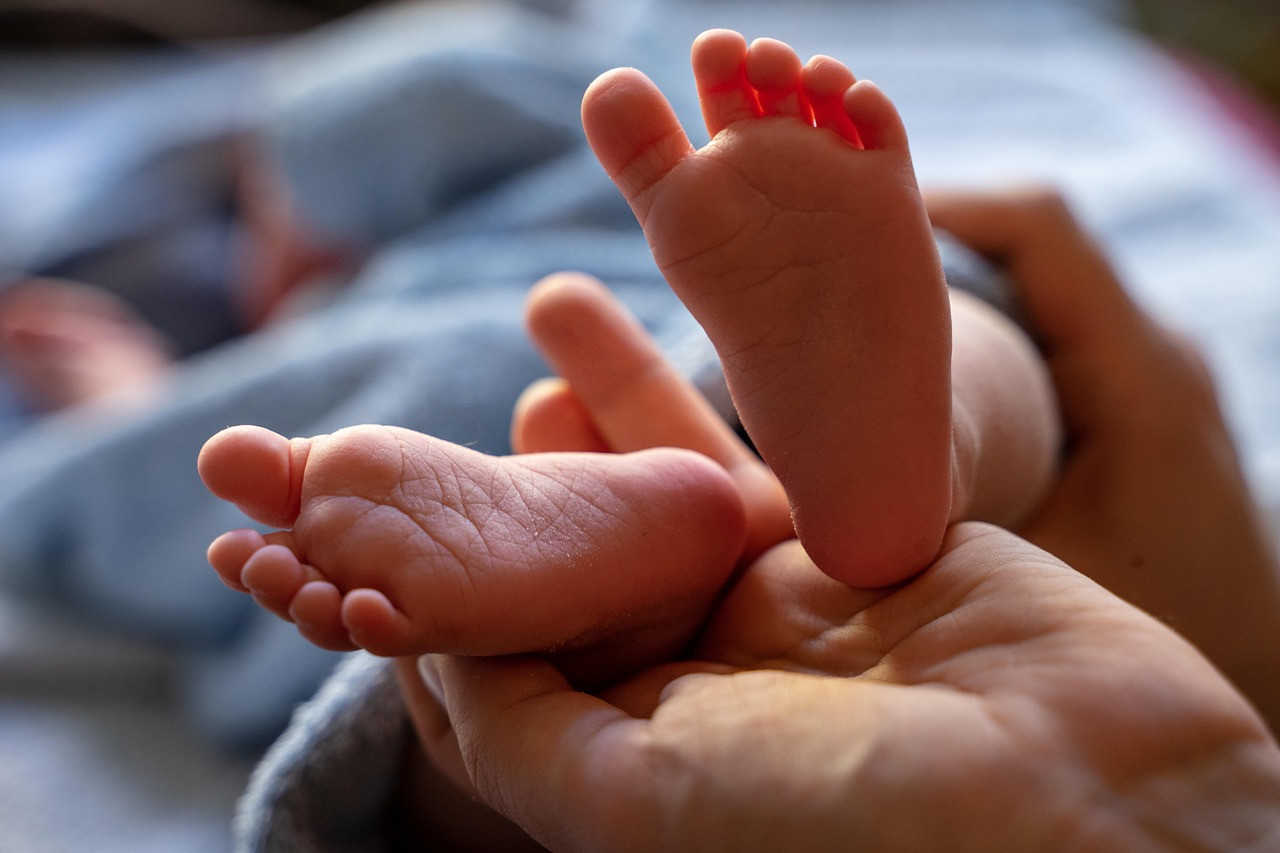
Representative image: ThorstenF / Pixabay
Malaysia recorded 396,175 births in 2025, down 4.5%, and its fertility rate fell to 1.5 children per woman, official data released on October 15, 2026 show.
What Happened
Malaysia recorded 396,175 live births in 2025, down 18,743 or about 4.5% from 414,918 in 2024, and its total fertility rate fell to 1.5 children per woman from 1.6, the Department of Statistics Malaysia (DOSM) said in its annual vital statistics release on Thursday, October 15, 2026. The crude birth rate dropped to 11.6 births per 1,000 people from 12.2 a year earlier. The fertility rate, the average number of children a woman would have over her lifetime at current rates, is now well below the level of about 2.1 needed for a population to replace itself without migration.
Key Facts
- Live births in 2025: 396,175, down from 414,918 in 2024, a fall of 18,743 (about 4.5%).
- Total fertility rate: 1.5 children per woman in 2025, down from 1.6 in 2024.
- Crude birth rate: 11.6 per 1,000 people, down from 12.2.
- Malays kept the highest fertility among ethnic groups at 1.9, unchanged; the rate among ethnic Chinese fell to 0.7 from 0.9.
- By state, Terengganu had the highest fertility rate at 2.5, followed by Kelantan at 2.3 and Pahang at 1.8; Penang had the lowest at 1.1.
- Quarterly DOSM data show the decline is continuing: births in April to June 2026 were 90,726, down 6.1% from a year earlier.
Why It Matters
Malaysia is now firmly below replacement fertility, and the drop from 1.6 to 1.5 in a single year is steep for a national average. Each tenth of a point represents many thousands of children not born, and the effects build over decades: fewer young workers, more older people for each person of working age, and pressure on pensions and care.
The ethnic and regional spread is striking. A fertility rate of 0.7 among ethnic Chinese Malaysians means, on current patterns, fewer than one child per woman. At the other end, the mainly rural east-coast states of Terengganu and Kelantan still average more than two children per woman, while urbanised Penang is at 1.1. The gap between states shows that national averages can hide very different family patterns within one country, a point that also holds for large and varied countries such as India.
DOSM's quarterly figures also show that motherhood is coming later. In the second quarter of 2026, mothers aged 30 to 39 accounted for 52.6% of births, those aged 20 to 29 for 39.7%, and women aged 40 and over for 5.9%. Later first births usually mean fewer births in total, because there are fewer years left to have a second or third child.
| Measure | 2024 | 2025 |
|---|---|---|
| Live births | 414,918 | 396,175 |
| Total fertility rate | 1.6 | 1.5 |
| Crude birth rate per 1,000 | 12.2 | 11.6 |
| Ethnic Chinese fertility rate | 0.9 | 0.7 |
Impact
Short-term: Fewer births mean smaller intakes for maternity wards, nurseries and, within a few years, primary schools, especially in low-fertility states and cities.
Long-term: A shrinking pool of young people will change family life itself: fewer siblings and cousins, more only children, and more elderly parents relying on one or two adult children for care. Policies on childcare, parental leave, housing and flexible work are likely to come under sharper debate as governments try to make it easier for couples to have the children they say they want.
Who is affected: Young couples deciding whether and when to have children, working women who carry much of the childcare load, older Malaysians who will depend on a smaller younger generation, and employers and planners who must prepare for a slower-growing workforce.
Key Takeaway
Malaysia's births fell below 400,000 in 2025 and its fertility rate dropped to 1.5, with ethnic Chinese families averaging just 0.7 children per woman, a sign of how fast family size is shrinking in Asia.
Questions and Answers
How many babies were born in Malaysia in 2025?
The Department of Statistics Malaysia recorded 396,175 live births in 2025, down 18,743, or about 4.5%, from 414,918 in 2024, according to figures released on October 15, 2026.
What is Malaysia's fertility rate now?
The total fertility rate fell to 1.5 children per woman in 2025 from 1.6 in 2024, well below the replacement level of about 2.1.
Which groups and states have the highest and lowest fertility in Malaysia?
Among ethnic groups, Malays have the highest rate at 1.9 and ethnic Chinese the lowest at 0.7. Among states, Terengganu is highest at 2.5 and Penang lowest at 1.1.
Why does the age of mothers matter?
DOSM data show most births now come to mothers aged 30 to 39. When women start families later, there are fewer years left for further children, which tends to reduce the total number of births.
Disclaimer: Prepared by the Peepals newsroom from publicly available sources with AI assistance. Information is accurate to the best of our knowledge at the time of publication and may change. Images may be representative. Not professional advice. Report an error via our contact page.
Sourced and fact-checked by the Peepals Global Editorial Team
National SARAS Mela opens in Vijayawada with 600+ stalls of women-made handlooms
Kerala Bill proposes 3-year jail for elder abuse, certified caregivers for families
Reported, fact-checked and published by the Peepals Global Editorial Team.