
Punjab SHG canteens: 100 women-run canteens at bus stands, government offices
 By Priya NairLeadership & Growth Editor, Peepals Shakti
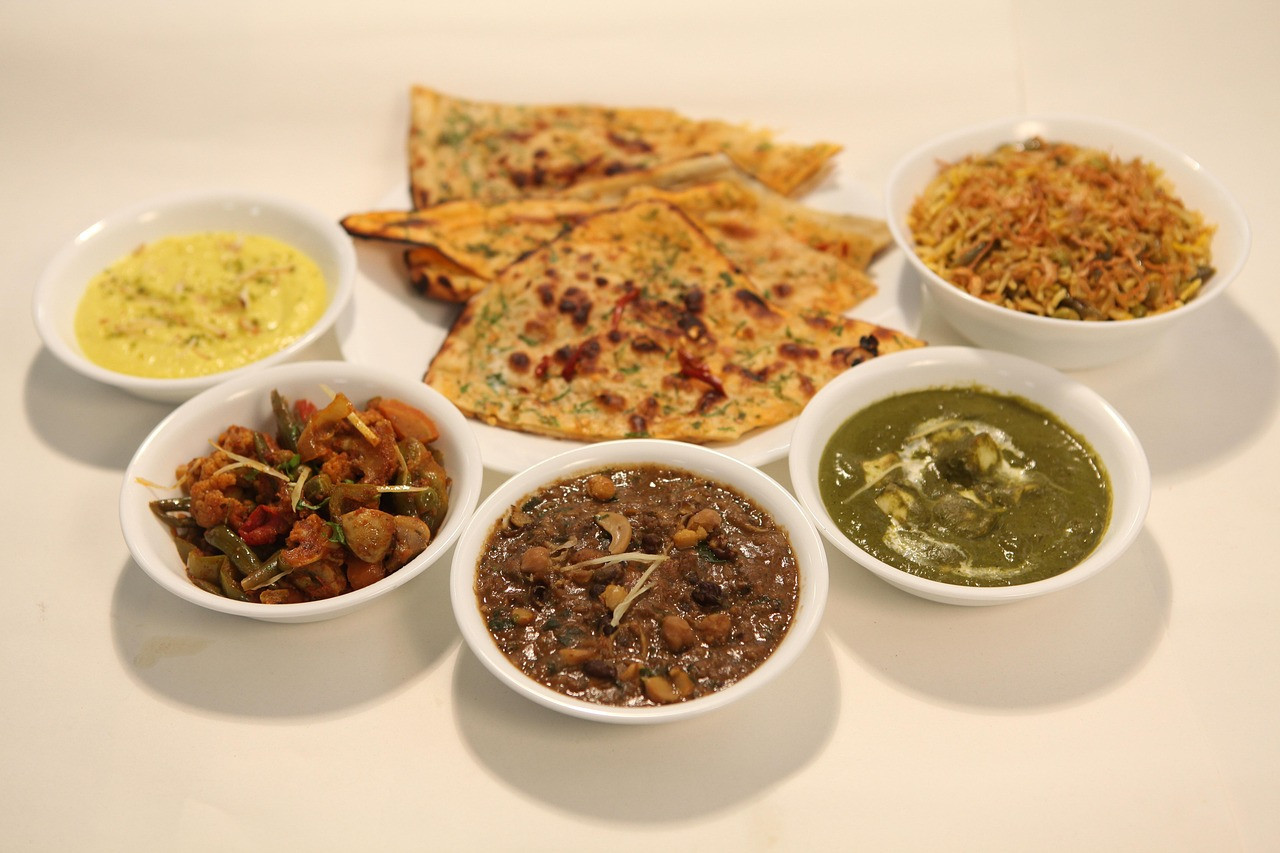
Representative image: vipul141 / Pixabay
Punjab will set up 100 canteens run by women's self-help groups at bus stands and government offices, with rent-free space and training, reported on 5 November 2026.
What Happened
The Punjab government will set up 100 canteens run by women's self-help groups at Punjab Roadways bus stands, tehsil offices, Deputy Commissioners' and municipal offices, department headquarters and other public institutions across the state, Finance Minister Harpal Singh Cheema announced in reports dated Thursday, 5 November 2026. The groups get the space rent-free, with free electricity and water in government buildings, and kitchen equipment and utensils. The Punjab State Rural Livelihoods Mission, which runs the scheme with the state government, is arranging short catering and canteen-management training for the women through hotel management colleges.
Key Facts
- Number of canteens: 100, all to be managed by women's self-help groups (SHGs).
- Locations: Punjab Roadways bus stands, tehsils, DC and MC offices, departmental headquarters and other major public institutions.
- Support: rent-free space, plus free electricity and water in government offices, according to the minister.
- Equipment: kitchen equipment and utensils provided to the groups.
- Training: seven to 10 days of culinary and canteen-management training for SHG members, arranged with hotel management colleges.
- Agency: the Punjab State Rural Livelihoods Mission (PSRLM), with the state government.
- Pilot: an SHG canteen already running at the state's finance and planning building serves a 26-item menu, Cheema said.
Why It Matters
A self-help group is a small collective of women, usually from the same village or neighbourhood, that saves money together, takes loans as a group and often runs a small business. A common difficulty for such groups is finding a steady place to sell what they make. A canteen in a government office or a bus stand solves that, because the customers walk in every day.
The terms also matter. Rent and electricity are among the biggest fixed costs for any small food business. By giving the space, power and water free in government offices, the state removes the costs that usually sink a first-time business in its early months. What remains for the women is the cost of food, gas and labour, and the income from what they sell. Training through hotel management colleges is meant to bring in basic standards of hygiene, menu planning, pricing and accounts, the skills that decide whether a canteen survives.
For the women involved, the change is from home-based or seasonal work to running a fixed business with a daily cash flow, in public view. That is a step into management: buying supplies, handling staff and customers, keeping records. The scheme does not, by itself, guarantee earnings, and the reports do not give income targets, tender rules or how groups will be chosen. Those details will decide how far the canteens actually lift incomes.
Peepals timeline: the pilot canteen at the finance and planning building was already serving a 26-item menu when the minister described the scheme; the plan for 100 canteens across the state was reported on Thursday, 5 November 2026; the next stage is the seven-to-10-day training of SHG members with hotel management colleges, after which the canteens are to open at the listed public offices and bus stands. The government has not published opening dates for individual sites.
| What the government provides | What the SHG manages |
|---|---|
| Rent-free space | Cooking and menu |
| Free electricity and water (in government offices) | Buying supplies |
| Kitchen equipment and utensils | Staff and customer service |
| 7 to 10 days of training | Daily accounts and earnings |
Impact
Short-term: SHG members selected for the scheme receive training, equipment and a ready location, and people visiting bus stands and government offices get another place to buy food.
Long-term: If the canteens do well, they could give rural women a steady business with daily earnings and management experience, and offer a model other states could study.
Who is affected: women in self-help groups under the Punjab State Rural Livelihoods Mission, staff and visitors at government offices, and bus passengers at Punjab Roadways stands.
Key Takeaway
Punjab plans 100 women-run SHG canteens at bus stands and government offices, with rent-free space, free power and water in government buildings, equipment and 7-to-10-day training from hotel management colleges.
Questions and Answers
What are Punjab's SHG canteens?
They are 100 canteens that women's self-help groups will run at Punjab Roadways bus stands, tehsils, DC and MC offices, department headquarters and other public institutions, under the Punjab State Rural Livelihoods Mission.
What support do the women get?
Rent-free space, free electricity and water in government offices, kitchen equipment and utensils, and seven to 10 days of catering and canteen-management training through hotel management colleges.
Who announced the Punjab SHG canteens scheme?
Punjab Finance Minister Harpal Singh Cheema, in reports dated 5 November 2026.
When will the canteens open?
The government has not given opening dates for individual canteens. One pilot canteen is already running at the state's finance and planning building with a 26-item menu.
Disclaimer: Prepared by the Peepals newsroom from publicly available sources with AI assistance. Information is accurate to the best of our knowledge at the time of publication and may change. Images may be representative. Not professional advice. Report an error via our contact page.
By Priya Nair, Leadership & Growth EditorCovers Leadership & Growth and more for Peepals Shakti. All stories by Priya Nair
Hindu Succession Act: grandson has no birthright in father's partitioned share
Thailand menstrual leave: draft labour law adds period, family-care leave
Get the day's stories in your inbox
Peepals Weekly: the week decoded, free. One email a week, unsubscribe in one click.
Priya Nair is a pen name of the Peepals Global Editorial Team, which researches, fact-checks and publishes every story. The portrait is an illustration.