
Thailand menstrual leave: draft labour law adds period, family-care leave
 By Vikram JoshiLife Balance Correspondent, Peepals Shakti

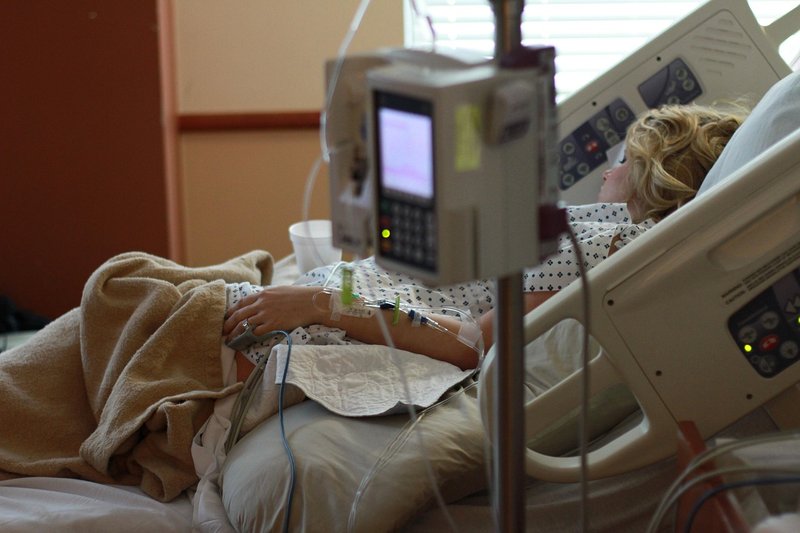
Representative image: flutie8211 / Pixabay
Thailand's Labour Minister said on 8 November 2026 a draft law would add menstrual-pain and family-care leave and more annual leave; the number of days is not yet set.
What Happened
Thailand's Labour Ministry is preparing a draft law that could give workers paid leave for menstrual pain and for caring for family members, expand annual leave and ban workplace discrimination on grounds including origin and race, Labour Minister Julapun Amornvivat said in a social media post on Sunday, 8 November 2026. He said a second public consultation would be held before the draft goes to the Cabinet. The minister did not say how many days of menstrual, family-care or extra annual leave the draft would give. Because Thailand's labour protection law sets minimum standards for private-sector workers, foreigners legally employed in Thailand on work permits would also be covered if the bill becomes law, according to reports of the announcement.
Key Facts
- Announced by: Thai Labour Minister Julapun Amornvivat, in a social media post on 8 November 2026.
- Proposed rights: leave for menstrual pain, leave for family care, more annual leave and a ban on workplace discrimination including on origin and race.
- Number of days: not specified by the minister for any of the new or expanded leave.
- Process: a first public hearing ran from 14 September to 14 October 2026; a second consultation is planned before the draft goes to the Cabinet.
- Current minimum: at least six working days of paid annual leave after one year of continuous employment, under the Labour Protection Act.
- Coverage: private-sector employees, including foreigners legally working on permits, if the bill passes.
- Separate law: the draft is distinct from the Labour Protection Act (No. 9), which took effect in December 2025.
Why It Matters
Menstrual pain is a routine health issue for many women of working age, but in most workplaces it is handled informally: a woman either uses sick leave, takes unpaid time off or works through the pain. A legal right to menstrual leave makes the issue part of ordinary employment rules, which can reduce the stigma of asking for time off and protect women from being penalised for it. How the leave is designed, paid or unpaid, how many days and whether a medical certificate is needed, decides which way it works. Thailand's draft has not yet settled those questions publicly.
Family-care leave matters in a similar way. Looking after a sick parent or child is a common reason people take unplanned time off or leave work. A separate legal entitlement to time off for family care, if it applies to all employees, gives carers a way to stay in their jobs.
The plan has an earlier history. Law firms reviewing Thai labour bills that reached a first reading in 2025 described proposals of up to three days of menstrual leave a month and up to 15 working days a year for family care. Those figures belonged to an earlier version, and the minister's November announcement did not confirm them, so they should not be read as the current draft.
For Indian readers, the question is familiar. In India, Karnataka issued an order in November 2025 giving working women one day of paid menstrual leave a month, according to reports at the time. Indians working legally in Thailand would be covered by the Thai law if it is passed.
Peepals calculation: if the earlier 2025 proposal of up to three menstrual-leave days a month were adopted, it would allow up to 36 days a year (3 × 12), six times the current six-day minimum for annual leave (36 ÷ 6 = 6). The earlier family-care figure of 15 days would be two and a half times that minimum (15 ÷ 6 = 2.5). These figures are from the earlier proposal, not the current draft. Our calculation from the reported figures.
| Leave | Now (minimum) | Draft announced 8 Nov 2026 |
|---|---|---|
| Annual leave | 6 working days after one year | to be expanded; days not given |
| Menstrual pain leave | none in the law | proposed; days not given |
| Family-care leave | none in the law | proposed; days not given |
Impact
Short-term: Workers and employers in Thailand can take part in the second public consultation before the draft goes to the Cabinet.
Long-term: If the law passes, women in Thailand's private sector, including foreign workers on permits, would gain a legal right to leave for menstrual pain, and all employees could gain family-care leave and more annual leave.
Who is affected: private-sector employees in Thailand, especially women and those caring for family members; foreign workers on Thai work permits, including Indians; and employers who would have to plan for the new leave.
What to watch next: the second public consultation and the Cabinet's decision on the draft, along with the number of leave days it sets.
Key Takeaway
Thailand's Labour Ministry is drafting a law with menstrual-pain and family-care leave and more annual leave, but has not yet said how many days it would give.
Questions and Answers
Is Thailand introducing menstrual leave?
It is proposed, not yet law. Labour Minister Julapun Amornvivat said on 8 November 2026 that a draft law with menstrual-pain leave, family-care leave and more annual leave will go through a second public consultation before reaching the Cabinet.
How many days of menstrual leave would Thai workers get?
The minister did not say. An earlier 2025 version described by law firms proposed up to three days a month, but the current draft's figures have not been announced.
Would foreign workers in Thailand be covered?
Yes, if the bill becomes law. The labour protection law sets minimum standards for private-sector employees, including foreigners legally employed on work permits.
What is the current annual leave rule in Thailand?
The Labour Protection Act requires at least six working days of paid annual leave after one year of continuous employment.
Disclaimer: Prepared by the Peepals newsroom from publicly available sources with AI assistance. Information is accurate to the best of our knowledge at the time of publication and may change. Images may be representative. Not professional advice. Report an error via our contact page.
By Vikram Joshi, Life Balance CorrespondentCovers Life Balance and more for Peepals Shakti. All stories by Vikram Joshi
Get the day's stories in your inbox
Peepals Weekly: the week decoded, free. One email a week, unsubscribe in one click.
Vikram Joshi is a pen name of the Peepals Global Editorial Team, which researches, fact-checks and publishes every story. The portrait is an illustration.