
Mizoram strawberry farmer named among FAO's 100 Women Heroes
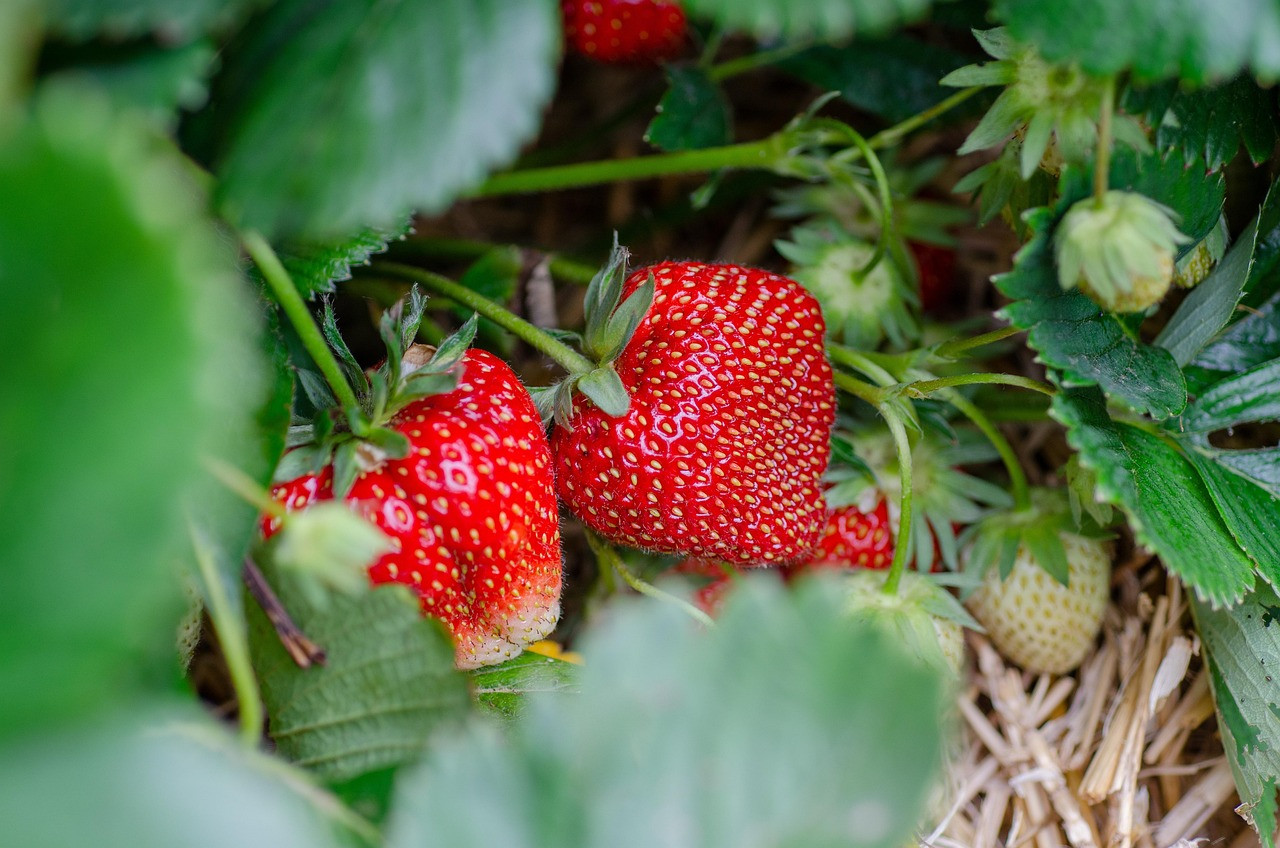
Representative image: Kathas_Fotos / Pixabay
Mari ZT Lalrithangi of Lawngtlai, Mizoram, became the first Mizo woman named among FAO's 100 Women Heroes in Agrifood Systems, reported on October 16, 2026.
What Happened
Mari ZT Lalrithangi, a strawberry grower from Sangau village in Mizoram's Lawngtlai district, has been named among the "100 Women Heroes in Agrifood Systems and Rural Development" by the Food and Agriculture Organization (FAO) of the United Nations. The recognition was presented at the World Food Forum at FAO headquarters in Rome and was reported on Friday, October 16, 2026. She is the first woman from the Mizo community to receive it. The list forms part of the International Year of Women Farmers 2026.
Key Facts
- Lalrithangi was chosen from more than 600 nominees from 131 countries, according to reports of the selection.
- She is the first Mizo woman to be named among the FAO's 100 Women Heroes.
- She started growing strawberries in 2024 with about 1,000 saplings on a plot roughly 5 km from Sangau.
- Her farm now has more than 10,000 strawberry plants on two hectares, along with avocado and banana.
- She reportedly earned about Rs 1.5 lakh in her first year and more than Rs 10 lakh from strawberries in 2025.
- She holds a postgraduate degree in sociology from the Indira Gandhi National Open University and worked as a private-school teacher before farming.
- Earlier in 2026, she was judged the best farmer from Lawngtlai district at the Mizoram Horti Fair.
Why It Matters
The FAO recognition puts a farmer from one of India's most remote districts on a global list of women who are changing how food is grown, processed and sold. Lawngtlai lies in the south of Mizoram, near the border with Myanmar. A woman from that area being picked from a field of more than 600 nominees across 131 countries shows that change in farming is not limited to big farms or well-connected regions.
Her path is also unusual. Lalrithangi did not come from a background in commercial farming. She studied sociology, taught at a private school and, according to reports, appeared for several competitive examinations while looking for a government job. She turned to strawberries in 2024 after hearing that farmers in neighbouring Siaha district had done well with the crop. She learned the methods through online tutorials and by talking to other growers, rather than through formal training. That mix of self-teaching and peer learning is an approach other first-time farmers can copy.
The numbers behind her farm show how quickly a small start can grow when the crop suits the local climate and finds buyers. From about 1,000 saplings, she expanded to more than 10,000 plants within two years and added fruit such as avocado and banana. Her reported income rose from about Rs 1.5 lakh in the first year to more than Rs 10 lakh in 2025. These income figures come from news reports based on her account; they have not been audited, and they describe one farm, not a typical result.
The award comes in the International Year of Women Farmers, which puts women's work in agriculture at the centre of this year's discussions. Recognition of this kind brings visibility, but it does not by itself come with land, credit or market access.
| Farm | Starting point (2024) | Now |
|---|---|---|
| Strawberry plants | about 1,000 | more than 10,000 |
| Land under cultivation | small plot near Sangau | two hectares |
| Reported income | about Rs 1.5 lakh (first year) | more than Rs 10 lakh (2025) |
Impact
Short-term: The FAO honour is likely to draw attention to strawberry growing in southern Mizoram and to Lalrithangi's farm in particular. Reports say her husband, a primary school teacher, and her in-laws help run the farm, so the recognition reflects a family effort as well as her own leadership. It may encourage other growers in Lawngtlai and Siaha to try the crop.
Long-term: If more farmers in the region take up high-value fruit, the area could build a small cluster of growers that is easier to link to markets, storage and transport. That outcome depends on support from state horticulture programmes and on prices holding up, neither of which the award guarantees. Her case is also an example of a woman leading a new farm venture in a hill district.
Who is affected: Women farmers in Mizoram and the wider Northeast, who gain a visible example from their own region; horticulture officials in the state, who can point to a local success; young graduates in rural areas who are weighing farming against waiting for government jobs; and the FAO's global network of women in agriculture, which now includes a grower from India's far Northeast.
Key Takeaway
A former teacher from Sangau in Mizoram, who taught herself to grow strawberries in 2024, was named among the FAO's 100 Women Heroes in Agrifood Systems in October 2026, the first Mizo woman to receive the honour.
Questions and Answers
Who is Mari ZT Lalrithangi?
She is a strawberry farmer from Sangau village in Lawngtlai district, Mizoram. She holds a postgraduate degree in sociology from IGNOU and worked as a private-school teacher before taking up strawberry farming in 2024.
What award did she receive from the FAO?
She was named among the FAO's "100 Women Heroes in Agrifood Systems and Rural Development", announced at the World Food Forum in Rome in October 2026 as part of the International Year of Women Farmers. She was selected from more than 600 nominees across 131 countries.
How big is her strawberry farm?
She began with about 1,000 saplings in 2024 and now grows more than 10,000 strawberry plants on two hectares, along with avocado and banana. Reports say she earned more than Rs 10 lakh from strawberries in 2025.
How did she learn to grow strawberries?
According to reports, she learned through online tutorials and from other farmers, after hearing about successful strawberry growers in the neighbouring Siaha district. She did not start with formal training in commercial farming.
Disclaimer: Prepared by the Peepals newsroom from publicly available sources with AI assistance. Information is accurate to the best of our knowledge at the time of publication and may change. Images may be representative. Not professional advice. Report an error via our contact page.
Sourced and fact-checked by the Peepals Global Editorial Team
Forcing wife out, then years of neglect is cruelty: Calcutta HC
Family violence against children rises sharply in Australia, study finds
Reported, fact-checked and published by the Peepals Global Editorial Team.