One in three Australian workers burnt out, blamed on broken systems
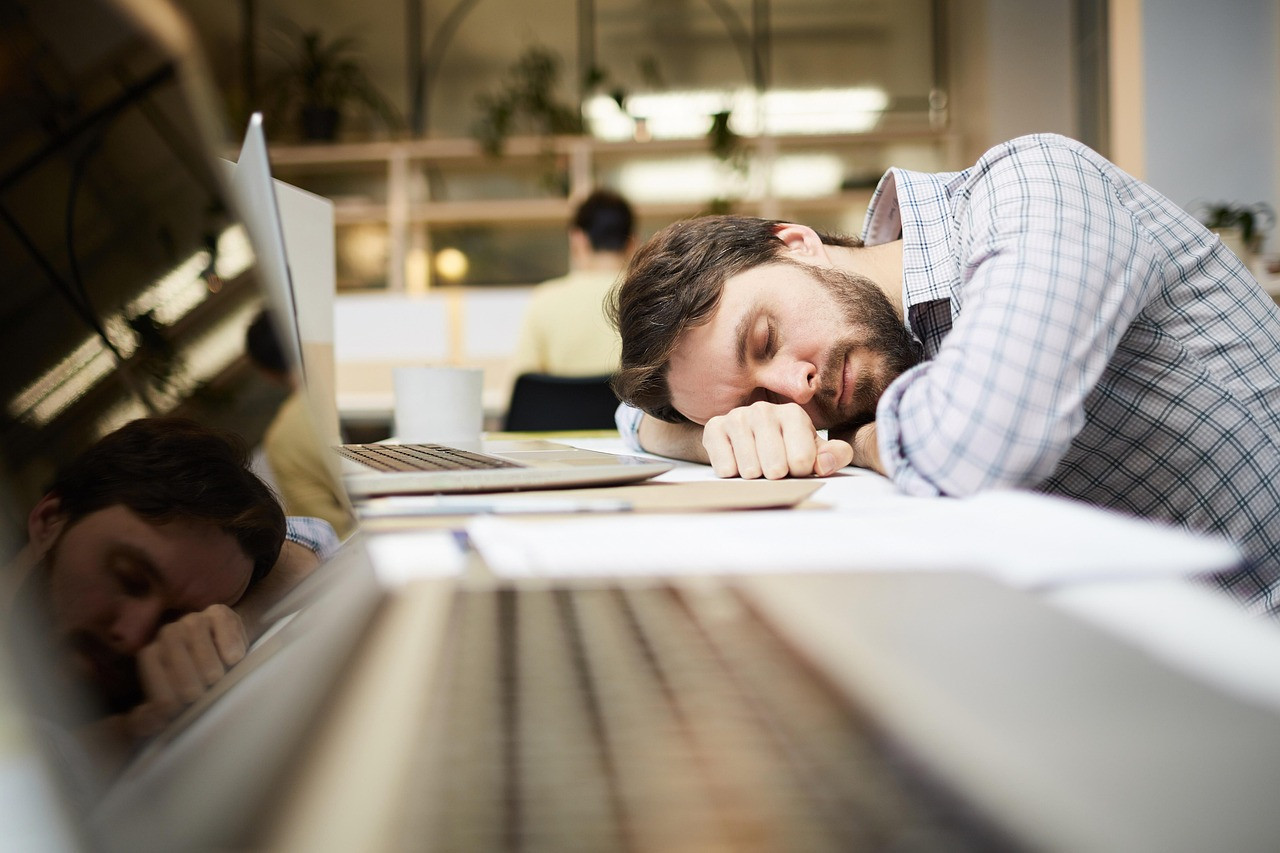
Representative image: daha3131053 / Pixabay
Australia's State of Workplace Burnout report, released in October 2026, found 36% of 999 workers burnt out, with broken systems and interruptions the main drivers.
What Happened
More than one in three Australian workers are burnt out, and the main drivers are clumsy systems and constant interruptions rather than personal weakness, according to the State of Workplace Burnout report released in Australia in the week of October 19, 2026. The report was produced by the think tank Infinite Potential with the mental health organisation Beyond Blue and UTS Business School, part of the University of Technology Sydney. It is based on the responses of 999 Australian workers and found that 36% were experiencing burnout, while 47% said their wellbeing had declined over the past year.
Key Facts
- Burnout rate: 36% of the 999 workers surveyed were experiencing burnout, according to the 2026 report.
- Wellbeing: 47% said their wellbeing had fallen over the previous 12 months.
- System friction: workers facing high "system friction" (bad processes and badly designed technology that slow work down) had 74% higher odds of burnout.
- Interruptions: workers who were frequently interrupted had 53% higher odds of burnout.
- Mental load: high cognitive load, meaning too much to hold in mind at once, made workers about 1.7 times as likely to be burnt out.
- Work quality: 43% of burnt-out workers reported lower quality work, against 11% of other workers.
- Earlier gender gap: the 2024 edition of the same report found burnout rising among women to 42%, from 38% a year earlier, while it fell among men to 30%, from 33%.
Why It Matters
Burnout is often discussed as a personal problem: the advice is to sleep more, meditate or take a holiday. This report argues the opposite. Its strongest links to burnout are features of the workplace itself, such as systems that do not work well together, approval processes that waste time and a constant stream of messages that break concentration. John Chan of Infinite Potential, who led the research, said much time and effort is lost to "bad process" and "bad technology" at some workplaces, and that the aim is to move the conversation away from the individual.
That framing matters for women in particular. The 2024 edition of the same report found women more likely than men to be burnt out. For anyone who also carries caring responsibilities at home, a workday fragmented by interruptions and broken systems leaves little reserve for the rest of the day. A finding that the fix lies largely in how work is organised, not in individual resilience, shifts some responsibility back to employers.
The productivity numbers make the business case. If burnt-out workers are about four times as likely to report lower quality work, then burnout is not only a wellbeing issue but a cost to the organisation. That gives managers a reason to look at their tools, meeting habits and approval chains, not only at wellness programmes.
The survey is Australian, and the figures should not be read as Indian data. But the drivers it names, such as too many tools, constant pings on messaging apps and heavy mental load, are common in offices everywhere, including in India's fast-growing services and technology sectors.
| Finding | 2026 report |
|---|---|
| Workers burnt out | 36% |
| Wellbeing declined in past year | 47% |
| Higher odds of burnout with system friction | 74% |
| Higher odds with frequent interruptions | 53% |
| Lower work quality among burnt-out workers | 43% (11% of others) |
Impact
Short-term: the report gives employees and team leaders specific, measurable targets, such as cutting interruptions and fixing broken processes, rather than general advice to "manage stress". It may prompt organisations to review how many tools and channels staff must monitor.
Long-term: if employers accept that burnout is driven largely by work design, spending may shift from individual wellness perks to better systems and clearer workloads. Repeated editions of the report will show whether the gender gap seen in 2024 persists.
Who is affected: office and knowledge workers, women who combine paid work with caring responsibilities, managers and HR teams, and organisations whose output suffers when staff are exhausted.
Key Takeaway
Australia's 2026 State of Workplace Burnout report finds 36% of workers burnt out and ties it most strongly to broken systems and interruptions, not to personal failings.
Questions and Answers
What did the 2026 State of Workplace Burnout report find?
The survey of 999 Australian workers, by Infinite Potential with Beyond Blue and UTS Business School, found 36% were burnt out and 47% said their wellbeing had declined in the past year.
What is "system friction" and why does it matter for burnout?
System friction means processes and technology that make work slower or harder than it needs to be, such as repeated approvals or tools that do not connect. Workers facing high friction had 74% higher odds of burnout in the report.
Are women more likely to be burnt out than men?
In the 2024 edition of the same report, 42% of women were burnt out compared with 30% of men. Gender figures for the 2026 edition were not included in the published coverage.
What can a worker take from these findings?
The report suggests burnout is driven largely by how work is organised. Raising specific problems with a manager, such as constant interruptions or broken processes, may address causes rather than only symptoms. Anyone with persistent distress should seek help from a qualified professional.
Disclaimer: Prepared by the Peepals newsroom from publicly available sources with AI assistance. Information is accurate to the best of our knowledge at the time of publication and may change. Images may be representative. Not professional advice. Report an error via our contact page.
Sourced and fact-checked by the Peepals Global Editorial Team
Adidas posts record quarter, raises 2026 profit outlook to 2.5 billion euros
Jennifer Siebel Newsom's Miss Representation sequel tackles social media harm
Reported, fact-checked and published by the Peepals Global Editorial Team.