
5G carriers fight FCC satellite-to-phone plan seen as aiding SpaceX
 By Karan BansalTech Startups Correspondent, Peepals Tech
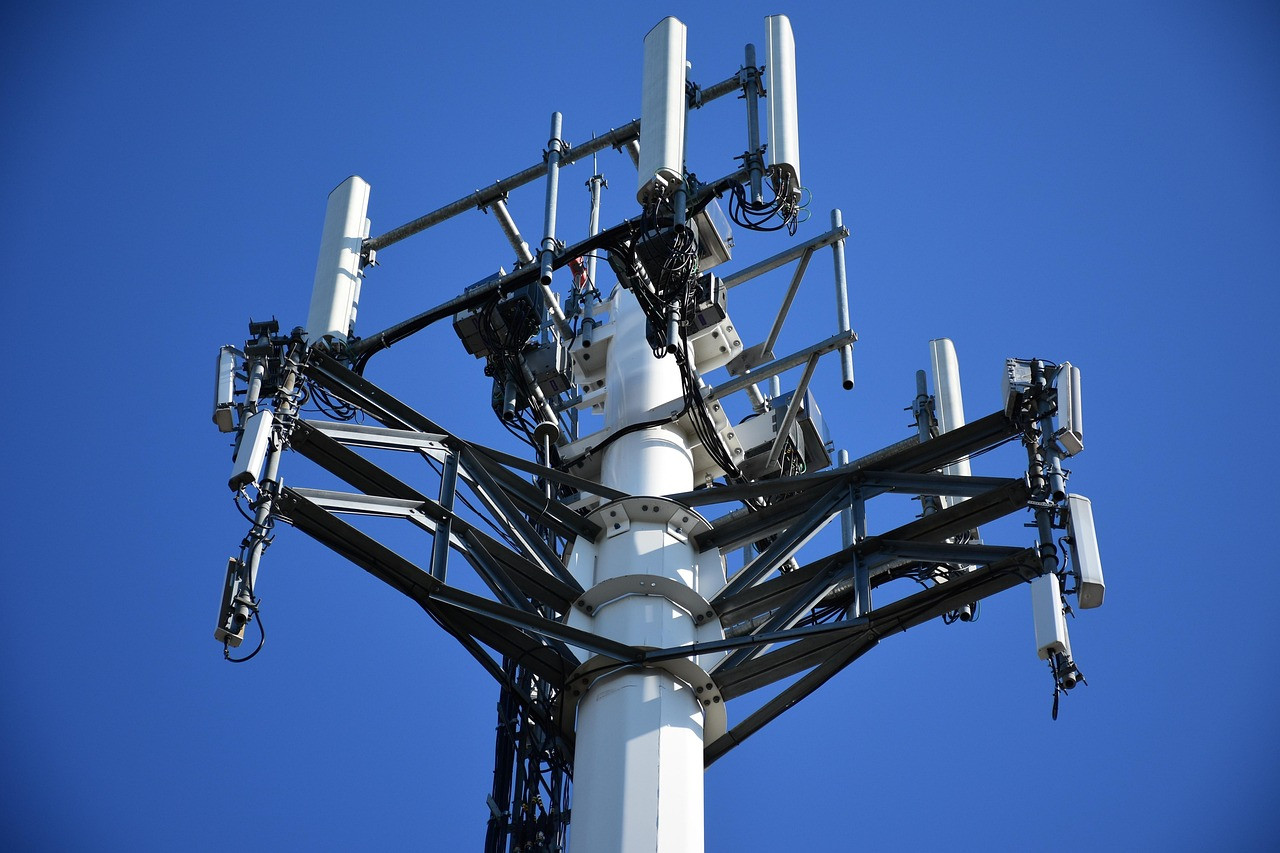
Representative image: MaxwellFury / Pixabay
AT&T, T-Mobile and Verizon want 290 MHz cut from the FCC's 482 MHz satellite-to-phone plan over 5G interference, before a 29 October 2026 vote.
What Happened
AT&T, T-Mobile and Verizon, the three largest mobile carriers in the United States, have jointly objected to key parts of a Federal Communications Commission (FCC) plan to widen satellite-to-phone service, a move reported as potentially helping SpaceX's Starlink Mobile. The carriers filed their objections through CTIA, the US wireless industry association, ahead of the FCC's open meeting on 29 October 2026, where the draft rules are due to be considered. The 5G operators' central demand is that two mid-band frequency ranges they use for their own networks be removed from the plan.
Key Facts
- The FCC published its draft on 8 October 2026 to expand Supplemental Coverage from Space (SCS), which lets satellites connect directly to ordinary phones using carriers' licensed frequencies.
- The plan covers 482 MHz of spectrum in total, according to reports on the filing.
- Through CTIA, the carriers want the 2.5 GHz and 3.45 GHz bands removed, which together make up 290 MHz of the 482 MHz, citing the risk of interference with their 5G networks.
- T-Mobile uses the 2.5 GHz band and AT&T uses the 3.45 GHz band for mobile service.
- CTIA also opposed replacing current spectrum leasing rules with sharing agreements between satellite and ground-based operators.
- The group asked that satellite operators face performance obligations comparable to those placed on mobile networks.
- The FCC is scheduled to consider the draft at its 29 October 2026 open meeting.
Why It Matters
Spectrum is the range of radio frequencies that carries mobile calls and data. It is limited, governments license it, and companies pay large sums for exclusive rights to parts of it. Frequencies are measured in hertz; MHz (megahertz) describes how wide a slice is, and GHz (gigahertz) tells where on the radio dial it sits. A wider slice can carry more data, which is why the size of the FCC's plan, and the 290 MHz the carriers want cut, matters to every company involved.
Supplemental Coverage from Space is the FCC's name for "direct-to-device" service, where a satellite in orbit talks straight to a normal smartphone instead of through a ground tower. Its main use so far has been filling gaps: texting or emergency messages in remote areas, at sea or after disasters when towers are down. Expanding the frequencies that satellites can use would allow more capacity and, potentially, fuller services such as data, turning satellite operators into closer rivals of the traditional carriers.
The carriers' stated concern is interference. Signals beamed from space over wide areas could, they argue, disrupt the 5G service they provide on the same or neighbouring frequencies. Their other requests go further: by opposing looser sharing rules and asking for performance obligations, they want satellite newcomers to meet standards similar to those the carriers themselves must meet. Some reports frame the plan as favouring SpaceX, whose Starlink Mobile service is the most prominent direct-to-cell effort, but that is an interpretation of the draft rather than a decision; SpaceX had not publicly responded to the filing in the reports reviewed. The picture is also mixed because T-Mobile already sells satellite texting through a partnership with SpaceX, so its objection is about how expansion is written, not satellite service itself.
| | Item | Detail | |
|---|---|
| | FCC draft published | 8 October 2026 | |
| | Total spectrum in plan | 482 MHz | |
| | Bands carriers want removed | 2.5 GHz and 3.45 GHz | |
| | Share of plan those bands make up | 290 MHz | |
| | FCC vote scheduled | 29 October 2026 open meeting | |
For start-ups and policy watchers, the case shows how regulation decides who can scale. A satellite operator cannot offer a phone service without the right to use spectrum, and incumbents with licences have strong reasons to defend them. Similar questions about sharing frequencies between satellites and ground networks are being debated by regulators in other countries as direct-to-device services spread.
Impact
Short-term: The FCC's five-member commission can adopt the draft as written, change it to meet some of the carriers' concerns, or delay. If the two bands are dropped, the spectrum available for satellite-to-phone service under the plan would fall from 482 MHz to 192 MHz, according to an analysis of the filing.
Long-term: The final rules will shape how quickly direct-to-device satellite services can grow beyond emergency texting into everyday data, and whether satellite operators become full competitors to mobile carriers. They may also set a reference point for regulators elsewhere.
Who is affected: US mobile carriers and their customers, satellite operators such as SpaceX, phone users in rural or remote areas who could gain coverage, and equipment makers building satellite-ready phones.
Key Takeaway
The three big US carriers want 290 MHz of the FCC's 482 MHz satellite-to-phone plan removed over 5G interference concerns, setting up a key regulatory decision on 29 October 2026.
Questions and Answers
Why are 5G carriers fighting the FCC satellite proposal?
AT&T, T-Mobile and Verizon, through the industry group CTIA, say letting satellites use the 2.5 GHz and 3.45 GHz bands could interfere with their 5G networks, and they want those bands removed from the FCC's plan.
What is Supplemental Coverage from Space?
It is the FCC's framework that allows satellites to connect directly to ordinary mobile phones using frequencies licensed to carriers, so people can get service where there are no ground towers.
When will the FCC decide?
The draft is scheduled for consideration at the FCC's open meeting on 29 October 2026. The commission can adopt it, change it or put off a decision.
Does the plan help SpaceX?
Some reports describe it as benefiting SpaceX's Starlink Mobile, the best-known direct-to-cell service, but no decision has been made, and SpaceX had not publicly responded to the carriers' filing in the reports reviewed.
Disclaimer: Prepared by the Peepals newsroom from publicly available sources with AI assistance. Information is accurate to the best of our knowledge at the time of publication and may change. Images may be representative. Not professional advice. Report an error via our contact page.
By Karan Bansal, Tech Startups CorrespondentCovers Tech Start-ups & Stories and more for Peepals Tech. All stories by Karan Bansal
Sony ends sales of its last 4K UHD Blu-ray player in Japan
Healthcare GCCs to open 67,000 jobs in 2026, but fresher hiring falls
Karan Bansal is a pen name of the Peepals Global Editorial Team, which researches, fact-checks and publishes every story. The portrait is an illustration.