
Marathon Fusion claims it made gold from mercury, but shares no data
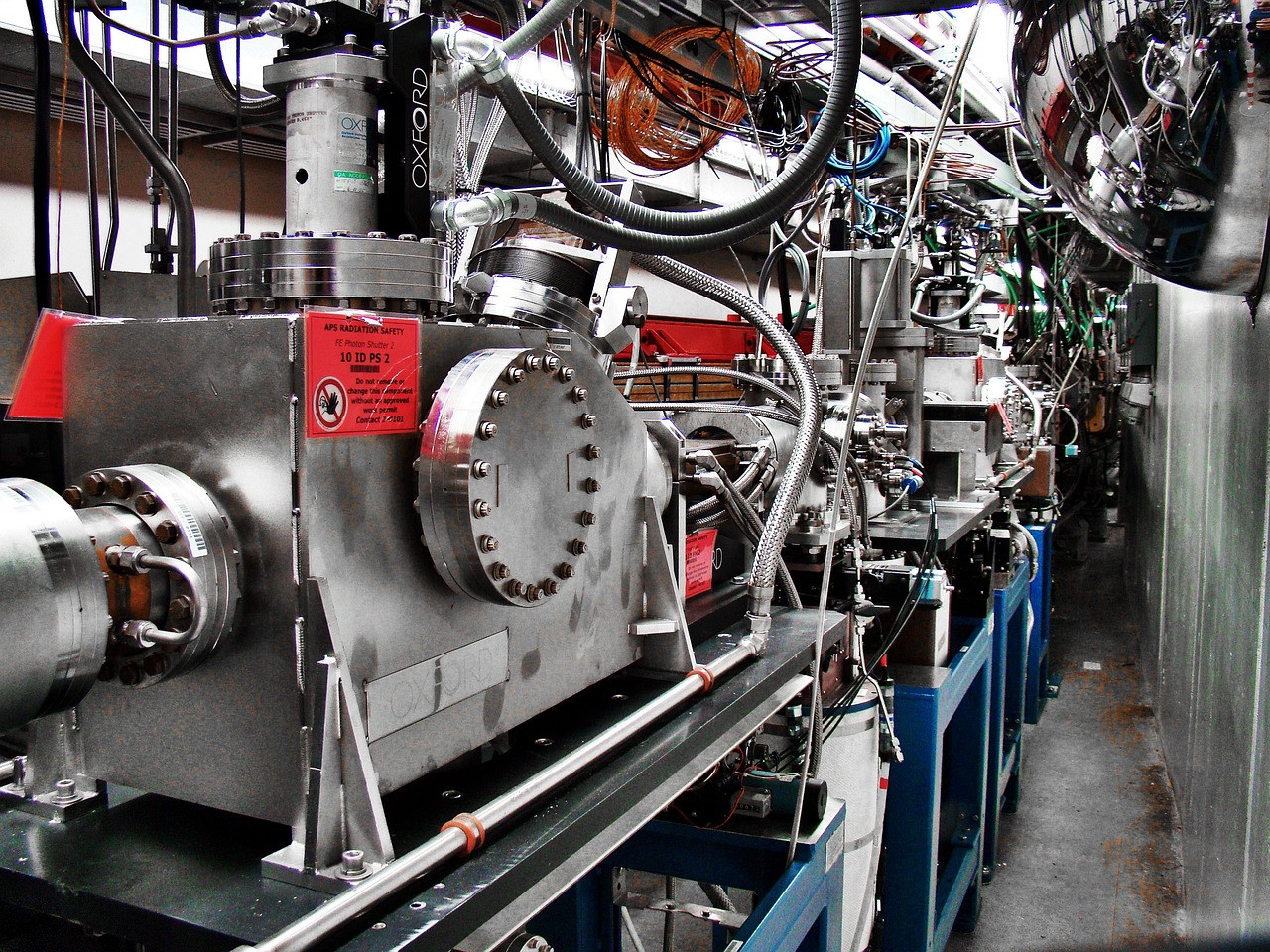
Representative image: JerzyGórecki / Pixabay
San Francisco start-up Marathon Fusion said on 21 October 2026 it turned mercury into stable gold using fusion neutrons, at ten times a 2025 CERN rate, but released no measurements.
What Happened
Marathon Fusion gold claims drew wide attention after the San Francisco start-up said on 21 October 2026 that it had turned mercury into stable gold using neutrons of the kind produced by nuclear fusion. In a thread on X, the company said it achieved a production rate ten times higher than one reported by CERN, the European physics laboratory, in 2025. However, the company published no experimental data with the announcement: it has not said how much gold it made, how pure it was, how efficiently it was recovered, or at what cost. Outside scientists have not verified the claim, and reports describe experts as divided.
Key Facts
- Company: Marathon Fusion, a San Francisco start-up working on fuel and materials technology for future fusion power plants.
- Claim, posted on X on 21 October 2026: mercury converted into stable gold using fusion neutrons, at ten times a rate reported by CERN in 2025.
- Process described by the company: a fast neutron strikes mercury-198, which loses two neutrons and briefly becomes a radioactive isotope that decays into stable gold-197.
- No measurements, quantities, purity, recovery rate or cost were published with the claim.
- Reports note the CERN figure came from a different process, so the "ten times" comparison does not by itself show how much gold was made.
- Sources differ on when the experiment took place: the company's post said "last month", while one report said September.
- The idea builds on a 2025 paper from the company, based on simulations, which estimated that a suitably designed fusion plant could produce about two tonnes of gold a year for each gigawatt of thermal power.
Why It Matters
Turning one element into another, called transmutation, is not new. Physicists have known for decades that bombarding atoms with particles can change them, and CERN's 2025 result involved tiny, short-lived amounts of gold created in high-energy collisions. What would be new is doing it at a scale and cost that matter economically. Gold is valuable, so if future fusion power plants could make it as a by-product, that income could help pay for an industry that does not yet produce electricity commercially.
That is a very large "if". Fusion power itself, the process that powers the sun, has not yet been achieved as a reliable, net-energy-producing source on Earth. Marathon Fusion's business model depends on fusion plants being built and run first. Its gold idea is about adding value to those plants, not about making gold today.
The way the claim was made is also important. Serious scientific results are normally published with data, methods and, ideally, independent checks. A thread on social media with no numbers does not allow anyone to judge whether the result is real, how large it is, or whether it can be repeated. Reports note that the company's separate work on enriching lithium isotopes, which are needed as fusion fuel, has stronger support, including outside laboratory certification.
For Indian readers following gold prices, the announcement has no effect on today's market. Even in the company's own projections, any gold from fusion plants is many years away and would depend on technology that does not yet exist at commercial scale.
| Point | What is known |
|---|---|
| Claim | mercury turned into stable gold with fusion neutrons |
| Announced | 21 October 2026, on X |
| Data released | none |
| Independent verification | none so far |
| Earlier work | 2025 simulation paper on gold from fusion plants |
Impact
Short-term: The claim adds to interest in fusion start-ups, but without data it is unlikely to change scientific opinion. Observers will look for a paper or independent measurements.
Long-term: If later verified and scaled, by-products such as gold could improve the economics of fusion power. That depends first on working fusion plants, which are still in development.
Who is affected: Fusion researchers and investors, the wider start-up ecosystem around clean energy, and anyone following claims about alternative sources of precious metals.
Key Takeaway
Marathon Fusion says it has made gold from mercury with fusion neutrons, but until it publishes data that others can check, the claim remains unverified.
Questions and Answers
Did Marathon Fusion really turn mercury into gold?
The company says it did, in a post on X on 21 October 2026, but it released no measurements and the claim has not been independently verified.
How would fusion turn mercury into gold?
According to the company, a fast neutron from fusion strikes mercury-198, which loses two neutrons and briefly becomes a radioactive isotope that then decays into stable gold-197.
Will this affect gold prices?
No. There is no commercial production, fusion power plants do not yet exist at scale, and the company's own projections concern future plants.
What did Marathon Fusion compare its result with?
A gold-production rate reported by CERN in 2025. Reports point out that CERN used a different process, so the "ten times" comparison does not show how much gold was produced.
Disclaimer: Prepared by the Peepals newsroom from publicly available sources with AI assistance. Information is accurate to the best of our knowledge at the time of publication and may change. Images may be representative. Not professional advice. Report an error via our contact page.
Sourced and fact-checked by the Peepals Global Editorial Team
Eternal's Dark.ai: Deepinder Goyal plans encrypted AI assistant for 2026
Vultr and AMD plan 20 MW AI supercluster in Chennai with MI355X chips
Reported, fact-checked and published by the Peepals Global Editorial Team.