
Quest Diagnostics data breach: hackers access Quanum LSM patient records
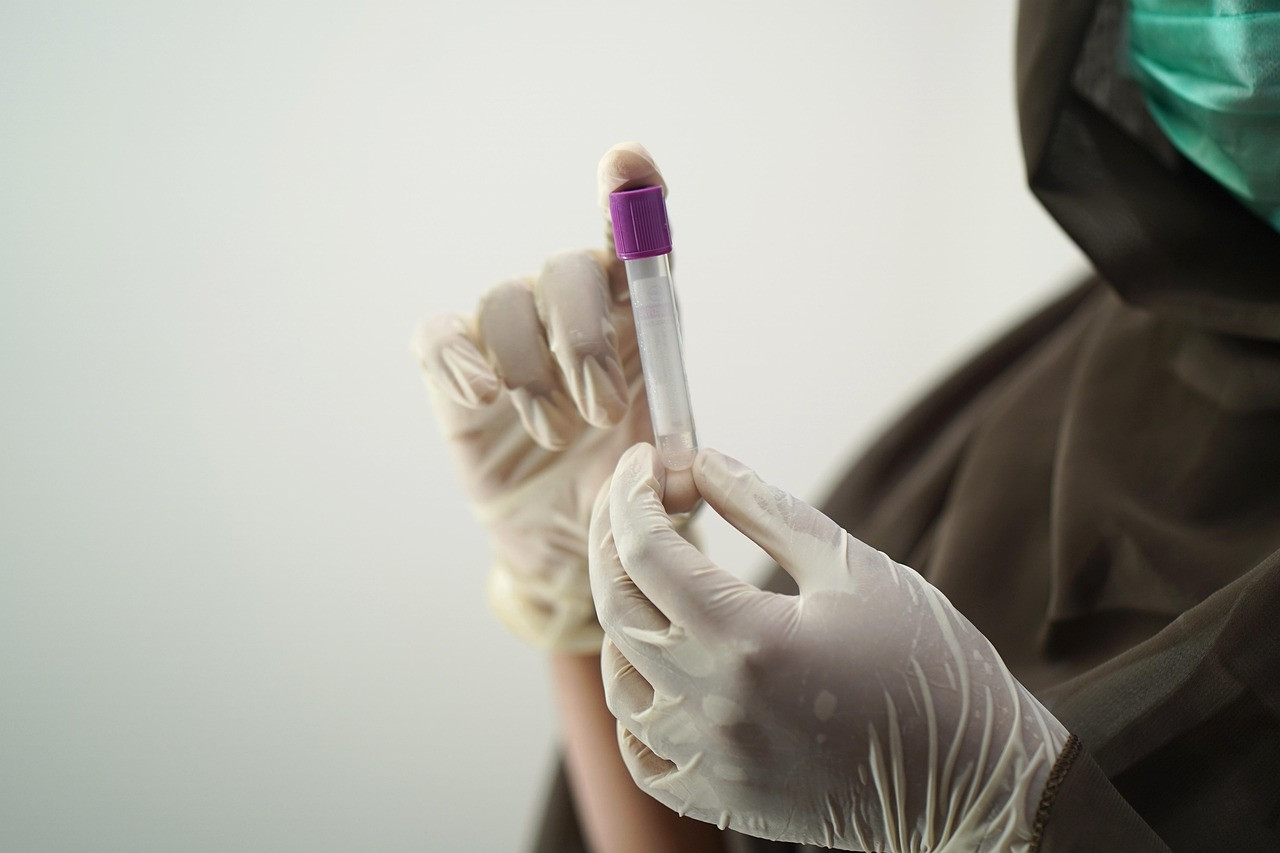
Representative image: shameersrk / Pixabay
Quest Diagnostics said on October 22, 2026 that hackers accessed its Quanum Lab Services Manager system and certain patient records; the scale is not yet known.
What Happened
Quest Diagnostics, a major US medical laboratory operator, disclosed on Thursday, October 22, 2026 that hackers gained unauthorised access to its Quanum Lab Services Manager (LSM) system and that certain patient records were affected. In a filing with the US Securities and Exchange Commission (SEC), the company said it discovered the activity on October 21, paused access to the system, notified federal law enforcement and brought in outside cybersecurity experts. It has not yet said how many people were affected.
Key Facts
- Disclosure: a Form 8-K filing with the SEC on October 22, 2026.
- System: Quanum Lab Services Manager, which some of Quest's clients, such as doctors' offices, use to order tests and receive and look up results.
- Discovery: Quest says it found the unauthorised activity on October 21, 2026.
- Data: the company says certain patient records were accessed; reports say the data may include health information and details that identify patients.
- Response: access to the system was paused, federal law enforcement was notified and external cybersecurity experts were engaged.
- Operations: Quest says the incident has not materially disrupted its business or its ability to serve patients.
- Unknown so far: the number of people affected and exactly which data fields were taken.
Why It Matters
Medical laboratories hold some of the most sensitive personal data there is: test results, diagnoses and the names, dates of birth and contact details that link them to individuals. A breach of such data can expose patients to fraud, identity theft and the distress of having private health information in the wrong hands. Unlike a password, a medical history cannot be changed.
The system affected is not one that patients use directly. Quanum LSM is used by Quest's clients, such as clinics and physician practices, to send test orders and see results. That makes it a gateway to records from many different healthcare providers at once, which is why attackers target such systems. By disclosing the incident within a day of discovering it, Quest has met the expectation that listed companies inform investors quickly about material cyber events, but the most important questions, about scale and the type of data taken, remain open.
The case also shows how breach reporting works in practice. A company typically confirms the incident first, then spends weeks investigating before it can say exactly whose data was exposed. Patients usually learn whether they are affected through a direct letter or email later. In the meantime, fraudsters sometimes use news of a breach to send fake messages pretending to come from the company.
For readers in India, the incident is a reminder of the obligations that will apply to Indian organisations as the Digital Personal Data Protection Act, 2023 comes fully into force, including the duty to protect personal data and to report breaches. Hospitals, diagnostic chains and health-tech start-ups in India handle similar records and face similar risks.
What users should do: patients of Quest should watch for an official notice from the company, check any unexpected message through Quest's official website or phone number rather than links in emails, and not share medical or account details with unsolicited callers.
| Date | Event |
|---|---|
| October 21, 2026 | Quest discovers unauthorised access to Quanum LSM |
| October 22, 2026 | Quest files SEC disclosure and confirms patient records were affected |
Impact
Short-term: Quest's clients may face delays or workarounds while access to the system is paused. The company will continue its investigation with outside experts and law enforcement.
Long-term: Depending on the number of people affected, Quest may face regulatory scrutiny and lawsuits, and healthcare providers may review how they connect to third-party lab systems.
Who is affected: Patients whose records were held in the system, the doctors and clinics that use Quanum LSM, Quest's investors, and regulators overseeing health data security.
Key Takeaway
Quest Diagnostics said on October 22, 2026 that hackers accessed its Quanum Lab Services Manager system and certain patient records, but it has not yet said how many people were affected.
Questions and Answers
What happened in the Quest Diagnostics data breach?
Quest Diagnostics told the SEC on October 22, 2026 that it found unauthorised access to its Quanum Lab Services Manager system on October 21 and that certain patient records were affected. It paused the system, informed federal law enforcement and hired outside cybersecurity experts.
What is Quanum LSM?
Quanum Lab Services Manager is a system some of Quest's clients, such as doctors' offices, use to order lab tests and receive and look up results. It is not the main app patients use directly.
How many people are affected by the Quest breach?
Quest has not yet said. It is still investigating the scope of the intrusion and which data was accessed.
What should patients do?
Watch for an official notice from Quest, verify any unexpected message through the company's official website or phone line, and avoid sharing medical or account details with unsolicited callers or links.
Disclaimer: Prepared by the Peepals newsroom from publicly available sources with AI assistance. Information is accurate to the best of our knowledge at the time of publication and may change. Images may be representative. Not professional advice. Report an error via our contact page.
Sourced and fact-checked by the Peepals Global Editorial Team
OpenAI nears $30 billion raise at $1.25 trillion valuation, UAE investors leading
Meta ordered to pay $25 billion in New Mexico Cambridge Analytica case
Reported, fact-checked and published by the Peepals Global Editorial Team.