

CERT-In WhatsApp warning: high-severity flaws, update to fixed versions now
 By Karan BansalTech Startups Correspondent, Peepals Tech
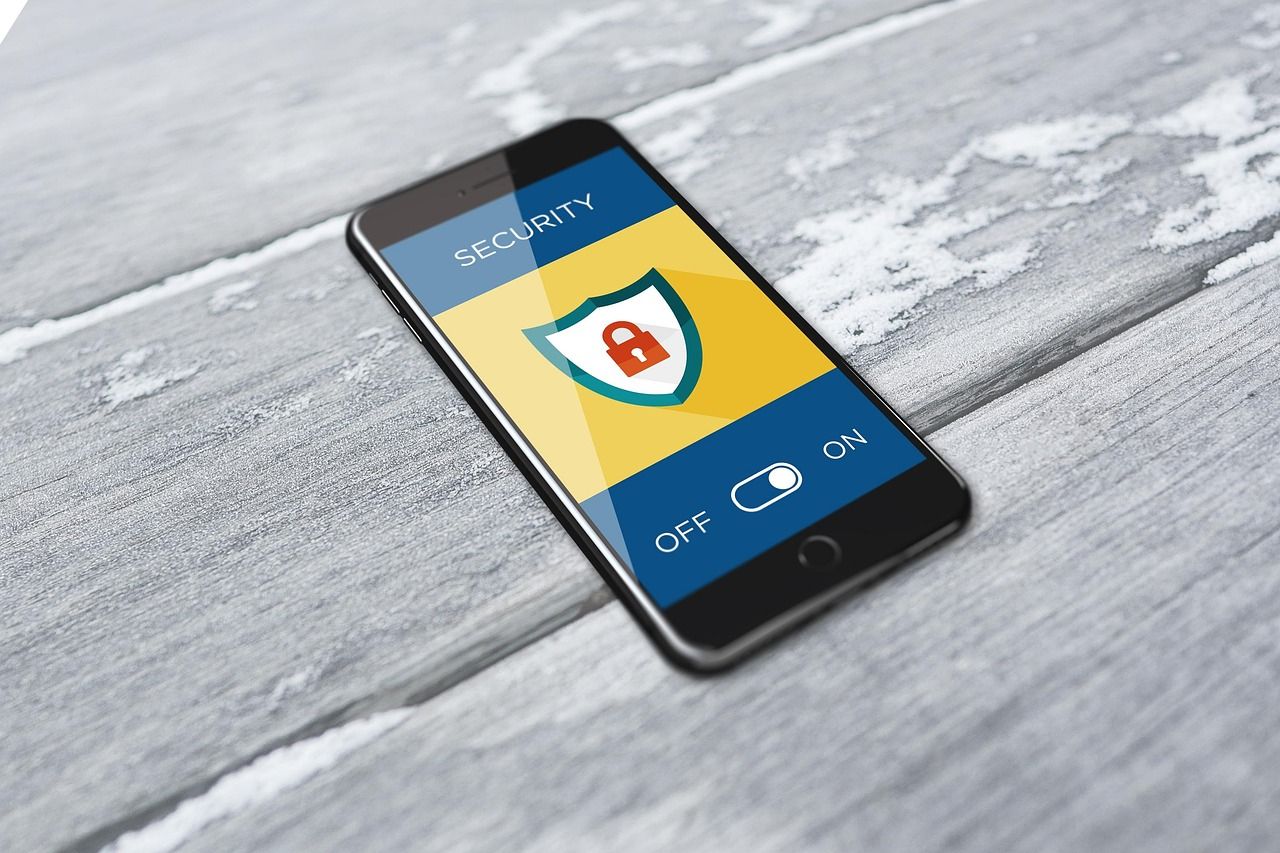
Representative image: BiljaST / Pixabay
CERT-In's note CIVN-2026-0576 of 26 November warns of high-severity WhatsApp flaws that could expose files, and asks users to update manually.
CERT-In WhatsApp warning: what happened
The Indian Computer Emergency Response Team (CERT-In) has warned WhatsApp users of high-severity security flaws in WhatsApp and WhatsApp Business on Android, iOS, Mac and Windows. Its vulnerability note CIVN-2026-0576, issued on Thursday, 26 November 2026, says attackers could exploit the flaws to reach personal photographs, videos, documents and other sensitive data on a user's device. CERT-In has asked users to update the apps manually to the fixed versions rather than wait for automatic updates.
CERT-In WhatsApp warning: key facts
- Advisory: CERT-In vulnerability note CIVN-2026-0576, dated 26 November 2026.
- Severity: rated high by CERT-In.
- Apps covered: WhatsApp and WhatsApp Business on Android and iOS, and WhatsApp for Mac and Windows.
- Flaws: the note lists several CVEs (Common Vulnerabilities and Exposures, the public catalogue numbers for security flaws), including CVE-2026-23863, CVE-2026-44908, CVE-2026-23866 and CVE-2026-23871.
- Types of flaw described in coverage of the note include an SQL injection issue in WhatsApp for Android, improper validation of certificate chains, and incomplete validation of links in advertisement replies.
- Risk named by CERT-In: access to photos, videos, documents and other sensitive information on the device.
- Fix: update to the versions listed below or later.
CERT-In WhatsApp warning: why it matters
Many people in India use WhatsApp not only for chats but also for work files, documents and family photos. A flaw that can expose stored files is therefore not a niche risk. CERT-In, which works under the Ministry of Electronics and Information Technology, is India's national agency for responding to cyber-security incidents, and its notes are a signal to users and to organisations that manage phones to act.
Some of the terms need explaining. An SQL injection flaw lets a carefully crafted piece of input be treated as a command by the app's internal database, which can expose or change data. Certificate chain validation is how an app checks that it is really talking to the right server; if it is done badly, an attacker can pose as a trusted server. Incomplete validation of links means a link in a message might lead somewhere it should not without the app catching it. CERT-In's note describes these as serious; WhatsApp's own security advisories, according to coverage comparing the two, describe the November issues in narrower terms. Either way, the fixed versions close them.
The practical step is simple: open the Play Store or App Store, check for a WhatsApp update and install it, and on a computer, update the desktop app. Automatic updates can take days to arrive, which is why CERT-In asks for a manual update.
Peepals timeline: CERT-In issued CIVN-2026-0544 on 10 November 2026, a critical warning for Google Chrome with one flaw already exploited. On 25 November it flagged a high-severity flaw in the DIGIT e-governance platform. On 26 November it issued CIVN-2026-0576 for WhatsApp, the third major consumer and government software warning from the agency this month.
| App | Update to this version or later |
|---|---|
| WhatsApp for Android | 2.26.35.74 |
| WhatsApp Business for Android | 2.26.23.70 |
| WhatsApp for iOS | 2.26.24.72 |
| WhatsApp Business for iOS | 2.26.23.72 |
| WhatsApp for Mac | 2.26.23.72 |
CERT-In WhatsApp warning: impact
Short-term: Users on older versions should update now. Companies and government offices that manage staff phones may push the update centrally.
Long-term: Regular CERT-In notes on widely used apps reinforce the habit of prompt updating, which is the main defence against known flaws once a fix is out.
Who is affected: WhatsApp and WhatsApp Business users on Android, iPhone, Mac and Windows who have not updated, especially those who keep work or financial documents in chats.
CERT-In WhatsApp warning: key takeaway
Open your app store today and update WhatsApp and WhatsApp Business on every device, including the desktop app on Windows or Mac.
CERT-In WhatsApp warning: questions and answers
Which WhatsApp versions are unsafe according to CERT-In?
Versions older than 2.26.35.74 on Android, 2.26.24.72 on iOS and 2.26.23.72 on Mac are affected, along with matching WhatsApp Business versions and older Windows builds. Updating to the latest version removes the risk.
What could an attacker do with these WhatsApp flaws?
CERT-In says attackers could exploit them to access personal photographs, videos, documents and other sensitive information stored on a user's device.
How do I update WhatsApp manually?
On a phone, open Google Play Store or the Apple App Store, search for WhatsApp, and tap Update. On a computer, update the WhatsApp desktop app through its store or the app's own update prompt.
Do I need to do anything other than update?
CERT-In's main advice is to update to the fixed versions. As usual, avoid opening links or files from unknown senders.
Disclaimer: Prepared by the Peepals newsroom from publicly available sources with AI assistance. Information is accurate to the best of our knowledge at the time of publication and may change. Images may be representative. Not professional advice. Report an error via our contact page.
By Karan Bansal, Tech Startups CorrespondentCovers Tech Start-ups & Stories and more for Peepals Tech. All stories by Karan Bansal
AI quantum gravity paper: Stanford physicist's GPT-6 Astra work splits experts
Himalayan 750 launched at Rs 4.89 lakh; bookings open December 1
Your week ahead, every Sunday. Free.
Exam and result dates, IPOs opening, scheme deadlines, government holidays and the RBI decision for the next 7 days, plus the week's top stories. One email a week, unsubscribe in one click.
Karan Bansal is a pen name of the Peepals Global Editorial Team, which researches, fact-checks and publishes every story. The portrait is an illustration.
Responsible for this story: the Peepals Global Editorial Team. How we report