
MeitY rewrites local content rules for laptops, servers in government buying
 By Karan BansalStaff Writer, Peepals Tech
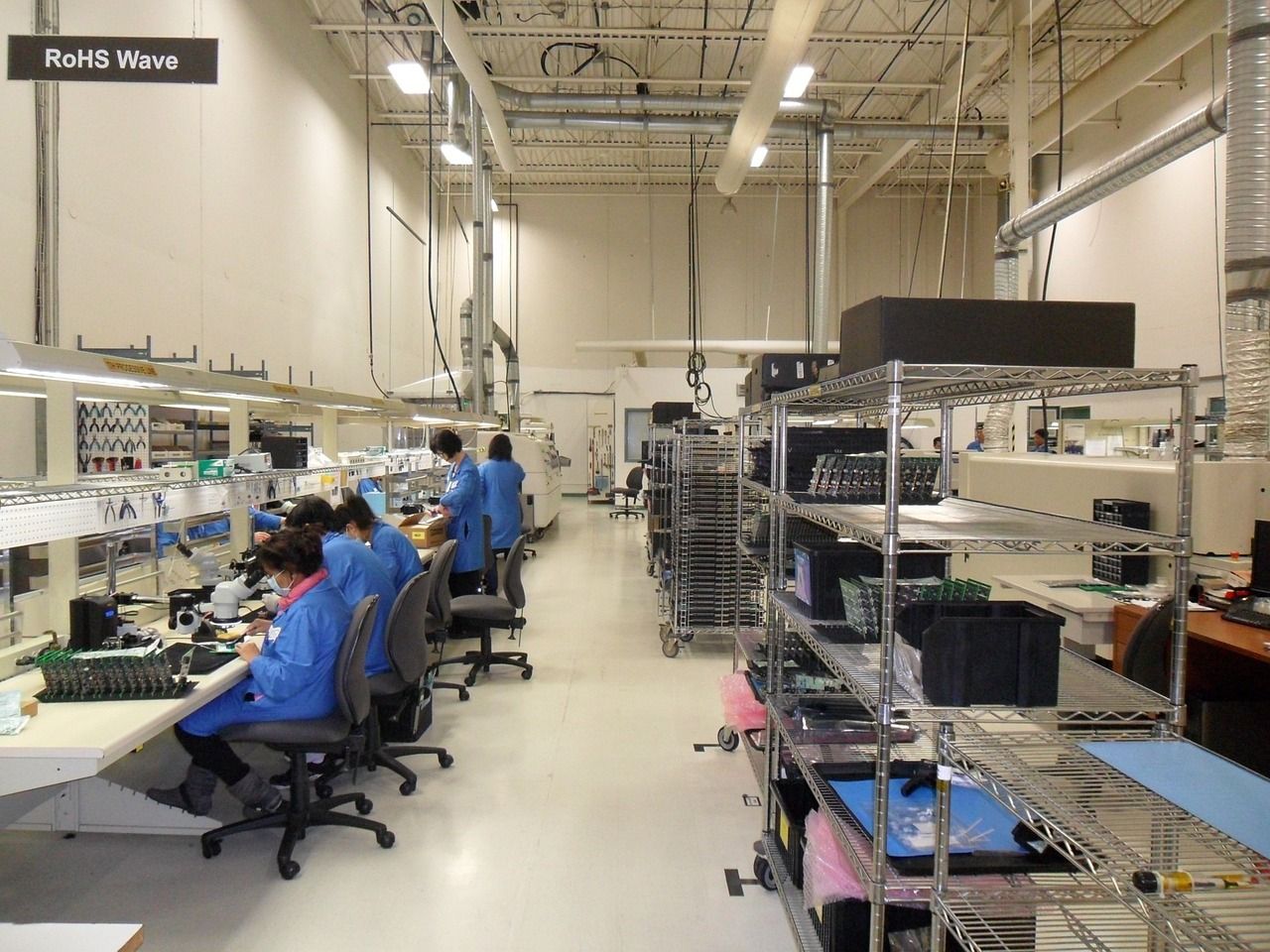
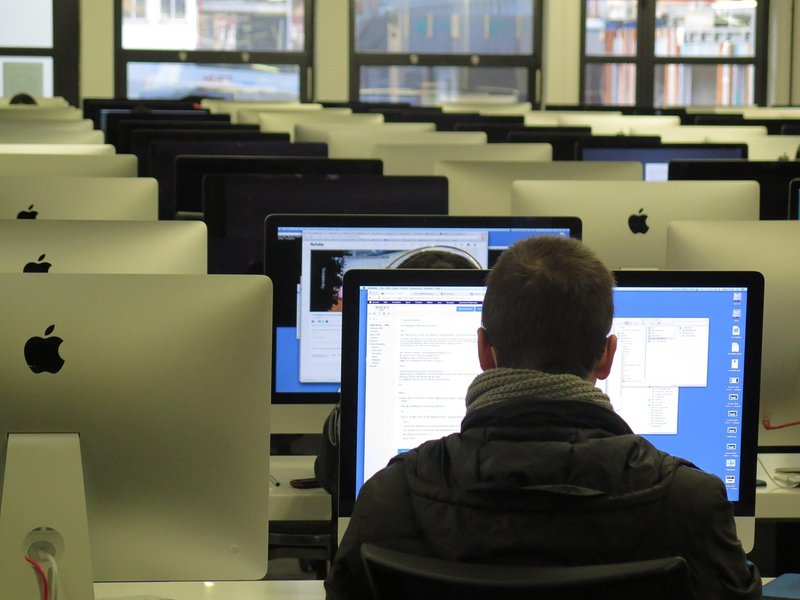
Representative image: PublicDomainPictures / Pixabay
MeitY on 20 November 2026 revised how domestic value addition is counted for laptops, PCs, servers and four other IT products sold to government buyers.
MeitY local content: what happened
The Ministry of Electronics and Information Technology (MeitY) on Friday, 20 November 2026, revised the method for calculating local content in six IT hardware products bought by government departments: desktop and all-in-one PCs, laptops, thin clients, servers, computer monitors and interactive flat panel displays. The change, made under the Public Procurement (Preference to Make in India) Order, replaces the ministry's 2020 method with a process-based calculation built on each product's bill of materials, and gives weight to research and development done in India. It takes effect six months after it is published in the Official Gazette.
MeitY local content: key facts
- Products: desktop and all-in-one PCs, laptops, thin clients, servers, monitors and interactive flat panel displays.
- What changes: domestic value addition (DVA), the share of a product's value created in India, will now be calculated from a bill of materials (BoM), the full list of parts and processes.
- Activities that count: mainboard assembly using surface mount technology (SMT), sourcing bare printed circuit boards in India, memory and storage assembly and testing, display assembly, Indian-made chassis and power modules, and final assembly and testing.
- R&D: eligible in-house research and development in India gets weight in the calculation.
- Paperwork: a standard format for DVA calculation and self-certification by manufacturers.
- Replaces: the corresponding provisions of MeitY's 7 September 2020 notification for these six products.
- Start: six months after publication in the Official Gazette.
MeitY local content: why it matters
Government departments and public bodies buy large numbers of computers, and under the Public Procurement (Preference to Make in India) Order, 2017, products with more local content get preference in those purchases. How "local content" is measured therefore decides which manufacturers can win government orders.
The new method spells out the specific manufacturing steps that count, starting with mounting chips and parts on the main circuit board using surface mount technology, which is the heart of electronics manufacturing. Listing the steps one by one ties a product's score to the work actually done in India, from the circuit board to final testing.
For people building careers in technology, this is where the opportunity lies. Each listed activity, SMT lines, board sourcing, memory and storage assembly, display assembly and testing, is a skilled job category in an electronics factory. When government buyers prefer products that do these steps in India, makers have a reason to set up or expand those lines, which creates demand for technicians, process and quality engineers, test engineers and supply-chain specialists. The R&D weighting adds a reason to employ hardware designers here, not only assembly staff.
The six-month gap before the rules apply gives manufacturers time to reorganise suppliers and documentation. The standard self-certification format should also make claims easier to check, though it places responsibility on companies to declare their value addition honestly.
Peepals timeline: On 7 September 2020, MeitY notified its earlier method for local content in IT hardware under the Make in India procurement order. On 20 November 2026, it revised the method for six products, introducing the bill-of-materials approach, R&D weighting and a standard self-certification format. The revised rules apply six months after their publication in the Official Gazette.
| Step | Old approach (2020 notification) | New approach (2026 revision) |
|---|---|---|
| How DVA is measured | earlier method for these products | process-based, bill-of-materials method |
| R&D in India | - | given weight |
| Declaration | - | standard self-certification format |
| Start | 7 September 2020 | six months after Gazette publication |
MeitY local content: impact
Short-term: Manufacturers selling to government buyers will review their bills of materials and suppliers to see how they score under the new method before it takes effect.
Long-term: Firms that move SMT, board sourcing, memory and display assembly into India stand to gain government orders, which can support more factory and engineering jobs in electronics.
Who is affected: Indian and global PC, laptop, server and display makers, electronics manufacturing service companies, component suppliers, government buyers, and technicians and engineers in electronics manufacturing.
What to watch next: the publication of the revised method in the Official Gazette, which starts the six-month clock.
MeitY local content: key takeaway
Engineering students and technicians should watch for electronics makers expanding SMT, testing and assembly lines in India as the new local-content rules approach their start date.
MeitY local content: questions and answers
Which products are covered by MeitY's revised local content rules?
Desktop and all-in-one PCs, laptops, thin clients, servers, computer monitors and interactive flat panel displays.
What is domestic value addition?
It is the share of a product's value that is created in India, through parts made here and manufacturing steps done here. It decides how much preference a product gets in government purchases.
When do the new rules apply?
Six months after the revised method is published in the Official Gazette.
How does this create jobs?
The rules count steps such as circuit board assembly, testing and display assembly done in India, giving makers a reason to carry out that work here and hire people to do it.
Disclaimer: Prepared by the Peepals newsroom from publicly available sources with AI assistance. Information is accurate to the best of our knowledge at the time of publication and may change. Images may be representative. Not professional advice. Report an error via our contact page.
By Karan Bansal, Staff WriterCovers Tech Start-ups & Stories and more for Peepals Tech. All stories by Karan Bansal
BHASHINI, NIELIT sign MoU to bring Indian-language AI into tech courses
Signal screenshot block: app shuts out Siri, Gemini AI agents from chats
Your week ahead, every Sunday. Free.
Exam and result dates, IPOs opening, scheme deadlines, government holidays and the RBI decision for the next 7 days, plus the week's top stories. One email a week, unsubscribe in one click.
Karan Bansal is a pen name of the Peepals Global Editorial Team, which researches, fact-checks and publishes every story. The portrait is an illustration.
Responsible for this story: the Peepals Global Editorial Team, led by editor Prashant Sonar. How we report