
Deepinder Goyal's Temple wearable: apology to doctors, 'not a medical device'
 By Pooja MehraIndustry Trends Analyst, Peepals Tech
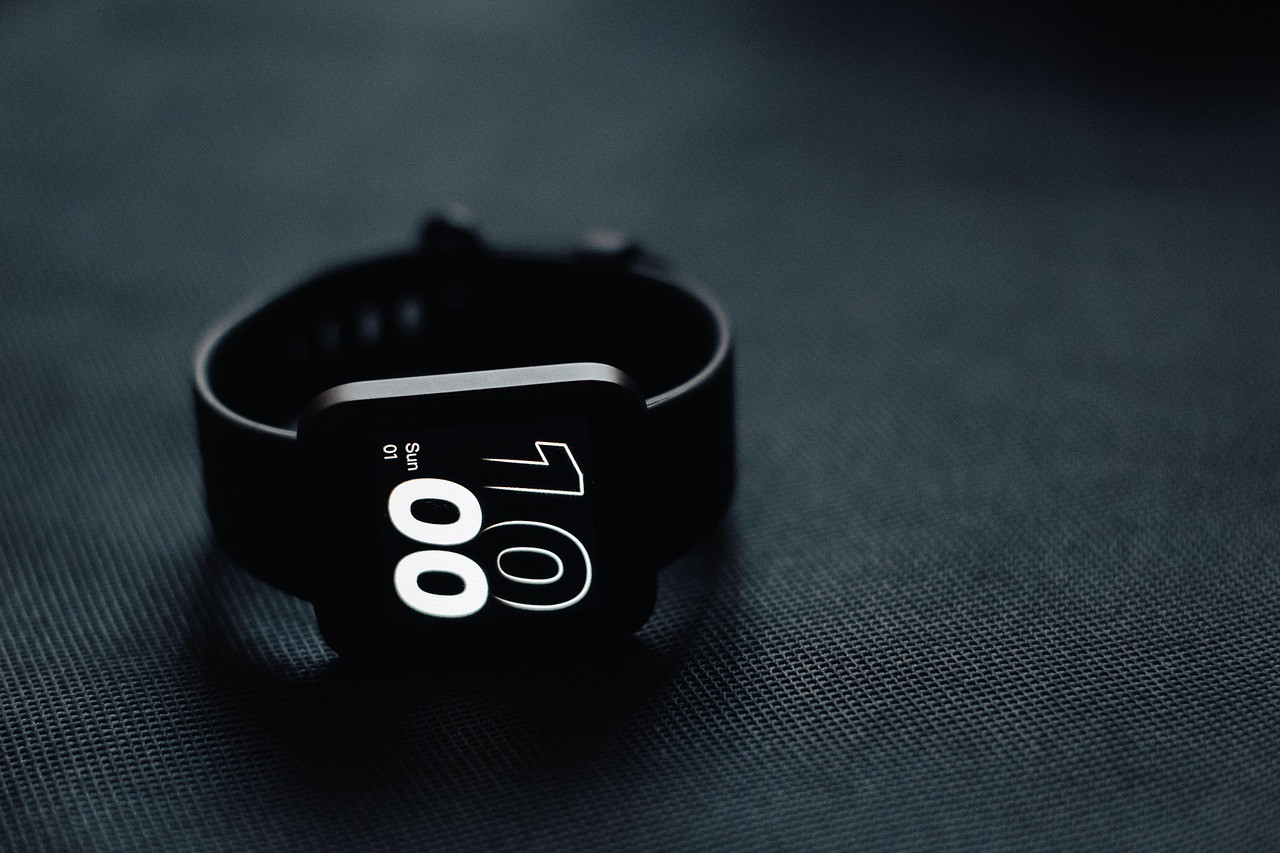
Representative image: indraprojects / Pixabay
Deepinder Goyal apologised for addressing all Indian doctors in a post defending his Rs 85,000 Temple brain-blood-flow wearable, which he calls a wellness device.
What Happened
Zomato founder Deepinder Goyal has apologised for addressing "all Indian doctors" in a social media post that defended Temple, the head-worn wearable his new company is selling, after medical professionals online questioned the device's claims. In a follow-up post on X on 6-7 November 2026, Goyal said he "should not have bucketed all Indian doctors into one single box" and that his anger was aimed at "a few influencer doctors". He has also said Temple is a wellness device, not a medical device. Early-access invitations list Temple at Rs 85,000.
Key Facts
- Temple is a sensor worn on the side of the head that the company says continuously tracks blood flow to the brain.
- The company says the device is meant for wellness and research, not for diagnosing any medical condition.
- Early-access invitations list the price at Rs 85,000, reportedly including a lifetime subscription; public pre-orders were to open on 1 November 2026.
- Goyal's first post, titled "Dear Concerned Indian Doctors", made seven points defending the product, including its 14-day return policy.
- In that post he said about $30 million had been spent on Temple, $20 million of it his own money.
- Temple earlier raised $54 million in a friends-and-family round, according to a February 2026 report.
Why It Matters
Goyal is one of India's best-known founders. He built the food-delivery company Zomato and has said he stepped back from his chief executive role at its parent, Eternal, to work on Temple. When a founder of his profile launches a health-related gadget, the claims attract close attention, and the row shows how quickly doctors, users and the public now test such claims online.
The dispute is about what the device can actually measure. Cerebral blood flow means the flow of blood through the brain. Doctors on social media have questioned whether a sensor on the temple, the flat area at the side of the forehead, can give a reliable picture of blood flow inside the brain. Some also said Goyal's money and personal commitment do not answer questions about scientific accuracy. Goyal has acknowledged that the product's scientific validation is still developing, and he has described Temple as a fitness tracker and wellness device.
His first post also made a business argument. He said that if Temple were a scam, buyers would know within days of using it, and that the 14-day, no-questions-asked return policy protects them. His later apology narrowed his criticism to what he called influencer doctors, whom he accused of skipping Temple's research and distorting facts.
Peepals calculation: Of the roughly $30 million Goyal says has been spent on Temple, his own $20 million is about two-thirds (20 ÷ 30 = 67%). The $54 million friends-and-family round reported in February is about 1.8 times the amount spent so far (54 ÷ 30). Our calculation from the reported figures.
| Item | What has been reported |
|---|---|
| What it is | Head-worn sensor the company says tracks brain blood flow |
| How it is positioned | Wellness and research, not diagnosis |
| Price in early-access invitations | Rs 85,000, reportedly with lifetime subscription |
| Return policy | 14 days, no questions asked, per Goyal |
| Spent so far | About $30 million, $20 million from Goyal, per Goyal |
Impact
Short-term: The apology may calm the public argument, but early buyers and doctors will keep asking for published evidence on what the readings mean. Pre-order customers can use the return window if the device does not meet their expectations.
Long-term: Temple's credibility will depend on peer-reviewed research showing that its readings are accurate and useful. The case is also likely to feed the wider debate on how India regulates consumer health gadgets that sit between fitness trackers and medical devices.
Who is affected: Buyers considering an expensive wellness wearable; athletes and fitness users, whom the company targets; doctors asked by patients about such devices; and investors in India's health-technology start-ups.
Key Takeaway
Deepinder Goyal apologised for a sweeping post aimed at Indian doctors, while maintaining that his Rs 85,000 Temple wearable is a wellness device whose scientific validation is still developing.
Questions and Answers
What is Deepinder Goyal's Temple device?
Temple is a head-worn wearable that, according to the company, continuously tracks blood flow to the brain. The company positions it for wellness and research, not for diagnosing disease.
Why did Deepinder Goyal apologise to doctors?
After doctors online questioned Temple's claims, Goyal posted a note addressed to "Concerned Indian Doctors". He later said he should not have put all Indian doctors in one box and that his criticism was meant for a few influencer doctors.
How much does the Temple wearable cost?
Early-access invitations list it at Rs 85,000, reportedly including a lifetime subscription. The company had not formally confirmed a final retail price.
Is Temple a medical device?
Goyal has said it is not a medical device and has described it as a fitness tracker and wellness device.
Disclaimer: Prepared by the Peepals newsroom from publicly available sources with AI assistance. Information is accurate to the best of our knowledge at the time of publication and may change. Images may be representative. Not professional advice. Report an error via our contact page.
By Pooja Mehra, Industry Trends AnalystCovers Industry News & Trends and more for Peepals Tech. All stories by Pooja Mehra
foundit Career Reset Survey 2027: 68% of professionals plan a job switch
NASA astronaut applications open till December 3 for Moon Base class
Get the day's stories in your inbox
Peepals Weekly: the week decoded, free. One email a week, unsubscribe in one click.
Pooja Mehra is a pen name of the Peepals Global Editorial Team, which researches, fact-checks and publishes every story. The portrait is an illustration.