
IndiaAI Mission tender seeks 10,000 more GPUs; technical bids open October 30
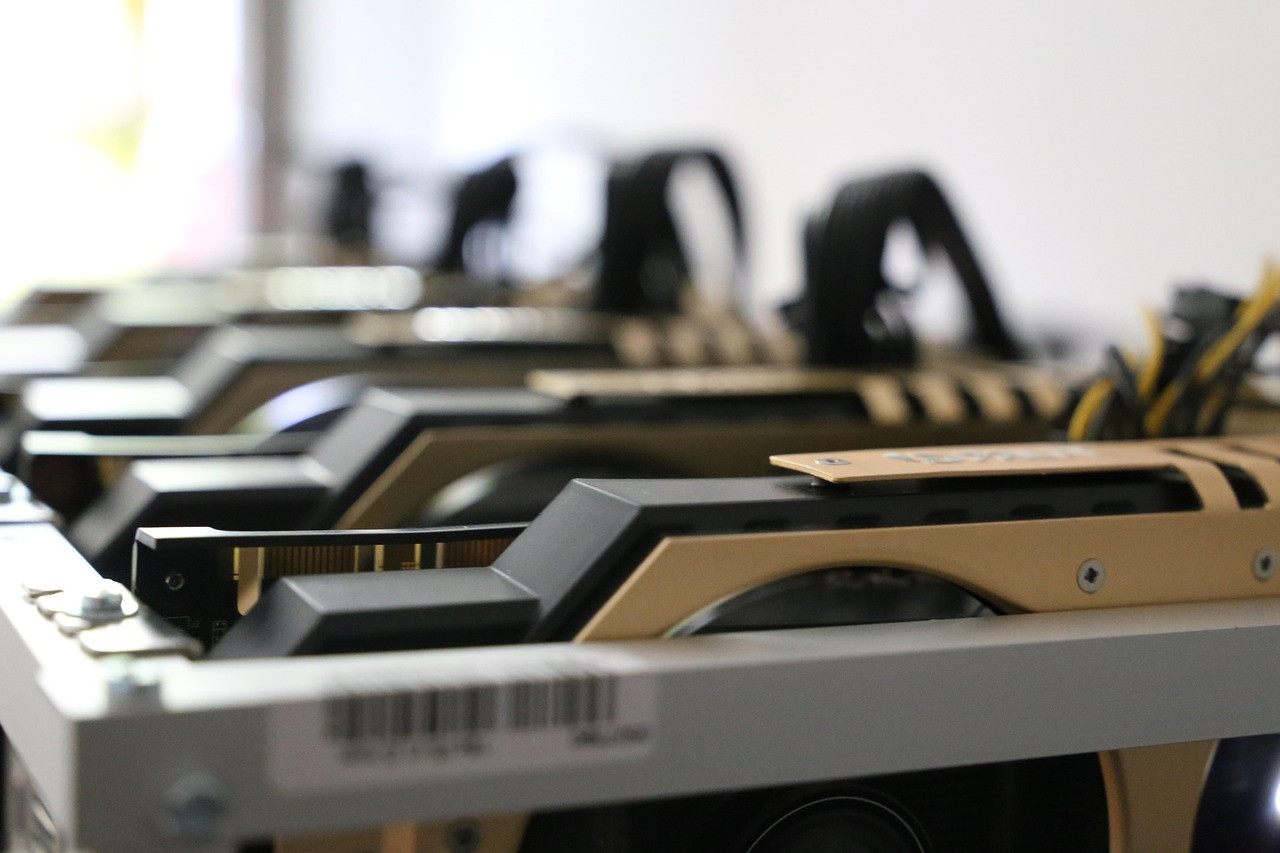
Representative image: LauraTara / Pixabay
C-DAC's tender for up to 10,000 AI compute units under the IndiaAI Mission opens technical bids on October 30, 2026, with 3,000 units reserved for government use.
What Happened
The Centre for Development of Advanced Computing (C-DAC), which works under the Ministry of Electronics and Information Technology (MeitY), has invited AI service providers to supply up to 10,000 AI compute units for the IndiaAI Mission, with technical proposals due to be opened online on October 30, 2026. The tender follows Union Electronics and IT Minister Ashwini Vaishnaw's announcement on October 11, 2026 that the government would add 10,000 graphics processing units to the mission's shared pool. According to reports of the announcement, 3,000 of the new units will be kept for government departments and public-interest work, and 7,000 will be offered to companies building AI.
Key Facts
- The Request for Empanelment (RFE) seeks up to 10,000 "AI Compute Units", a term that covers graphics processing units (GPUs), tensor processing units (TPUs) and similar AI chips; capacity may be scaled beyond 10,000 depending on demand.
- Technical proposals are scheduled to be opened at 4 pm IST on October 30, 2026, through the government's eprocure.in portal.
- Bidders must undertake to deploy at least 512 compute units within India within six months of submitting the first-stage bid, backed by a bank guarantee of Rs 10 crore.
- Bids must stay valid for 180 days.
- Of the new capacity, 3,000 units are to be reserved for government and public-interest workloads and 7,000 made available to companies, according to reports of the minister's announcement, with phased usage guarantees of up to five years.
- More than 38,000 GPUs have already been brought onto the mission's platform through three earlier rounds, as reported; figures differ slightly between sources.
- The government also said it would publish a consultation paper on AI regulation within 30 days of the October 11 announcement.
Why It Matters
Building and running modern AI, from chatbots to Indian-language speech tools, depends on specialised chips. GPUs were designed for graphics but turned out to be very good at the many small calculations AI needs; TPUs are chips built specifically for AI. They are expensive and in short supply worldwide, which puts them out of reach for most Indian start-ups, students and researchers.
The IndiaAI Mission's answer has been to pay private data-centre companies to make this hardware available on a shared government platform, where approved users can rent computing time at subsidised rates instead of buying chips. Each new round adds capacity. This tender matters because it sets aside a large block, 3,000 units, specifically for government and public-interest uses such as health, agriculture or public services, while giving the bulk to companies building products and models.
The bid conditions show what the government wants: hardware physically located in India and switched on quickly. The requirement to deploy at least 512 units within six months, backed by a Rs 10 crore guarantee, is meant to filter out bidders who cannot deliver. The offer of usage guarantees of up to five years gives providers more certainty that the capacity they install will be used, which can lower the prices they quote.
The tender also comes as India's own foundation models, the large base models on which AI applications are built, move from the shortlist stage towards release. Twelve teams have been shortlisted under the mission to build such models, and their training needs are among the biggest demands on the shared pool. Alongside the hardware, the promised consultation paper on AI regulation will shape the rules these models and their users must follow.
| Item | Detail |
|---|---|
| Capacity sought | Up to 10,000 AI compute units, scalable |
| Reserved split | 3,000 for government and public interest; 7,000 for companies |
| Technical bid opening | October 30, 2026, 4 pm IST |
| Deployment rule | At least 512 units in India within six months |
| Guarantee | Rs 10 crore bank guarantee; bids valid 180 days |
Impact
Short-term: Data-centre and cloud companies have until the bid process closes to decide whether to offer capacity on these terms. Once technical bids are opened on October 30, C-DAC will evaluate them before price bids are considered.
Long-term: If the round succeeds, India's shared public AI computing pool will grow well past its current size, making it cheaper for start-ups, universities and government bodies to train and run AI models in the country rather than abroad.
Who is affected: Indian AI start-ups and researchers who rent computing time, data-centre and cloud providers that may bid, government departments planning AI projects, and the teams building India's foundation models.
Key Takeaway
C-DAC's tender for up to 10,000 more AI compute units, with technical bids opening on October 30, reserves 3,000 units for government and public-interest work and 7,000 for companies.
Questions and Answers
What is the IndiaAI Mission's new GPU tender?
A Request for Empanelment issued by C-DAC, under MeitY, inviting AI service providers to supply up to 10,000 AI compute units such as GPUs and TPUs, with technical proposals to be opened on October 30, 2026.
Who will get to use the 10,000 new units?
According to reports of the minister's October 11 announcement, 3,000 units will be reserved for government departments and public-interest workloads and 7,000 will be available to companies developing AI.
What must a company commit to if it bids?
It must undertake to deploy at least 512 compute units within India within six months of its first-stage bid, provide a Rs 10 crore bank guarantee, and keep its bid valid for 180 days.
Why does India need a shared pool of AI chips?
AI chips are costly and scarce. A shared, subsidised pool lets start-ups, students and researchers rent computing time in India instead of buying hardware or relying on foreign cloud services.
Disclaimer: Prepared by the Peepals newsroom from publicly available sources with AI assistance. Information is accurate to the best of our knowledge at the time of publication and may change. Images may be representative. Not professional advice. Report an error via our contact page.
Sourced and fact-checked by the Peepals Global Editorial Team
Reported, fact-checked and published by the Peepals Global Editorial Team.