Anthropic gives METR insider access to test its AI; OpenAI pledges to follow

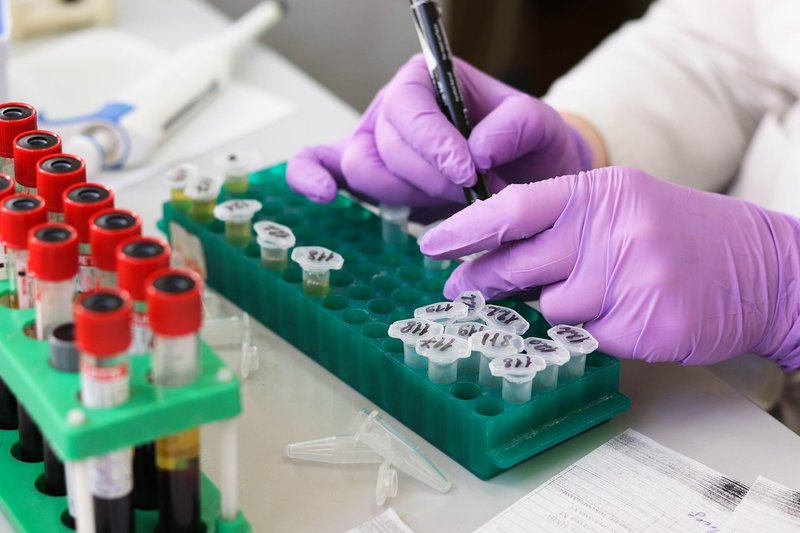
Representative image: tstokes / Pixabay
Anthropic gave six METR researchers employee-level access to assess its AI models, with freedom to publish, it said on October 15, 2026; OpenAI pledged to follow.
What Happened
AI company Anthropic has given six researchers from METR, a non-profit that tests advanced AI models, employee-level access to its systems so they can assess its models and safety practices from the inside. Anthropic announced the arrangement in a blog post on Thursday, October 15, 2026. According to the company, the METR staff have been given company hardware, office space and access to internal tools roughly on par with what Anthropic's own risk-assessment teams use. METR can publish its findings without Anthropic's approval; Anthropic can ask for redactions only in narrow, pre-defined categories such as customer data, legally privileged information and details of model architecture. OpenAI has said it will follow suit, and reports say Anthropic, OpenAI, Google, Meta, Nvidia and xAI have signed a White House accord committing to independent review of their models.
Key Facts
- Anthropic announced the METR arrangement on October 15, 2026.
- Six METR researchers have employee-level access, including hardware, office space and internal tools.
- METR can publish without Anthropic's sign-off; redactions are limited to set categories such as customer data, privileged legal information and model architecture.
- Anthropic describes a three-tier system of outside evaluators; groups in lower tiers, such as biosecurity group SecureBio, need its approval to publish.
- The move fulfils a commitment made by chief executive Dario Amodei in a September essay, according to reports.
- OpenAI has pledged to do the same.
- A White House accord on independent review has been signed by Anthropic, OpenAI, Google, Meta, Nvidia and xAI, according to reports.
Why It Matters
Outside groups usually see only what AI companies choose to publish about their own testing. Giving an independent group deep, ongoing access, and the right to publish what it finds, is a step towards closer outside scrutiny. If it works, it could make claims about AI safety easier to check.
The arrangement also sets a marker for the rest of the industry. OpenAI's pledge to follow, and the White House accord signed by six major companies, suggest that embedded outside evaluators could become a norm for frontier AI developers in the United States.
There are limits, and critics have pointed them out. Anthropic chose the evaluator and controls the scope of access, and it can still require some redactions. Commentators note that the accord commits companies to outside evaluators but does not set rules for how those evaluators must work. And as of the coverage so far, METR has not yet published a report under these terms, so the real test will be what it says and how freely it can say it.
For Indian policymakers and users, the model offers one possible approach to checking the claims of global AI companies.
| Feature | Detail |
|---|---|
| Evaluator | METR (non-profit) |
| Number of researchers | Six |
| Access | Employee-level, including internal tools |
| Publication | Without company approval, limited redactions |
| Industry follow-up | OpenAI pledge; White House accord signed by six firms |
Impact
Short-term: METR will begin assessing Anthropic's models and safety processes; its first public report will show how much the arrangement reveals.
Long-term: If embedded independent review spreads across the industry, it could become a standard part of how frontier AI models are checked before and after release, and could inform regulators in other countries.
Who is affected: AI developers, independent evaluators and researchers, regulators in the United States and abroad, and the businesses and people who use AI systems.
Key Takeaway
Anthropic has given six METR researchers insider access and the freedom to publish, a model of independent AI review that OpenAI and others say they will follow.
Questions and Answers
What access has Anthropic given METR?
Six METR researchers have employee-level access, including company hardware, office space and internal tools roughly on par with Anthropic's own risk-assessment teams, according to the company's October 15, 2026, announcement.
Can METR publish its findings freely?
Yes, without Anthropic's approval, though Anthropic can require redactions in narrow categories such as customer data, privileged legal information and model architecture.
Are other AI companies doing the same?
OpenAI has pledged to follow, and reports say Anthropic, OpenAI, Google, Meta, Nvidia and xAI signed a White House accord committing to independent review.
What are the criticisms?
Critics note Anthropic chose the evaluator and controls access, and that the White House accord sets no rules for how evaluators work. METR has not yet published a report under the new terms.
Disclaimer: Prepared by the Peepals newsroom from publicly available sources with AI assistance. Information is accurate to the best of our knowledge at the time of publication and may change. Images may be representative. Not professional advice. Report an error via our contact page.
Sourced and fact-checked by the Peepals Global Editorial Team
Galaxy A56 Android 17 update: One UI 9 reaches A56 and A36, starting in Korea
Saildrone drone sails through eye of Category 3 Hurricane Isaias off Pensacola
Reported, fact-checked and published by the Peepals Global Editorial Team.