
Miko maker Inner Sky Labs unveils India-built physical AI models and Kavach safety layer
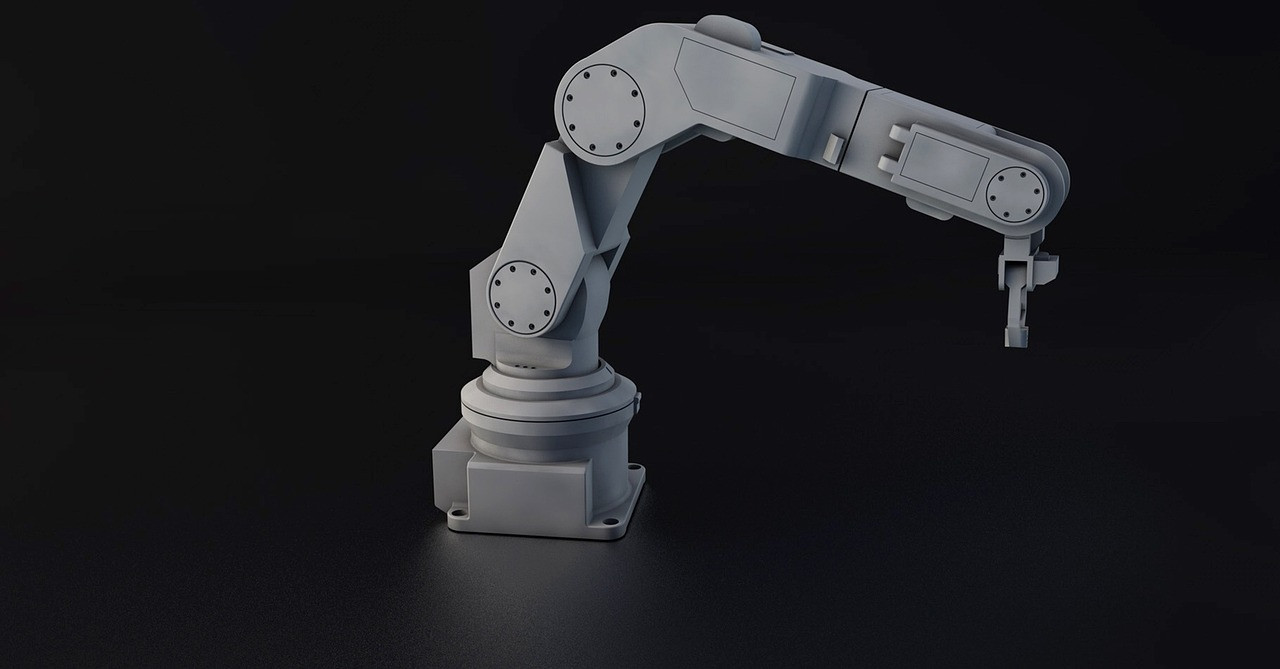
Representative image: PIRO4D / Pixabay
Inner Sky Labs, maker of the Miko robot, unveiled India-built physical AI models and a Kavach safety layer, reported around October 8, 2026, and is raising Rs 300 crore.
What Happened
Inner Sky Labs, the company behind the Miko companion robot for children, has unveiled a set of India-built foundation models for "physical AI", the artificial intelligence that lets machines see, hear, feel and act in the real world. The launch, reported around October 8, 2026, includes three perception models named Drishti (vision), Shruti (audio) and Sparsh (touch), three action models named Kriya, Prana and Karma that handle planning and movement, and a safety layer called Kavach that checks what a machine is about to do and blocks actions it judges unsafe. Inner Sky Labs is the new umbrella brand over the same company that owns Miko, which was founded in 2015 by IIT Bombay alumni and is led by chief executive Sneh Vaswani. The company is also raising Rs 300 crore, about 30.9 million US dollars.
Key Facts
- Inner Sky Labs is the new umbrella brand of the company that makes the Miko children's robot.
- The company was founded in 2015 by IIT Bombay alumni; Sneh Vaswani is its CEO.
- Perception models: Drishti for vision, Shruti for audio and Sparsh for touch.
- Action models: Kriya, Prana and Karma, which cover planning and movement.
- Kavach is a safety layer that reviews proposed machine actions and blocks unsafe ones.
- The platform is open to qualified partners by invitation and can run in the cloud, on a customer's own servers or on the device itself.
- Target sectors include manufacturing, logistics, agriculture and healthcare.
- The company is raising Rs 300 crore (about 30.9 million US dollars).
Why It Matters
Most of the AI boom so far has been about software: chatbots, image generators and coding assistants. The next wave, which investors and companies around the world are now chasing, is physical AI, where models control robots, vehicles and machines. That requires a different kind of model, one that can combine what a machine sees and feels with decisions about how to move, in real time and safely. Very few Indian companies have tried to build such foundation models themselves, so a launch of a full stack, from perception to action to safety, is a notable step for the country's AI ecosystem.
The company's background gives it a head start. Miko robots already interact with children at home, which means the team has experience building machines that must understand speech, recognise faces and objects, and respond safely around people. Turning that experience into general-purpose models for factories, warehouses, farms and hospitals is a natural, though ambitious, extension.
Safety is the part that will decide adoption. A chatbot that makes a mistake produces a wrong answer; a robot that makes a mistake can damage goods or hurt someone. A dedicated layer like Kavach, which sits between the model's decision and the machine's action, reflects how seriously the industry is starting to take this problem. Whether it works in practice will only become clear as partners test it.
The option to run the models on a customer's own infrastructure, and to set the rules for how they behave, is pitched as a form of sovereign AI. That matters to Indian businesses and public bodies wary of sending sensitive operational data to foreign cloud services, and it fits the wider national push to build home-grown AI capability.
| Model | Role |
|---|---|
| Drishti | Vision |
| Shruti | Audio |
| Sparsh | Touch |
| Kriya, Prana, Karma | Planning and movement |
| Kavach | Safety check on machine actions |
Impact
Short-term: Selected partners in manufacturing, logistics, agriculture and healthcare can begin testing the models by invitation, while the company works on its Rs 300 crore fundraise.
Long-term: If the models perform well, Indian makers of robots and automated machines could build on a domestic AI platform instead of relying only on foreign ones. The platform's success will depend on real-world results, safety record and the funding the company can secure.
Who is affected: Indian robotics and automation companies; factories, warehouses, farms and hospitals considering AI-driven machines; investors in Indian deep-tech; and policymakers working on India's AI ambitions.
Key Takeaway
The maker of Miko has launched India-built physical AI models with a dedicated safety layer, aiming to bring home-grown AI into factories, farms and hospitals.
Questions and Answers
What has Inner Sky Labs launched?
A set of foundation models for physical AI, reported around October 8, 2026: Drishti, Shruti and Sparsh for vision, audio and touch; Kriya, Prana and Karma for planning and movement; and Kavach, a safety layer that blocks unsafe machine actions.
Is Inner Sky Labs a new company?
No. It is the new umbrella brand over the company that makes the Miko robot for children, founded in 2015 by IIT Bombay alumni and led by CEO Sneh Vaswani.
What is physical AI?
It is artificial intelligence that perceives and acts in the physical world through machines such as robots, rather than working only as software on a screen.
Who can use the models?
For now, qualified partners by invitation. The models can run in the cloud, on a customer's own servers or on devices, and are aimed at manufacturing, logistics, agriculture and healthcare.
Disclaimer: Prepared by the Peepals newsroom from publicly available sources with AI assistance. Information is accurate to the best of our knowledge at the time of publication and may change. Images may be representative. Not professional advice. Report an error via our contact page.
Sourced and fact-checked by the Peepals Global Editorial Team
AMD unveils Helion, a 32,768-core CPU rack built for AI agents
Chip start-up Ubitium raises $14 million to put AI, sensing and control on one processor
Reported, fact-checked and published by the Peepals Global Editorial Team.