
Chip start-up Ubitium raises $14 million to put AI, sensing and control on one processor
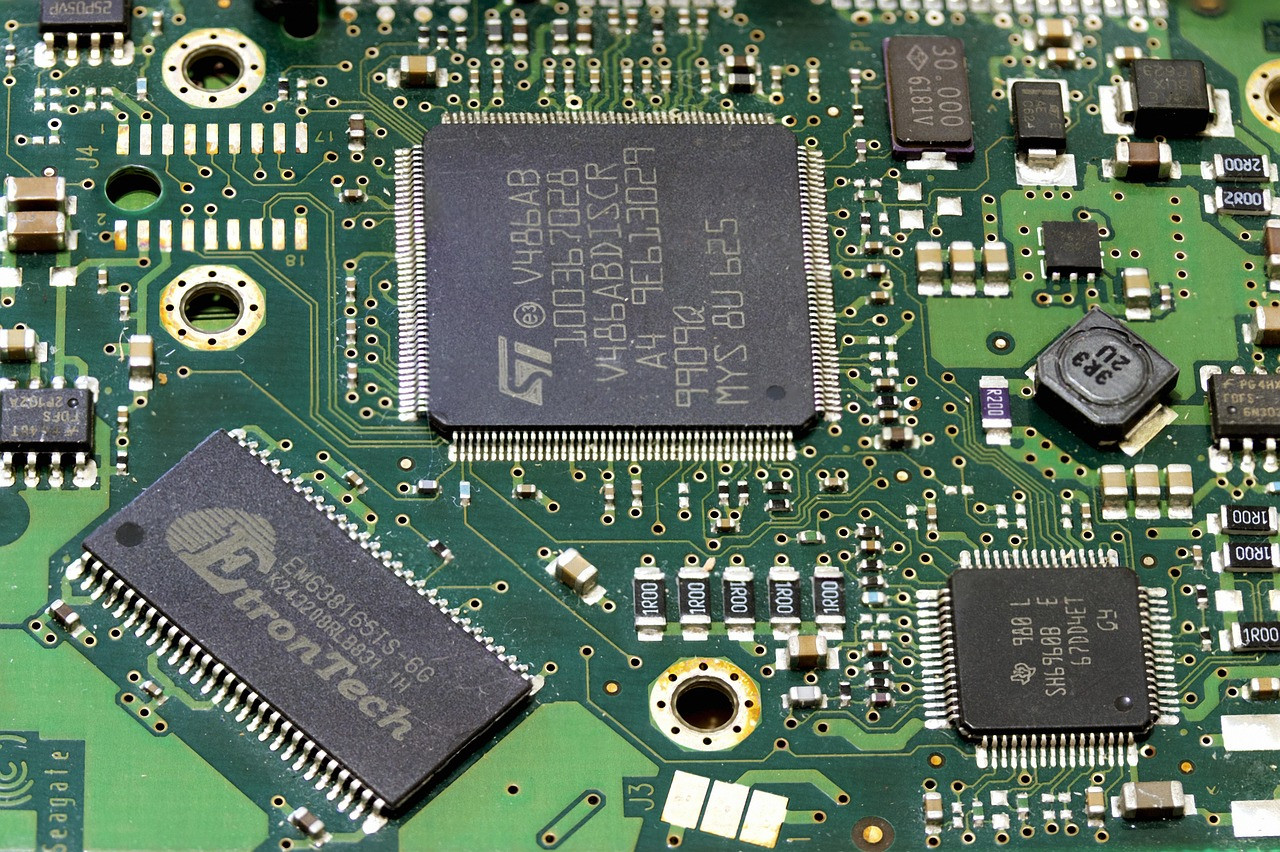
Representative image: Panals / Pixabay
German chip start-up Ubitium raised a $14 million seed round led by Ibex Investors, reported October 13, 2026, for one processor that runs sensing, AI and control.
What Happened
Ubitium, a German chip start-up developing a single processor that can handle sensing, artificial intelligence and real-time control for machines, has raised a 14 million US dollar seed round, according to reports published on Tuesday, October 13, 2026. The round was led by Ibex Investors, with OpenOcean joining and existing investors KBC Focus Fund, Runa Capital and Inflection taking part. Florian Seibel, co-founder and co-chief executive of the drone maker Quantum Systems, also invested personally. The new money brings Ubitium's total seed funding to about 18 million dollars since the company was founded in 2024.
Key Facts
- Ubitium raised 14 million US dollars in a seed round reported on October 13, 2026.
- Ibex Investors led the round; OpenOcean joined, and KBC Focus Fund, Runa Capital and Inflection reinvested.
- Quantum Systems co-founder Florian Seibel invested in a personal capacity.
- Total seed funding now stands at about 18 million dollars; the company launched in 2024 with a round of about 3.7 million dollars.
- Its processor is reconfigurable and designed for robots, drones, vehicles and industrial machines.
- One chip architecture is meant to run sensing, AI inference and real-time control, replacing several separate chips.
- A larger next-generation chip is planned, with evaluation units expected in 2027.
Why It Matters
Robots, drones and smart machines today usually carry several kinds of chips: one to read sensors, one to run AI models, and one to control motors and movement in real time. Each adds cost, power use and design complexity, and engineers have to make them work together. Ubitium's pitch is that one flexible processor can do all three jobs. If that works at scale, it could make machines cheaper to build and easier to update, because the same hardware can be reconfigured for new tasks.
The timing reflects a wider shift in technology investment towards what the industry calls physical AI: artificial intelligence that acts in the real world through machines, not only through screens and chatbots. Investors have poured money into AI models and data centres; the next contest is over the chips that sit inside robots, delivery drones, factory arms and vehicles. A seed round of this size for a hardware company is a sign of that interest, since chip design is expensive and slow compared with software.
The presence of a drone industry founder among the backers is also telling. Drone makers are among the customers most in need of compact, power-efficient computing that can sense, think and react without relying on a distant server. Backing from someone who builds such machines suggests the product is aimed at real engineering needs, though the company still has to prove its chips in production.
For Indian readers, the story is relevant on two fronts. India is building its own semiconductor and electronics manufacturing base and has a fast-growing drone and robotics start-up scene. Processors that simplify machine design could lower costs for Indian makers of drones, farm robots and industrial automation, while start-ups in India's chip design sector face the same challenge of turning a new architecture into a product customers will adopt.
| Detail | What was reported |
|---|---|
| Amount | 14 million US dollars, seed round |
| Lead investor | Ibex Investors |
| Other backers | OpenOcean, KBC Focus Fund, Runa Capital, Inflection, Florian Seibel |
| Total seed funding | About 18 million dollars since 2024 |
| Target uses | Robots, drones, vehicles, industrial machines |
Impact
Short-term: The funding lets Ubitium continue development of its chips and work towards its next-generation processor, with evaluation units planned for 2027.
Long-term: If one reconfigurable processor can replace several specialised chips, makers of robots and drones could cut cost and power use and update machines more easily. The idea still has to prove itself against established chip makers and in demanding real-world conditions.
Who is affected: Makers of robots, drones, vehicles and industrial machines; chip designers and investors in semiconductor start-ups; and engineers, including in India, who build systems that need sensing, AI and control on board.
Key Takeaway
Ubitium's 14 million dollar seed round is a bet that one flexible chip can replace the several processors inside today's robots and drones.
Questions and Answers
How much did Ubitium raise and who led the round?
Ubitium raised a 14 million US dollar seed round, reported on October 13, 2026, led by Ibex Investors, with OpenOcean, KBC Focus Fund, Runa Capital, Inflection and Quantum Systems co-founder Florian Seibel also investing.
What does Ubitium's chip do?
It is a reconfigurable processor designed to handle sensing, AI inference and real-time control on one architecture, so machines such as robots and drones need fewer separate chips.
What is physical AI?
Physical AI refers to artificial intelligence that operates in the real world through machines, such as robots, drones and vehicles, rather than only in software on screens or servers.
How much has Ubitium raised in total?
With this round, its total seed funding is about 18 million dollars since it was founded in 2024.
Disclaimer: Prepared by the Peepals newsroom from publicly available sources with AI assistance. Information is accurate to the best of our knowledge at the time of publication and may change. Images may be representative. Not professional advice. Report an error via our contact page.
Sourced and fact-checked by the Peepals Global Editorial Team
Miko maker Inner Sky Labs unveils India-built physical AI models and Kavach safety layer
Vivo X Fold6 goes on sale in India at Rs 2,19,999, Rs 70,000 above X Fold5
Reported, fact-checked and published by the Peepals Global Editorial Team.