
NIIT's AI courses hit 12.4% of revenue as IT clients cut training
 By Karan BansalTech Startups Correspondent, Peepals Tech
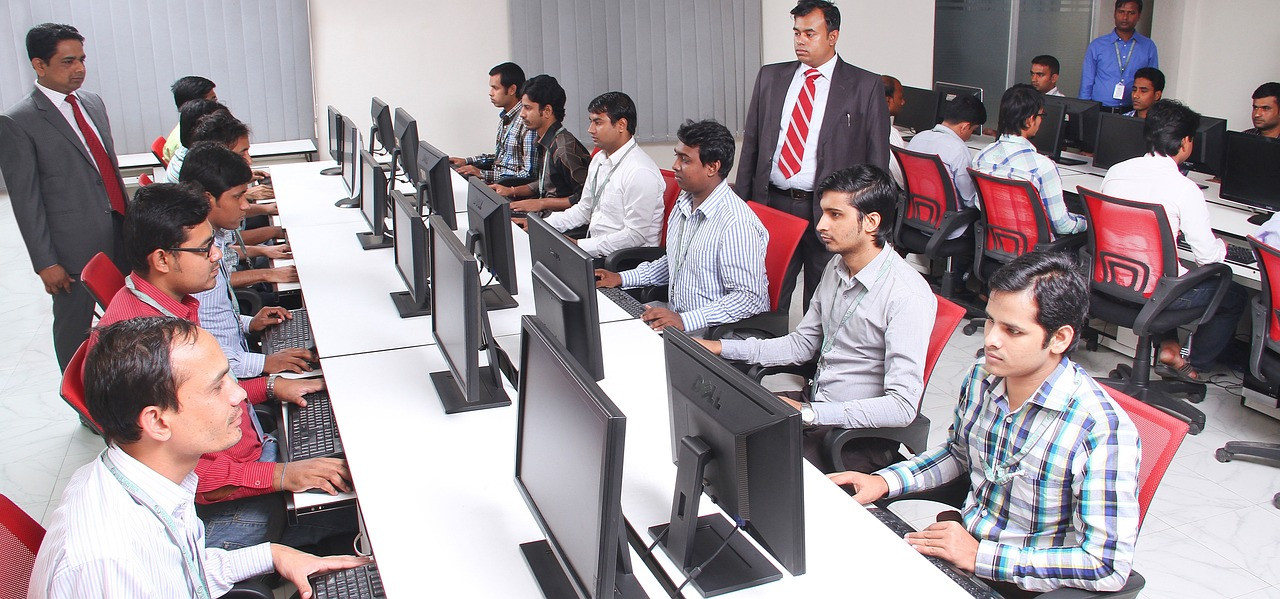
Representative image: selenajain / Pixabay
NIIT's AI-linked revenue rose to 12.4% of sales in July-September 2026, its October 27 results show, but total revenue fell 6% as big IT firms moved training in-house.
What Happened
NIIT Limited, the technology training company, said on Tuesday, October 27, 2026, that courses and services linked to artificial intelligence (AI) rose to 12.4% of its revenue in the July-September quarter, up from 9% in the previous quarter. But its total revenue fell about 6% from a year earlier to around Rs 98.2 crore, and the company slipped to a small net loss, because its largest technology-services clients cut back on training they buy from outside and moved more of it in-house, the company's management said.
Key Facts
- Revenue: about Rs 98.2 crore in Q2 FY27, up about 3% from the previous quarter but down about 6% from a year earlier.
- AI share: revenue directly linked to AI rose to 12.4% of the total, from 9% in Q1.
- Operating profit (EBITDA): about Rs 2.7 crore, up from Rs 1.3 crore a year earlier, helped by cost control.
- Bottom line: a small consolidated net loss, against a profit a year earlier, partly due to lower treasury income; reports differ on the exact amount.
- Big clients: spending by its four largest global system integrator (GSI) clients fell by about Rs 10 crore from a year earlier, as they insourced training to cut costs, management said.
- Bright spot: its business serving banks, financial services and insurance (BFSI) and industry solutions grew to a record, according to the earnings call.
- Outlook: management expects pressure from GSI clients for the next couple of quarters and broadly flat revenue for the rest of the year.
- Leadership: Anish Sarkar became chief executive officer from October 14, 2026, according to reports.
Why It Matters
For students and young professionals, NIIT's numbers are a window into two trends in the tech job market at once. The first is the rush to learn AI. A rising share of what people and companies pay for training is now linked to AI, from basic courses to specialised programmes. When AI-linked revenue goes from 9% to 12.4% of a training company's sales in a single quarter, it shows where demand is moving.
The second trend is less visible but just as important. Global system integrators, the large IT services companies that build and run technology for clients around the world, are among the biggest employers of young engineers in India. They used to buy a great deal of training from outside firms. Now, under pressure to cut costs, many are training their staff themselves. That means fewer contracts for training companies, and it also means that the skills young hires learn are increasingly shaped by their employers' own programmes.
For a job-seeker, the message is mixed. Demand for AI skills is clearly growing, and training in those skills is becoming a larger part of the market. But the biggest employers are also more selective about what training they pay for. Building skills that employers value, and being able to show them in projects and tests, matters more than collecting certificates.
| Measure | Q2 FY27 | Change |
|---|---|---|
| Revenue | about Rs 98.2 crore | Down about 6% year on year; up about 3% from Q1 |
| AI-linked share of revenue | 12.4% | Up from 9% in Q1 |
| EBITDA | about Rs 2.7 crore | Up from Rs 1.3 crore a year earlier |
Banking and financial services training, which reached a record in the quarter, is another signal. It suggests that banks and insurers are among the employers still paying for outside training, which points to openings in finance for people with technology skills.
Impact
Short-term: NIIT expects flat revenue in the coming quarters as large IT clients keep training in-house, while it pushes AI and banking-sector programmes.
Long-term: If AI training keeps growing as a share of the market, training firms that build strong AI courses may recover growth; those that rely on bulk contracts from IT companies may keep losing ground.
Who is affected: Students and working professionals looking to upskill in AI; IT services companies and their new hires; banks and insurers that train digital staff; and NIIT's employees and shareholders.
Key Takeaway
NIIT's AI-linked revenue rose to 12.4% of sales in July-September 2026, but total revenue fell 6% as big IT firms brought training in-house, showing both the rise of AI skills and the shift in who pays for training.
Questions and Answers
What were NIIT's Q2 FY27 results?
NIIT reported revenue of about Rs 98.2 crore for the quarter ended September 30, 2026, up about 3% from the previous quarter but down about 6% from a year earlier, and a small net loss, according to results released on October 27, 2026.
How much of NIIT's revenue comes from AI?
Revenue directly linked to AI rose to 12.4% of the total in Q2 FY27, up from 9% in the previous quarter.
Why did NIIT's revenue fall?
Management said its four largest global IT services clients cut their training spending by about Rs 10 crore from a year earlier, as they moved training in-house to save costs.
What does this mean for people learning AI skills?
Demand for AI training is growing, but large employers are more selective about the training they buy, so practical, job-ready AI skills that can be shown in projects matter more than certificates alone.
Disclaimer: Prepared by the Peepals newsroom from publicly available sources with AI assistance. Information is accurate to the best of our knowledge at the time of publication and may change. Images may be representative. Not professional advice. Report an error via our contact page.
By Karan Bansal, Tech Startups CorrespondentCovers Tech Start-ups & Stories and more for Peepals Tech. All stories by Karan Bansal
Get the day's stories in your inbox
Peepals Weekly: the week decoded, free. One email a week, unsubscribe in one click.
Karan Bansal is a pen name of the Peepals Global Editorial Team, which researches, fact-checks and publishes every story. The portrait is an illustration.