
India's AI law: consultation paper due in weeks, Vaishnaw says
 By Karan BansalTech Startups Correspondent, Peepals Tech
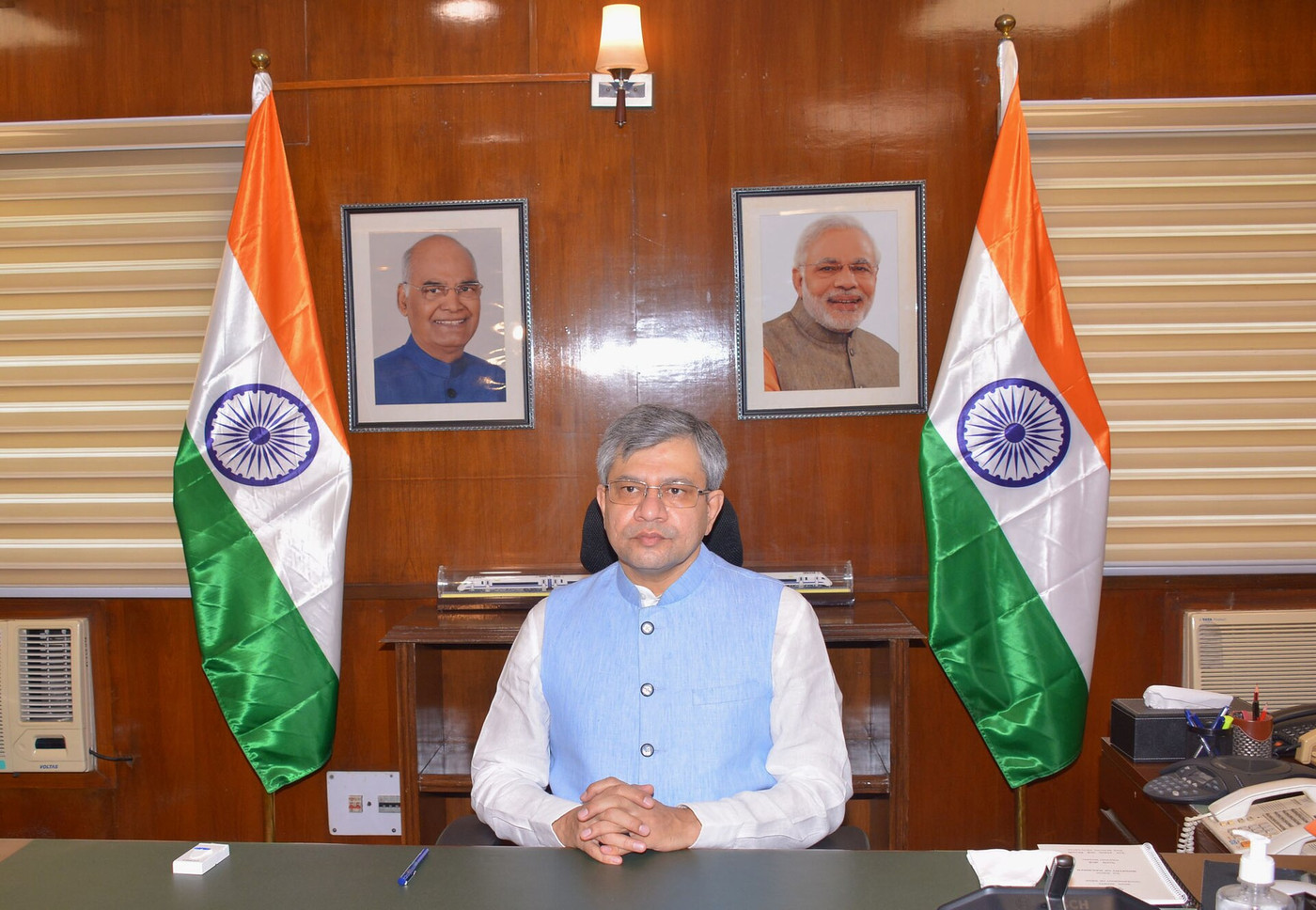
File photo: Ministry of Railways (GODL-India), via Wikimedia Commons
IT Minister Ashwini Vaishnaw said at the NDTV World Summit that India will issue a consultation paper on AI regulation in the coming weeks, arguing that AI's risks now need a law.
What Happened
India will publish a consultation paper on regulating artificial intelligence (AI) "in the coming weeks", Union Minister for Electronics and Information Technology Ashwini Vaishnaw said at the NDTV World Summit in New Delhi in the last week of October 2026. "We are drafting the consultation paper, and that paper will gather inputs from society, citizens and industry," the minister said, according to reports. He said the risks from AI had reached a point where a law and new regulations are warranted, and that the government was already working on it.
Key Facts
- Who: Ashwini Vaishnaw, Union Minister for Electronics and Information Technology.
- Where: the NDTV World Summit in New Delhi, with reports published between October 24 and 26, 2026.
- What: a consultation paper on AI regulation, to be released "in the coming weeks"; reports suggest it could come in November.
- Earlier signal: on October 8, the minister had said the Ministry of Electronics and Information Technology (MeitY) would release the paper within a month.
- Principles stated: AI should remain human-centric, with people keeping control over AI models, autonomous agents, their operations and outcomes, and there should be ways to stop AI systems that go beyond human control.
- Expected topics: reports say the paper is expected to cover AI agents, deepfakes and the effects of AI on education.
- Form of law: the minister has said a new law may be needed because AI is very different from the world in which the Information Technology Act, 2000 was written; it is not yet clear whether rules will come as a separate law or under existing laws.
Why It Matters
India has so far handled AI mainly through advisories, guidelines and existing laws such as the Information Technology Act, 2000. A consultation paper is the first formal step towards dedicated rules. It sets out the government's thinking and asks the public, companies, researchers and civil society to respond before any law is drafted. What goes into it will shape how AI products are built and sold in India for years.
For start-ups, the stakes are high. India has a fast-growing community of AI companies building chatbots, tools for Indian languages, health and finance applications and AI agents, which are programs that can take actions on a user's behalf. Clear rules can help them by setting out what is allowed and building public trust. Poorly designed rules can raise compliance costs that small companies struggle to bear, while large global firms absorb them easily. That is why founders and industry bodies are likely to watch closely for how the paper treats smaller companies and whether it scales obligations to the level of risk.
For citizens, the minister's focus on human control and on the ability to stop AI systems that go wrong speaks to growing worries about deepfakes, which are AI-generated fake videos, images or audio, and about automated systems making decisions without human checks. The consultation is the moment when ordinary users, teachers, parents and experts can say what protections they want.
| Date | Development |
|---|---|
| October 8, 2026 | Minister says consultation paper on AI regulation will come within a month |
| Last week of October 2026 | Minister says paper will come "in the coming weeks" and a law is warranted |
| Expected | Publication of the consultation paper and a period for public comments |
Once the paper is out, the usual next steps are a period for public comments, a review of responses and then draft rules or a draft bill, which would need further approval before becoming law.
Impact
Short-term: AI companies, start-ups, industry groups and civil-society organisations will prepare responses for the consultation once the paper is published.
Long-term: A dedicated AI framework could set India's rules on safety, deepfakes and accountability for AI agents, shaping how both Indian and global AI products operate in the country.
Who is affected: Indian AI start-ups and technology companies; global AI firms operating in India; users of AI tools; schools and educators; and regulators who will enforce any new rules.
Key Takeaway
IT Minister Ashwini Vaishnaw says India's consultation paper on AI regulation will be released in the coming weeks, as the government moves towards a law to govern AI's risks.
Questions and Answers
When will India release its AI regulation consultation paper?
IT Minister Ashwini Vaishnaw said in the last week of October 2026 that the paper would come "in the coming weeks"; reports suggest it could be released in November.
Will India make a new law on AI?
The minister said AI's risks have reached a point where a law and new regulations are warranted and that the government is working on it. Whether this will be a separate AI law or rules under existing laws is not yet clear.
What will India's AI consultation paper cover?
Reports say it is expected to cover AI agents, deepfakes and the effects of AI on education, with an emphasis on keeping humans in control of AI systems.
Can the public give inputs on India's AI rules?
Yes. The minister said the consultation paper will gather inputs from society, citizens and industry before rules are finalised.
Disclaimer: Prepared by the Peepals newsroom from publicly available sources with AI assistance. Information is accurate to the best of our knowledge at the time of publication and may change. Images may be representative. Not professional advice. Report an error via our contact page.
By Karan Bansal, Tech Startups CorrespondentCovers Tech Start-ups & Stories and more for Peepals Tech. All stories by Karan Bansal
Teens using AI for companionship report more distress, JED study finds
NIIT's AI courses hit 12.4% of revenue as IT clients cut training
Get the day's stories in your inbox
Peepals Weekly: the week decoded, free. One email a week, unsubscribe in one click.
Karan Bansal is a pen name of the Peepals Global Editorial Team, which researches, fact-checks and publishes every story. The portrait is an illustration.