
SpaceX launch pad record: two Falcon 9 launches 32 hours apart at Vandenberg
 By Pooja MehraIndustry Trends Analyst, Peepals Tech
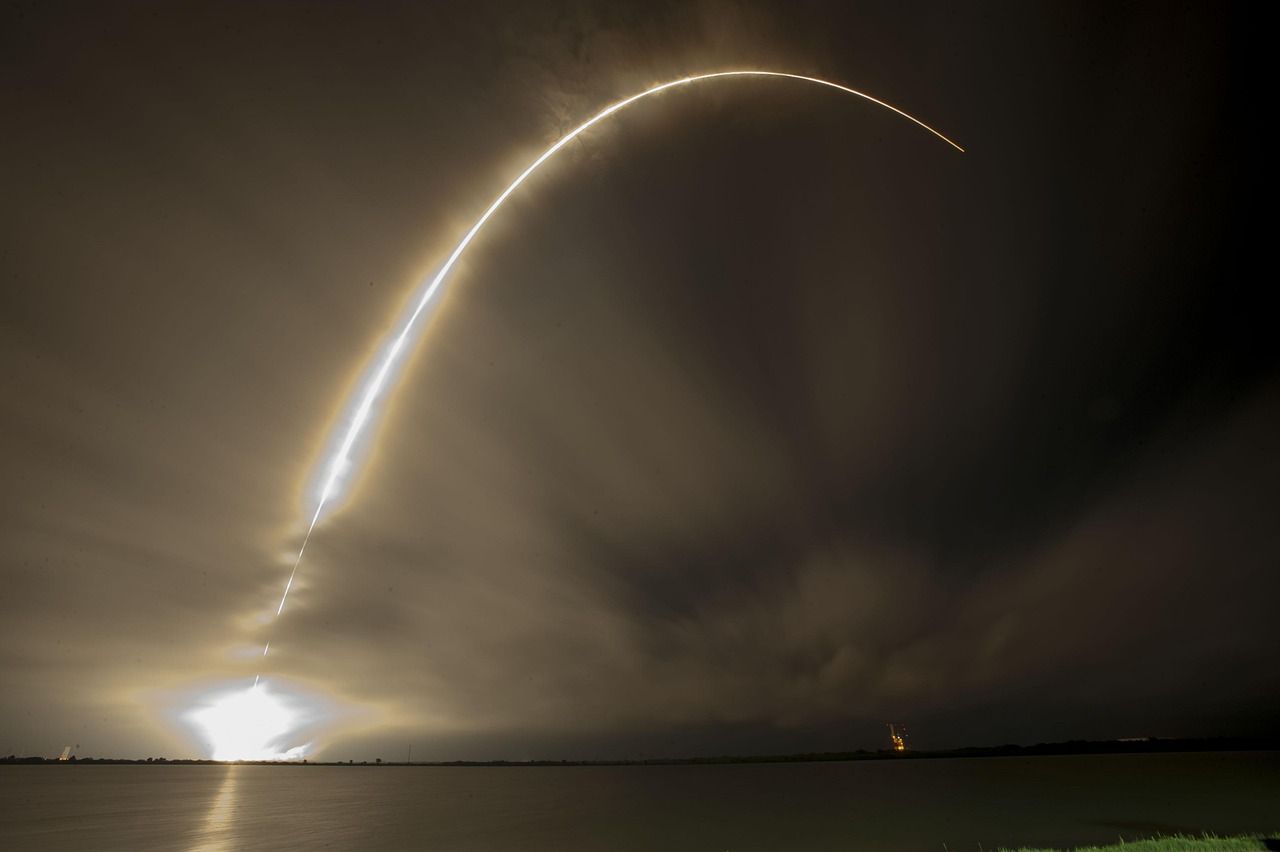
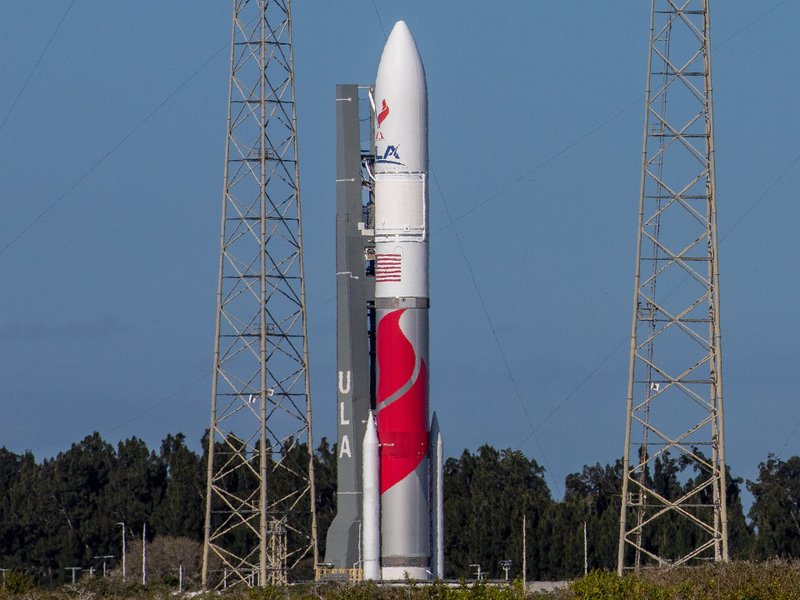
Representative image: SpaceX-Imagery / Pixabay
SpaceX flew USSF-317 and NROL-136 from Vandenberg's SLC-4E 32 hours apart on 20-22 November 2026, beating the previous pad record of about 45 hours.
SpaceX: what happened
SpaceX launch pad turnaround record: SpaceX launched two Falcon 9 rockets from the same pad at Vandenberg Space Force Base in California just over 32 hours apart, setting a new record for the fastest turnaround between launches from a single pad. The USSF-317 mission for the US Space Force lifted off from Space Launch Complex 4 East (SLC-4E) on the evening of Friday, 20 November 2026, Pacific time (04:20 UTC on 21 November), and the NROL-136 mission for the National Reconnaissance Office (NRO) followed from the same pad at about 4:23 a.m. Pacific time on Sunday, 22 November. SpaceX put the gap at 32 hours, 3 minutes and 21 seconds, against a previous best of about 45 hours set at Pad 40 in Florida.
SpaceX: key facts
- Record gap: 32 hours, 3 minutes, 21 seconds between two launches from SLC-4E, Vandenberg.
- Previous pad record: about 45 hours, at Space Launch Complex 40, Cape Canaveral, Florida.
- First launch: USSF-317 for the US Space Force, 20 November (Pacific time); booster B1100 landed on a droneship.
- Second launch: NROL-136 for the NRO, about 4:23 a.m. Pacific on 22 November; booster B1097, on its 14th flight, landed at Landing Zone 4 about seven and a half minutes after liftoff.
- NROL-136 carried reconnaissance satellites for the NRO's proliferated constellation, built with Northrop Grumman; the number of satellites was not disclosed.
- The record measures how quickly the pad was readied, not how quickly a single booster was reused.
SpaceX: why it matters
A launch pad is often the bottleneck in spaceflight. After each launch, the pad has to be inspected, cleaned and refitted, and the next rocket has to be rolled out, raised and fuelled. Cutting that work to about a day and a third means a single pad can support far more launches in a year, which matters for any company or government that wants to put many satellites into orbit quickly.
The customers explain the urgency. The NRO, the US agency that builds and operates spy satellites, is putting up a large "proliferated" constellation of many smaller satellites instead of a few large ones, which needs frequent launches. The US Space Force is also sending up more missions. Being able to fly back-to-back from the same California pad gives the US military more flexibility in getting satellites up.
For the wider launch industry, including India's growing private launch companies and ISRO's commercial arm, the record shows where the competitive bar is moving: reusable boosters that land and fly again, and pads that can be turned around in hours rather than weeks. Launch frequency, not only rocket size, is becoming the measure of a launch provider's strength.
There is a detail worth keeping straight. Two different boosters flew these missions. The record is about the pad and the ground team, not about relaunching the same booster within 32 hours. Booster B1097 itself was on its 14th flight, a separate sign of how far reuse has come.
Peepals calculation: the new turnaround is about 13 hours shorter than the previous pad record (45 − 32 ≈ 13), or roughly 29% faster (13 ÷ 45). At that pace, one pad could in theory host about 270 launches a year (8,760 hours in a year ÷ 32), though no pad has run at that rate for a sustained period. Our calculation from the reported figures.
| Mission | Customer | Booster | Landing |
|---|---|---|---|
| USSF-317 | US Space Force | B1100 | Droneship |
| NROL-136 | National Reconnaissance Office | B1097 (14th flight) | Landing Zone 4 |
SpaceX: impact
Short-term: The NRO and the Space Force get two missions up in under two days from the US West Coast, and SpaceX shows its Vandenberg team can match or beat its Florida pace.
Long-term: Faster pad turnarounds raise the number of launches one site can handle, lowering the cost of building large satellite constellations and putting pressure on rival launch providers worldwide to speed up.
Who is affected: US military and intelligence satellite programmes; commercial satellite operators who need launch slots; rival launch companies in the US, Europe, China and India; and communities near Vandenberg who see and hear more frequent launches.
SpaceX: key takeaway
SpaceX's 32-hour pad turnaround shows launch frequency is the new race in spaceflight; watch how quickly rivals, including Indian launch firms, can shorten their own gaps.
SpaceX: questions and answers
What record did SpaceX set at Vandenberg?
It launched two Falcon 9 rockets from the same pad, SLC-4E, 32 hours, 3 minutes and 21 seconds apart, on 20 and 22 November 2026, the shortest gap between launches from a single pad.
What was the previous launch pad turnaround record?
About 45 hours, set at Space Launch Complex 40 in Florida.
What was NROL-136?
A National Reconnaissance Office mission carrying reconnaissance satellites for its proliferated constellation, built with Northrop Grumman. The number of satellites was not disclosed.
Did the same booster fly twice in 32 hours?
No. USSF-317 used booster B1100 and NROL-136 used B1097; the record is for the launch pad's turnaround.
Disclaimer: Prepared by the Peepals newsroom from publicly available sources with AI assistance. Information is accurate to the best of our knowledge at the time of publication and may change. Images may be representative. Not professional advice. Report an error via our contact page.
By Pooja Mehra, Industry Trends AnalystCovers Industry News & Trends and more for Peepals Tech. All stories by Pooja Mehra
Your week ahead, every Sunday. Free.
Exam and result dates, IPOs opening, scheme deadlines, government holidays and the RBI decision for the next 7 days, plus the week's top stories. One email a week, unsubscribe in one click.
Pooja Mehra is a pen name of the Peepals Global Editorial Team, which researches, fact-checks and publishes every story. The portrait is an illustration.
Responsible for this story: the Peepals Global Editorial Team, led by editor Prashant Sonar. How we report