
TfL Oyster photocard data breach: 265,000 users told to reset logins
 By Karan BansalTech Startups Correspondent, Peepals Tech
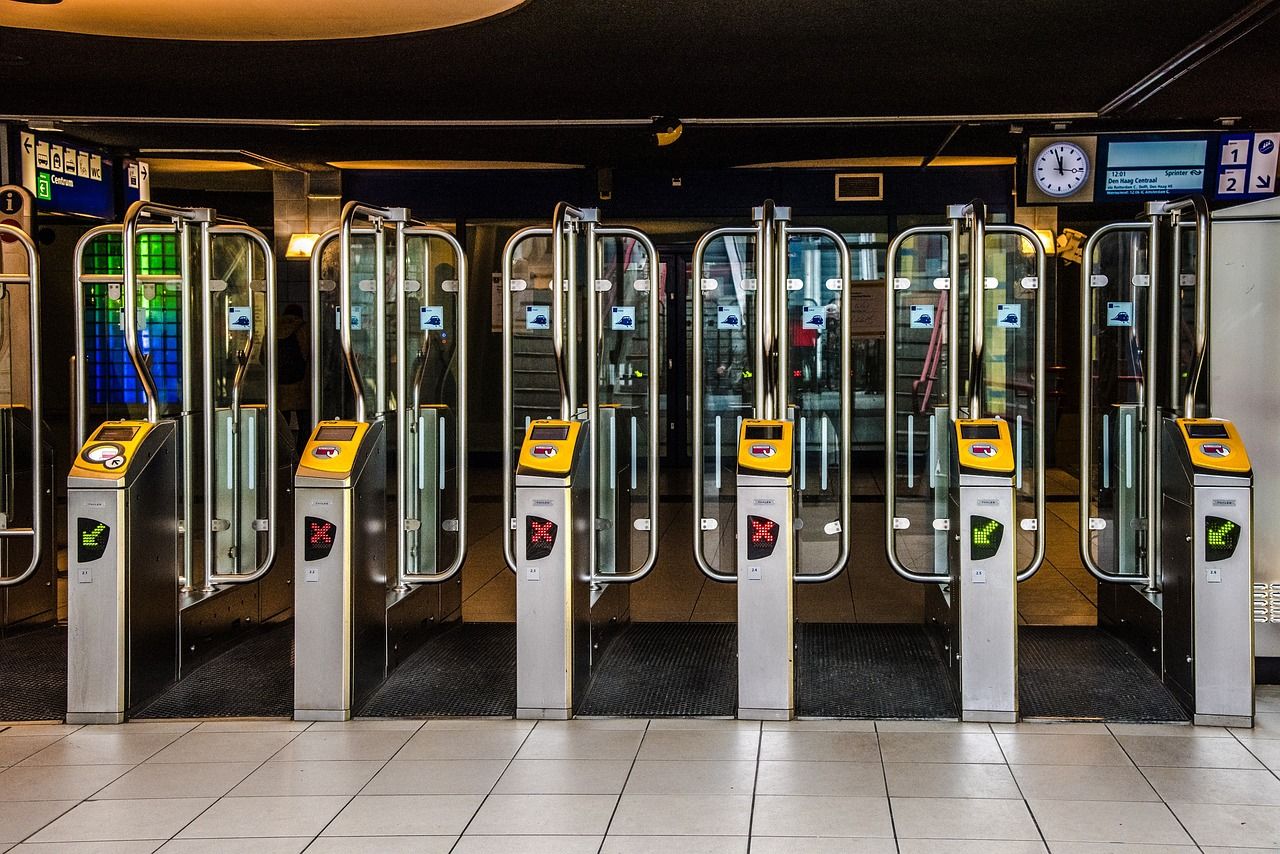
Representative image: volzi / Pixabay
Transport for London says personal details of about 265,000 Oyster photocard holders may have been taken after its photocard website was breached; it found the attack on November 16, 2026.
TfL Oyster photocard data breach: what happened
Transport for London (TfL), which runs the city's buses, Underground and rail services, said this week that the personal details of about 265,000 people who hold Oyster photocards may have been taken by attackers. TfL first noticed a problem on Monday, November 16, 2026, when photocard holders began receiving emails asking them to create accounts they already had. It took the photocard website offline the same day and disclosed the breach on Thursday, November 19.
TfL Oyster photocard data breach: key facts
- Scale: about 265,000 photocard customers may be affected, TfL said, up from its first estimate of about 250,000. It said the investigation is not complete and the number could rise.
- Possibly exposed: names, email and home addresses, phone numbers, dates of birth, and account security questions and answers.
- Not taken, according to TfL: passwords, bank or payment card details, journey history, photographs and copies of supporting documents.
- Children: TfL said it believes the names and dates of birth of children holding Zip Oyster cards, issued to children as young as five, were not affected.
- TfL has informed the Information Commissioner's Office (ICO), the UK's data protection regulator, and says it has seen no evidence so far that the data has been misused.
- When the site returns, every photocard holder will be asked to change their password, security question and answer. Cards keep working for travel in the meantime.
TfL Oyster photocard data breach: why it matters
An Oyster photocard is a discount travel card linked to an online account, held by groups such as children with Zip Oyster cards. To get one, holders register personal details, including a date of birth, to prove they qualify. That is exactly the kind of data criminals like: a name, a home address, a birth date and a security answer are often enough to try to reset accounts elsewhere or to write a convincing scam message.
Shashi Verma, TfL's director of technology strategy and revenue, said the photocard website was taken down at once while the matter was looked into, and that TfL has contained the incident and contacted customers who may be affected. The way the attack showed itself is a lesson in itself: customers spotted unexpected account emails before any alarm inside the system did.
This is the second big cyber attack on TfL in a little over two years. In September 2024 an attack forced it to stop issuing new photocards for months and led to the arrest of a teenager. After that case, the ICO said it would take no regulatory action. How the regulator handles this second breach, at the same transport body and touching a similar group of customers, will be watched by every public body that keeps citizens' data online.
The case is also useful for Indian readers and companies. India's data protection rules under the Digital Personal Data Protection Act are coming into force in stages, with duties such as breach reporting and data security due to apply from May 2027, while CERT-In, India's national cyber-security agency, already requires many cyber incidents to be reported within six hours. Indian metro and transit systems, banks and start-ups that run discount or identity-linked cards hold the same mix of names, birth dates and addresses.
Peepals calculation: TfL's estimate moved from about 250,000 to about 265,000 people within days, a rise of 15,000. That is 15,000 ÷ 250,000 = 0.06, or 6% more people than first counted, before the investigation has ended. Our calculation from the reported figures.
| Date | Event |
|---|---|
| September 2024 | Earlier cyber attack halts new photocard applications for months |
| 16 November 2026 | Customers get unexpected account emails; photocard site taken offline |
| 19 November 2026 | TfL discloses breach; about 265,000 customers may be affected |
| Next | Site to return with forced password and security-answer reset |
TfL Oyster photocard data breach: impact
Short-term: Photocard holders cannot use the website for renewals or history checks and must go through TfL customer services. They face a higher risk of scam emails, calls and texts that use their real name and address.
Long-term: Repeated breaches add pressure on public bodies to collect less data, keep it for shorter periods and test their websites more often. Any ICO decision will shape how far UK regulators go with public-sector bodies.
Who is affected: About 265,000 photocard holders and their families, including students, older travellers and parents who manage accounts for children; and, as a lesson, any organisation that runs online accounts tied to discounts or identity checks.
What to watch next: TfL's restored photocard website with the forced reset of passwords and security answers, a final count of affected people when the investigation ends, and the ICO's response.
TfL Oyster photocard data breach: key takeaway
Photocard holders should treat any message that quotes their personal details with suspicion, change their security answers wherever they reused them, and wait for TfL's own reset prompt rather than clicking links.
TfL Oyster photocard data breach: questions and answers
Were bank card details taken in the TfL Oyster photocard data breach?
TfL says no bank or payment card details, passwords or journey records were compromised. The data at risk is personal and account information, such as names, addresses, birth dates and security answers.
Can I still travel on my photocard?
Yes. TfL says photocards continue to work for travel. Only the photocard website is offline, and renewals or journey-history questions are being handled by customer services.
Why does a security question matter if my password is safe?
Many services let people recover an account by answering a security question. If that answer is known to an attacker and the same answer is used elsewhere, other accounts could be at risk, which is why TfL is forcing a change.
Who regulates a breach like this in the UK?
The Information Commissioner's Office, the UK's data protection regulator. TfL has reported the breach to it. The ICO can investigate and, in serious cases, issue reprimands or fines.
Disclaimer: Prepared by the Peepals newsroom from publicly available sources with AI assistance. Information is accurate to the best of our knowledge at the time of publication and may change. Images may be representative. Not professional advice. Report an error via our contact page.
By Karan Bansal, Tech Startups CorrespondentCovers Tech Start-ups & Stories and more for Peepals Tech. All stories by Karan Bansal
Your week ahead, every Sunday. Free.
Exam and result dates, IPOs opening, scheme deadlines, government holidays and the RBI decision for the next 7 days, plus the week's top stories. One email a week, unsubscribe in one click.
Karan Bansal is a pen name of the Peepals Global Editorial Team, which researches, fact-checks and publishes every story. The portrait is an illustration.
Responsible for this story: the Peepals Global Editorial Team, led by editor Prashant Sonar. How we report