
3.5 billion records exposed in two open databases: what to do now
 By Rhea MalhotraDigital Life Writer, Peepals Yuva
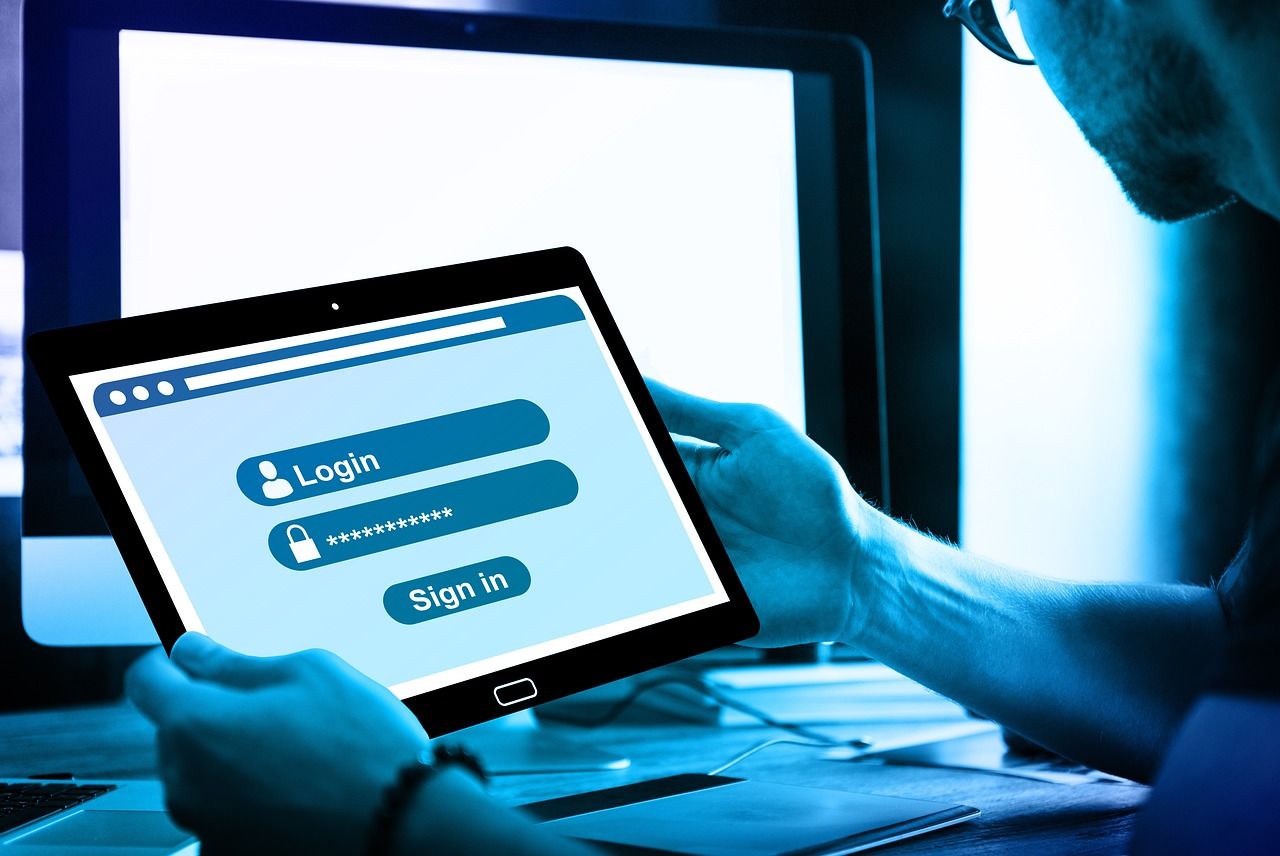
Representative image: geralt / Pixabay
Two unprotected databases held about 3.6 billion records, including some 2 billion logins and 840 million Chinese ID numbers, researchers said on 24 November 2026.
What Happened
Security researchers have found two unprotected databases on the open internet that together held more than 3.5 billion records, including usernames, passwords, login cookies and national ID numbers, in findings made public on Tuesday, 24 November 2026. One database, found by researcher Jeremiah Fowler, held about 2 billion credentials that appear to have been stolen by "infostealer" malware. The other, found by Greg Pollock of security firm UpGuard, held 1.64 billion records mostly about people and businesses in China. Both databases have since gone offline, and their owners have not been identified.
Key Facts
- Fowler's database: about 2 billion credentials, including email addresses, login names, passwords, cookies and session tokens, arranged in 8,471 folders named after countries such as the US, UK, France and Germany.
- Fowler also reported around 400,000 documents that appeared to come from more advanced malware that compiles information on individual victims.
- Source of the data: Fowler said it looked like a mix of data harvested by infostealer malware and material from other criminal activity.
- Pollock's database: 1.64 billion records, mostly on Chinese individuals and businesses, including at least 840 million distinct national ID numbers.
- Neither database was password-protected; Fowler's was removed by its host, and Pollock's went offline during his investigation.
- Caveat: the figures count records, not people. Fowler checked samples but did not remove all duplicates, so the number of distinct people affected is likely lower.
Why It Matters
Infostealer malware is a type of malicious software that quietly copies saved passwords, browser cookies and other login data from an infected computer or phone and sends it to criminals. It often arrives through pirated software, fake game cheats, cracked apps or malicious downloads, which makes young users who download mods and free tools a common target. Stolen data is then bundled, sold and sometimes stored carelessly, as these two databases show.
Session tokens and cookies are a particular risk. When you log in to a site and tick "stay signed in", the site gives your browser a token that proves you are already logged in. A criminal who steals that token may be able to open your account without needing your password or the code from your phone, until the token expires or you log out everywhere. That is why changing a password alone is not always enough after malware infection.
The databases being found is not the same as the data being newly stolen. Much of it may be old, and neither researcher gave a date for when the data was collected. But a large, searchable store of logins sitting in the open makes it easier for anyone to try those passwords on other sites, a technique called credential stuffing that works when people reuse the same password.
Peepals calculation: The two databases together held about 3.64 billion records (2 billion + 1.64 billion), which is why reports give totals of 3.5 to 3.6 billion. In Pollock's database, at least 840 million distinct national ID numbers among 1.64 billion records means at least about 51% of its records carried a unique ID number (840 ÷ 1,640). Our calculation from the reported figures.
| Database | Found by | Size | Main contents |
|---|---|---|---|
| First | Jeremiah Fowler | about 2 billion credentials | emails, passwords, cookies, session tokens |
| Second | Greg Pollock, UpGuard | 1.64 billion records | Chinese individuals and firms, 840 million+ ID numbers |
Impact
Short-term: Anyone who has had malware on a device, or who reuses passwords, faces a higher chance of account takeover attempts.
Long-term: The case adds pressure on hosting companies to detect and remove exposed databases faster, and shows how stolen data keeps circulating long after the original theft.
Who is affected: Internet users worldwide whose logins were captured by infostealers, especially those who reuse passwords; people and businesses in China whose ID numbers were in the second database; and online services that may see more login attacks.
Key Takeaway
Change any password you reuse across sites, turn on two-factor authentication, use "log out of all devices" on important accounts, and scan your devices for malware, especially if you have downloaded cracked apps or game cheats.
Questions and Answers
Was my password in the 3.5 billion records leak?
The researchers have not published a searchable list. Free breach-checking services may add the data later. Until then, treat any password you have reused as exposed and change it, starting with email and banking accounts.
Is this one hack of a single company?
No. It is two separate, unrelated databases found open on the internet. One mostly holds logins stolen by malware from many sources; the other mostly holds records on people and businesses in China.
Why is a stolen session token dangerous?
A session token tells a website you are already logged in. If criminals copy it, they may enter your account without your password or one-time code, until you log out of all sessions or the token expires.
How does infostealer malware usually get onto devices?
It is commonly hidden in pirated software, cracked apps, fake game cheats or mods, and malicious downloads. Installing apps only from official stores and keeping security software updated lowers the risk.
Disclaimer: Prepared by the Peepals newsroom from publicly available sources with AI assistance. Information is accurate to the best of our knowledge at the time of publication and may change. Images may be representative. Not professional advice. Report an error via our contact page.
By Rhea Malhotra, Digital Life WriterCovers Digital Life and more for Peepals Yuva. All stories by Rhea Malhotra
CMAT 2027 registration opens: apply by December 20, exam on February 11
Unboxed School: Bengaluru Class 12 student builds container classroom
Your week ahead, every Sunday. Free.
Exam and result dates, IPOs opening, scheme deadlines, government holidays and the RBI decision for the next 7 days, plus the week's top stories. One email a week, unsubscribe in one click.
Rhea Malhotra is a pen name of the Peepals Global Editorial Team, which researches, fact-checks and publishes every story. The portrait is an illustration.
Responsible for this story: the Peepals Global Editorial Team. How we report