

Binance hack: $6.3 billion hit, withdrawals paused; what users should know
 By Rhea MalhotraDigital Life Writer, Peepals Yuva
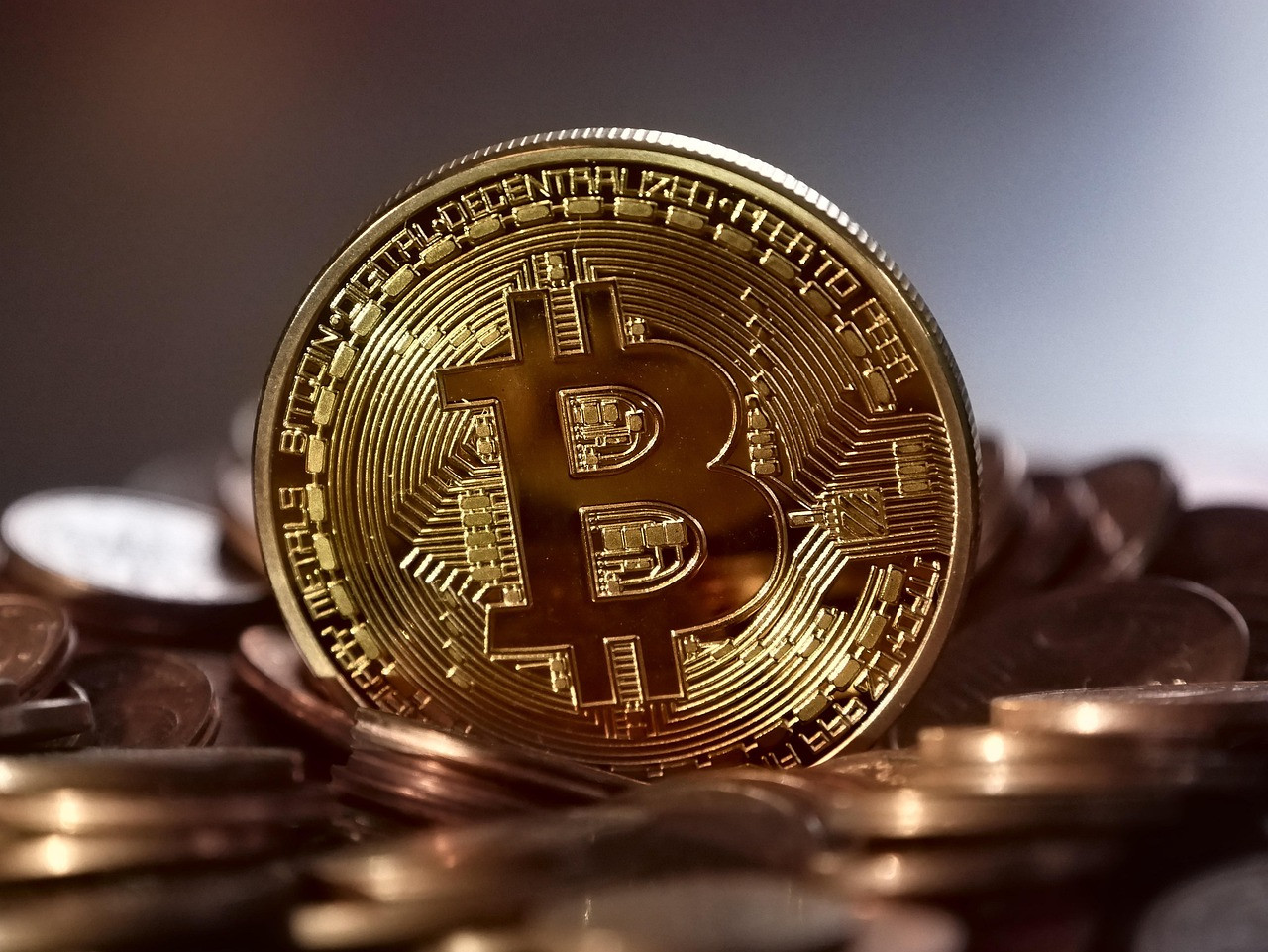
Representative image: MichaelWuensch / Pixabay
Binance said on 29 October 2026 a security breach had an estimated $6.3 billion impact, froze about $3 billion and paused withdrawals, pledging to cover user losses.
What Happened
Cryptocurrency exchange Binance temporarily suspended withdrawals and deposits after a security breach that it estimates had an impact of about $6.3 billion, the company disclosed on Thursday, 29 October 2026. Binance and its partners froze roughly $3 billion of the affected assets, which may be recoverable, and the exchange said it will cover all user losses from its emergency fund and company money. Its first investigation points to a compromised laptop belonging to one of its engineers, which allowed an attacker to submit unauthorised withdrawal transactions. It said it found no evidence that wallet private keys had leaked.
Key Facts
- Estimated impact: about $6.3 billion, which reports describe as the largest crypto theft on record.
- Frozen: about $3 billion of affected assets frozen with the help of partners; stablecoin issuers Tether and Circle froze more than $2.38 billion between them, according to reports.
- Platform action: withdrawals and deposits temporarily suspended; Binance said withdrawals could restart within about 48 hours.
- Likely cause, according to Binance's early findings: a compromised laptop of a DevOps engineer (a staff member who manages the company's software systems) gave an attacker access to a service that could send withdrawals.
- Keys: Binance said it found no sign that wallet private keys, the secret codes that control crypto funds, were leaked.
- Compensation: Binance said it will cover losses using its Secure Asset Fund for Users (SAFU) and its own funds.
- Who did it: not confirmed; some reports cite suspected links to North Korea, but Binance has not named an attacker.
Why It Matters
Many young people in India and around the world hold cryptocurrency, often on large exchanges like Binance because they are easy to use. This breach shows the main risk of that convenience: when you keep coins on an exchange, you depend on the exchange's own security. If its systems are breached, your money can be frozen or put at risk even though you did nothing wrong.
The cause is also a lesson in digital hygiene. According to Binance, the attack did not begin with a flaw in the blockchain, the public record behind cryptocurrencies, but with one employee's laptop. Attackers often target people, through phishing messages, fake software or stolen passwords, because it is easier than breaking strong encryption. The same tricks are used against ordinary users every day.
The good news for users is that Binance has said it will cover losses, and a large share of the stolen value has been frozen. But promises are only as strong as the company's finances, and access to funds may stay limited while the investigation continues. The breach also hit wider markets: bitcoin fell to about $76,000 as the news spread, according to reports.
| What to do now | Why |
|---|---|
| Do not panic-sell or send funds to anyone offering "recovery" | Scammers target victims after big hacks |
| Check only Binance's official app and website for updates | Fake support pages spread quickly |
| Turn on two-factor authentication on every exchange account | Protects against stolen passwords |
| Consider keeping long-term holdings in a wallet you control | Reduces dependence on one exchange |
Impact
Short-term: Binance users face delays in moving their funds until withdrawals restart, and crypto prices may stay volatile.
Long-term: Regulators are likely to push exchanges to tighten internal security, especially how staff devices and access are controlled, and users may spread holdings across platforms or move to personal wallets.
Who is affected: Binance users worldwide, including young investors in India, other crypto exchanges and stablecoin issuers, and regulators who oversee digital-asset platforms.
Key Takeaway
Binance's $6.3 billion breach, traced so far to one compromised engineer's laptop, shows that exchange users depend on the platform's security, and that basic digital hygiene protects everyone.
Questions and Answers
What happened in the Binance hack?
Binance disclosed on 29 October 2026 that a security incident had an estimated impact of about $6.3 billion. It froze about $3 billion with partners' help, paused withdrawals and deposits, and said early findings point to a compromised engineer's laptop.
Will Binance users lose their money?
Binance says it will cover all user losses from the incident using its Secure Asset Fund for Users and company funds. Users may face delays in accessing funds while withdrawals are suspended.
When will Binance withdrawals resume?
Binance said withdrawals could start coming back online within about 48 hours of its announcement. Users should follow only Binance's official channels for updates.
How can I protect my crypto accounts?
Use two-factor authentication, never share passwords or recovery phrases, ignore anyone offering to "recover" funds for a fee, and consider holding long-term savings in a wallet you control rather than on an exchange.
Disclaimer: Prepared by the Peepals newsroom from publicly available sources with AI assistance. Information is accurate to the best of our knowledge at the time of publication and may change. Images may be representative. Not professional advice. Report an error via our contact page.
By Rhea Malhotra, Digital Life WriterCovers Digital Life and more for Peepals Yuva. All stories by Rhea Malhotra
Call of Duty to remove Seoul crush footage after backlash; update due November 12
Richard Norton peptides death: coroner links actor's cardiac arrest to injections
Get the day's stories in your inbox
Peepals Weekly: the week decoded, free. One email a week, unsubscribe in one click.
Rhea Malhotra is a pen name of the Peepals Global Editorial Team, which researches, fact-checks and publishes every story. The portrait is an illustration.