
Richard Norton peptides death: coroner links actor's cardiac arrest to injections
 By Kabir SethiEducation Correspondent, Peepals Yuva
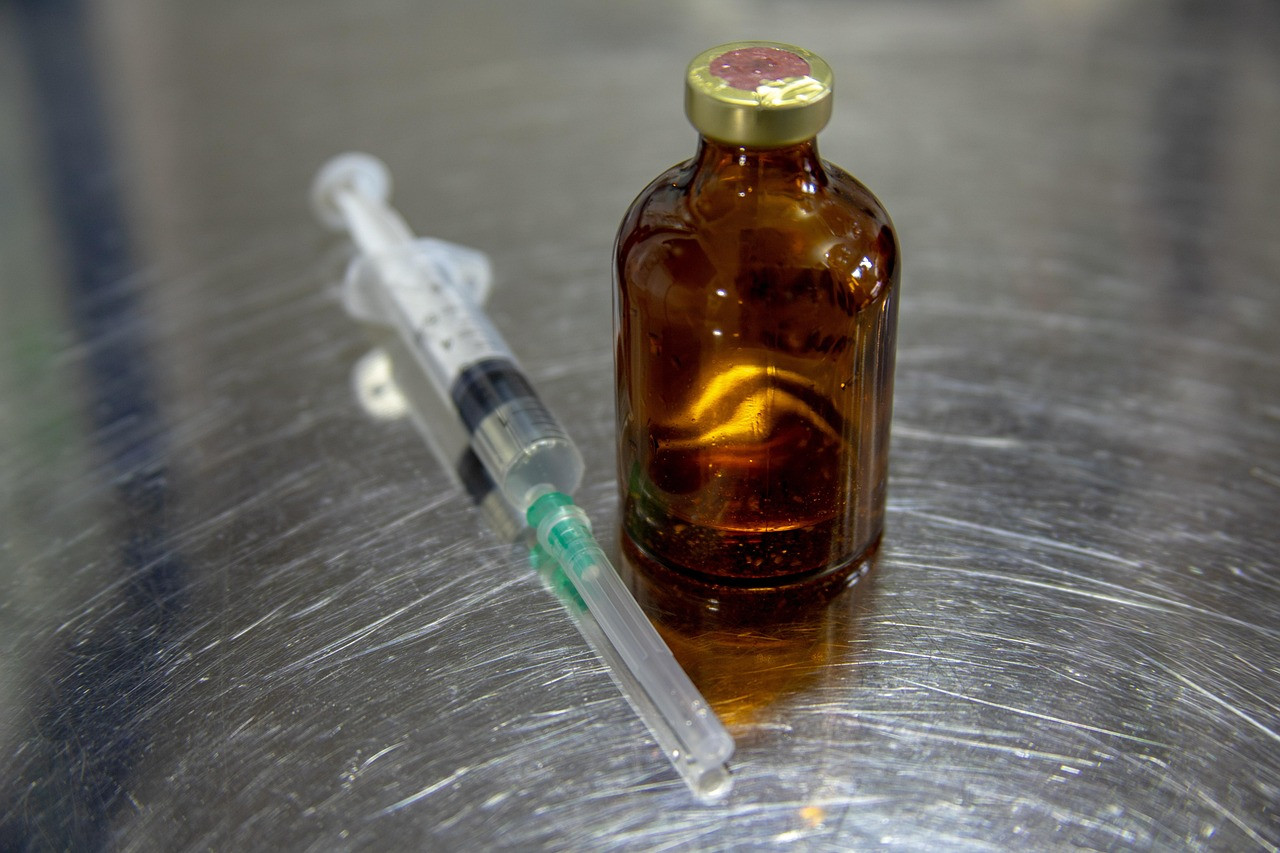
Representative image: mirkosajkov / Pixabay
An Australian coroner found on 29 October 2026 that actor Richard Norton's 2025 death followed an injection of the unapproved peptides CJC-1295 and ipamorelin.
What Happened
A coroner in the Australian state of Victoria has found that the death of actor and martial artist Richard Norton followed an injection of unapproved peptides, according to findings reported on Thursday, 29 October 2026. Coroner David Ryan concluded that an injection of CJC-1295 and ipamorelin caused anaphylaxis, a severe allergic reaction, which led to cardiac arrest. Norton, who appeared in the Mad Max films, died at Melbourne's Alfred Hospital on 30 March 2025, aged 75. The coroner asked Australia's drug regulator to review these peptides and consider tighter limits.
Key Facts
- Victorian coroner David Ryan's findings on Richard Norton's death were reported on 29 October 2026.
- The coroner found that an injection of CJC-1295 and ipamorelin caused anaphylaxis, leading to cardiac arrest.
- Asthma and hypertrophic cardiomyopathy, a heart muscle disease, were listed as contributing factors.
- Two days before his death, Norton told a clinic nurse he had been injecting double his prescribed doses, according to the findings.
- The peptides had been prescribed by a doctor and made by a licensed compounding pharmacy in Queensland.
- Norton died at the Alfred Hospital in Melbourne on 30 March 2025, aged 75.
- The coroner asked the Therapeutic Goods Administration (TGA) to review the risks and benefits of these peptides, consider further restrictions and list them as poisons.
Why It Matters
Peptides are short chains of amino acids, the building blocks of proteins. Some are approved medicines, but many sold for fitness, muscle gain, recovery or "anti-ageing" are not approved for those uses. CJC-1295 and ipamorelin are promoted in gyms and on social media because they are said to raise the body's own growth hormone. They are not approved medicines for that purpose in Australia, and the TGA has repeatedly warned consumers about unapproved peptides.
Norton's case is believed to be the first confirmed death in Australia linked to unapproved peptide use, according to reports. It is a sharp reminder that a product being injected under a prescription, and made by a licensed pharmacy, does not mean it has been tested and approved for that use. The coroner's findings also show how the dose, the person's existing health conditions and an unexpected allergic reaction can combine with fatal results.
For young people, the case matters because peptide use has spread well beyond older adults seeking "anti-ageing" effects. Gym culture and online fitness content often present peptides as a shortcut to muscle, fat loss or faster recovery, usually without mention of the risks or the lack of approval.
The findings may lead to changes. The TGA said it continues to warn consumers about unapproved peptides and is considering whether further steps are needed after the coroner's recommendations.
| Coroner's findings | Detail |
|---|---|
| Person | Richard Norton, actor and martial artist, 75 |
| Date of death | 30 March 2025, Alfred Hospital, Melbourne |
| Cause found | Anaphylaxis after CJC-1295 and ipamorelin injection, leading to cardiac arrest |
| Contributing factors | Asthma, hypertrophic cardiomyopathy |
| Recommendation | TGA to review the peptides, consider restrictions and poison listing |
Impact
Short-term: The findings add pressure on Australia's drug regulator to tighten control of unapproved peptides, and are likely to prompt more public warnings about injecting them.
Long-term: If the TGA lists such peptides as poisons or restricts compounding, access through clinics and pharmacies in Australia could narrow, and other regulators may face similar questions.
Who is affected: People using or considering peptide injections for fitness or anti-ageing, gym-goers and fitness influencers, clinics and compounding pharmacies that supply them, and regulators in Australia and elsewhere.
Key Takeaway
A Victorian coroner found that Richard Norton's death followed an injection of the unapproved peptides CJC-1295 and ipamorelin, taken at double the prescribed dose, and asked regulators to consider tighter controls.
Questions and Answers
How did Richard Norton die, according to the coroner?
Victorian coroner David Ryan found that an injection of the peptides CJC-1295 and ipamorelin caused anaphylaxis, a severe allergic reaction, which led to cardiac arrest. Asthma and a heart muscle disease, hypertrophic cardiomyopathy, were contributing factors.
What are CJC-1295 and ipamorelin?
They are peptides, short chains of amino acids, promoted for raising the body's own growth hormone. They are not approved medicines for that use in Australia, and the drug regulator has warned consumers about unapproved peptides.
Was Richard Norton taking peptides as prescribed?
No. According to the coroner's findings, he told a clinic nurse two days before his death that he had been injecting double his prescribed doses.
What did the coroner recommend?
The coroner asked the Therapeutic Goods Administration to review the risks and benefits of these peptides, consider further restrictions on their use and list them as poisons.
Disclaimer: Prepared by the Peepals newsroom from publicly available sources with AI assistance. Information is accurate to the best of our knowledge at the time of publication and may change. Images may be representative. Not professional advice. Report an error via our contact page.
By Kabir Sethi, Education CorrespondentCovers Education and more for Peepals Yuva. All stories by Kabir Sethi
Binance hack: $6.3 billion hit, withdrawals paused; what users should know
UP PRT recruitment: 12,405 teacher posts, last date extended to November 4
Get the day's stories in your inbox
Peepals Weekly: the week decoded, free. One email a week, unsubscribe in one click.
Kabir Sethi is a pen name of the Peepals Global Editorial Team, which researches, fact-checks and publishes every story. The portrait is an illustration.