
Mood over must-sees: Gen Z will trade personal data for tailored trips, survey finds
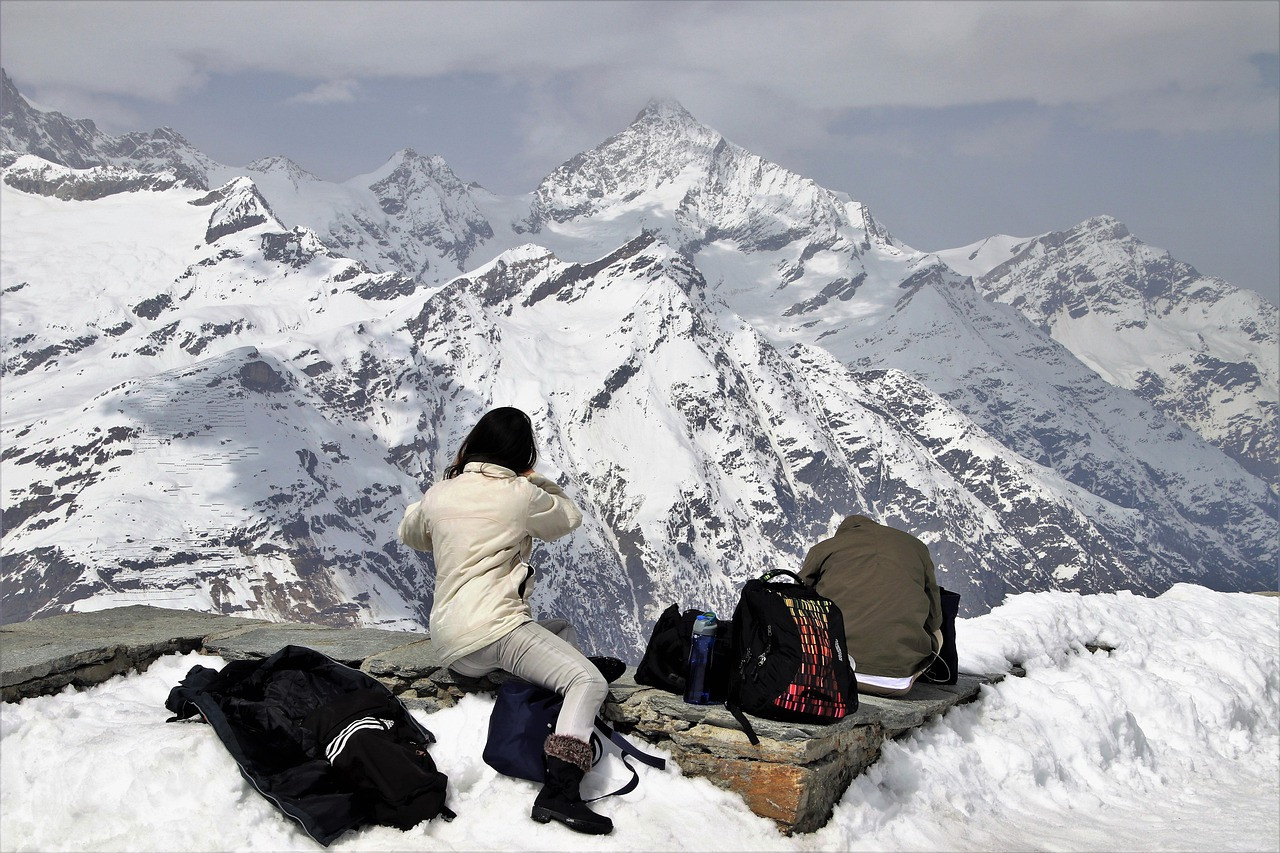
Representative image: pasja1000 / Pixabay
Booking.com's 2027 travel survey of 28,000 people, out October 14, 2026, finds 81% would pick trips by mood and 76% of Gen Z would share data for them.
What Happened
Travellers are increasingly choosing trips by the mood they want to be in, and young travellers are far more willing than older ones to hand over personal data for a tailored holiday, according to a survey released on Wednesday, October 14, 2026, by online travel company Booking.com. Its annual travel predictions report, based on more than 28,000 travellers in 32 countries and territories, including about 1,000 in India, names nine trends it expects to shape travel in 2027. The headline idea is "going off-script": picking trips that are unexpected, mood-led and out of character.
Key Facts
- The survey covered more than 28,000 travellers in 32 markets; India's sample was about 1,005 people.
- 81% of respondents said they would choose a destination mainly based on their mood.
- 76% of Gen Z travellers said they would share wearable or phone data with a travel provider to personalise a trip, against 35% of baby boomers.
- The nine predicted trends include mood-based travel ("Vibe Check(In)"), out-of-character "Plot Twist" trips, group fitness travel for solo travellers ("Sweat Synergy") and paranormal tourism ("Trip to the Beyond").
- Other trends cover in-flight wellness, budgets deciding who joins a trip, slimmed-down "all-exclusive" packages, AI handling work email on holiday, and hiking trips used for difficult conversations.
- The figures measure what people say they want, not trips actually booked.
Why It Matters
For young travellers, the report puts numbers on habits many already recognise. Trips are being planned less around a destination checklist and more around a feeling: rest, adventure, a reset after a hard month at work.
The data finding is the one with the biggest consequences. Three in four Gen Z travellers say they would let a travel company read data from their phone or fitness band to shape a trip, compared with about one in three boomers. That openness could bring genuinely useful suggestions, such as quieter hotels for poor sleepers or activities matched to fitness levels. It also raises questions every young traveller should ask: what data is collected, who sees it, how long it is kept, and whether it is shared with other companies.
Several trends speak directly to solo and social travel. "Sweat Synergy" describes solo travellers meeting others through shared physical challenges such as runs, climbs or group classes, which can make travelling alone feel safer and less lonely. "Social Currency" reflects a familiar problem among friends: different budgets. The report says money is becoming a major factor in deciding who comes on a trip, so that nobody is stretched or embarrassed.
The report is produced by a company that sells travel, and its trends are partly designed to grab attention. Its value for readers lies less in the catchy names than in what it says about shifting priorities: flexibility, wellbeing, and a willingness to try something unexpected.
| Trend name | What it means |
|---|---|
| Vibe Check(In) | Choosing a destination by the mood you want |
| Plot Twist Trip | Taking a holiday that is out of character |
| Sweat Synergy | Solo travellers bonding through physical challenges |
| Social Currency | Budget deciding who joins a group trip |
| PTO: Powered by AI | AI handling work admin while you are away |
Impact
Short-term: Travel companies are likely to market more mood-based searches, flexible packages and fitness-led group trips to younger customers.
Long-term: If young travellers keep sharing personal data for tailored trips, privacy rules and consent settings in travel apps will matter more.
Who is affected: Young and solo travellers, friends planning group trips, travel and hotel companies, and anyone using wearables or travel apps that collect personal data.
Key Takeaway
Booking.com's survey of 28,000 travellers says 2027 trips will be chosen by mood and made personal with data, with Gen Z far more willing than older travellers to share that data.
Questions and Answers
What are Booking.com's 2027 travel predictions?
Released on October 14, 2026, they name nine trends, including choosing trips by mood, out-of-character "Plot Twist" trips, solo travellers bonding through fitness, paranormal tourism, in-flight wellness and AI handling work while people are on holiday.
How many people were surveyed, and was India included?
More than 28,000 travellers across 32 countries and territories, including about 1,005 respondents in India.
Are young travellers willing to share personal data for a better trip?
According to the survey, 76% of Gen Z travellers would share wearable or phone data with a travel provider to personalise a trip, compared with 35% of baby boomers.
Do these predictions show what people will actually book?
No. They are based on what survey respondents say they want, so they point to possible shifts in demand rather than confirmed bookings.
Disclaimer: Prepared by the Peepals newsroom from publicly available sources with AI assistance. Information is accurate to the best of our knowledge at the time of publication and may change. Images may be representative. Not professional advice. Report an error via our contact page.
Sourced and fact-checked by the Peepals Global Editorial Team
TG Inter 2027: private candidates must seek attendance exemption by October 31
Cornell bans fraternity parties for the year after outcry over 2024 assault case
Reported, fact-checked and published by the Peepals Global Editorial Team.