
CAT 2026 AI face recognition: IIM Indore says no one will be turned away
 By Kabir SethiEducation Correspondent, Peepals Yuva
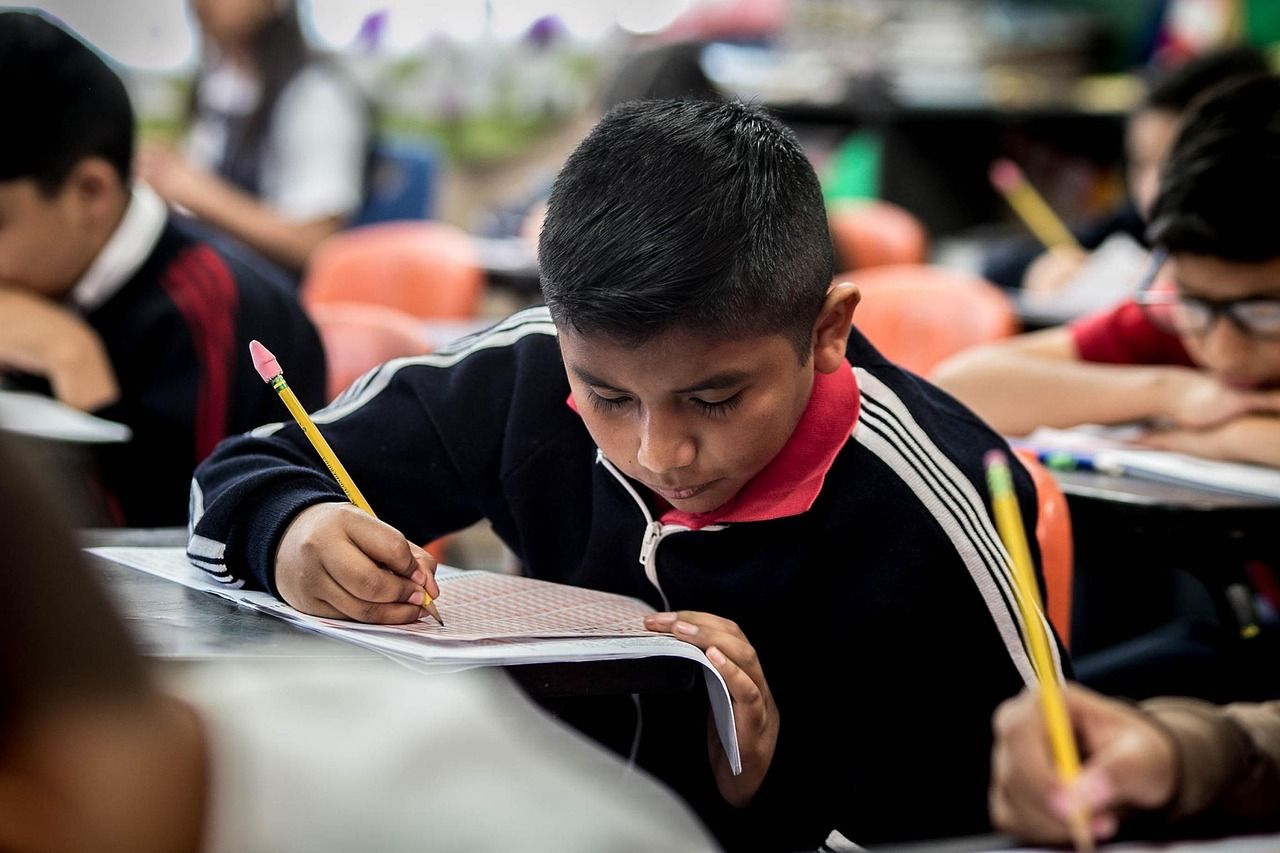
Representative image: ernestoeslava / Pixabay
CAT 2026 on Sunday, 29 November adds AI face recognition at centres for the first time; IIM Indore says a failed scan alone will not stop any candidate.
CAT 2026: what happened
CAT 2026 AI face recognition will be used at exam centres for the first time when the Common Admission Test is held on Sunday, 29 November 2026, with IIM Indore, the convening institute, adding an AI-based face check to the usual admit card verification. IIM Indore director Himanshu Rai has called the system an experiment and said no candidate will be denied entry only because the software fails to scan or match a face. Manual checks by exam officials remain the main basis for letting candidates in.
CAT 2026: key facts
- Exam: Common Admission Test (CAT) 2026, the entrance test for the Indian Institutes of Management and many other business schools.
- Date: Sunday, 29 November 2026, in three slots: 8:30 to 10:30 am, 12:30 to 2:30 pm and 4:30 to 6:30 pm.
- Convenor: IIM Indore.
- New this year: AI-based face recognition at the entry point, matching each candidate against the photograph uploaded while applying.
- No new database: the institute has said no additional database of candidates will be built for the check.
- Safeguard: the director said a failed AI scan alone will not stop anyone from entering; officials' manual verification decides.
- The institute has not disclosed which tool or company supplies the technology.
- Admit card: candidates need a colour print on A4 paper, with a government photo ID; electronic items, stationery and bags are not allowed inside.
CAT 2026: why it matters
Impersonation, where someone else sits an exam in a candidate's place, has been a recurring worry in Indian entrance and recruitment tests. Exam bodies have tried biometrics, photographs at the door and video recording. Face recognition is the next step: software compares the face at the door with the photo the candidate uploaded months earlier and flags a mismatch for staff to examine.
The way IIM Indore has framed the trial matters to candidates. Face-matching systems can fail for ordinary reasons: poor lighting, a changed hairstyle or glasses, an old or low-quality photo, or software that performs worse on some skin tones. If such a failure could block entry, an honest candidate might lose a year. By keeping the human check as the deciding step and promising no new database, the institute is trying to test the technology without putting candidates at risk or raising new privacy concerns. The decision not to name the vendor, however, leaves open questions about how the images are processed and how long they are kept.
For the wider system, a smooth run at CAT, one of India's most-watched entrance tests, could encourage other exam bodies to adopt the same approach. A problem-filled run would do the opposite.
Peepals calculation: CAT 2026 runs in three slots of two hours each, so the day's testing spans 10 hours from the first start to the last finish (8:30 am to 6:30 pm), with two-hour breaks between slots for checks and seating. Every candidate in each slot passes the face check in the hours before that slot's start, so centres will run the system three separate times in one day. Our calculation from the reported figures.
| Slot | Time on 29 November 2026 |
|---|---|
| Slot 1 | 8:30 am to 10:30 am |
| Slot 2 | 12:30 pm to 2:30 pm |
| Slot 3 | 4:30 pm to 6:30 pm |
CAT 2026: impact
Short-term: Candidates may face an extra step and a slightly longer queue at the gate. Reaching the centre early, with the colour admit card and a valid photo ID, matters more than usual.
Long-term: The results of this trial are likely to shape whether AI identity checks become routine in Indian entrance exams, and under what safeguards.
Who is affected: CAT 2026 candidates across India, exam centre staff, business schools that admit students through CAT scores, and other exam bodies watching the trial.
What to watch next: The exam on Sunday, 29 November 2026, and any statement from IIM Indore afterwards on how the face-recognition trial worked.
CAT 2026: key takeaway
Carry a clear colour print of the admit card and an original photo ID, and do not panic if the camera fails to match you: by IIM Indore's own assurance, officials' manual check decides entry.
CAT 2026: questions and answers
Can I be stopped from writing CAT 2026 if the AI face scan fails?
No, according to IIM Indore director Himanshu Rai. He said no candidate will be denied entry solely because the AI system fails to scan or match a face; officials' manual verification remains the main check.
Which photograph will the face recognition use?
It compares candidates with the photographs they uploaded while registering for CAT 2026. The institute has said it will not create any additional database of candidates.
What time do I need to be at the centre?
The admit card gives each candidate's reporting time. The slots are 8:30 to 10:30 am, 12:30 to 2:30 pm and 4:30 to 6:30 pm, and late entry is not allowed, so follow the time printed on your own admit card.
Who supplies the AI system?
IIM Indore has not disclosed the tool or the company behind it.
Disclaimer: Prepared by the Peepals newsroom from publicly available sources with AI assistance. Information is accurate to the best of our knowledge at the time of publication and may change. Images may be representative. Not professional advice. Report an error via our contact page.
By Kabir Sethi, Education CorrespondentCovers Education and more for Peepals Yuva. All stories by Kabir Sethi
AP SLPRB opens 378 Sub-Inspector, 1,156 constable posts until December 16
EXIM Bank MT 2026: 60 Banking Operations seats in one exam, 120 jobs in all
Your week ahead, every Sunday. Free.
Exam and result dates, IPOs opening, scheme deadlines, government holidays and the RBI decision for the next 7 days, plus the week's top stories. One email a week, unsubscribe in one click.
Kabir Sethi is a pen name of the Peepals Global Editorial Team, which researches, fact-checks and publishes every story. The portrait is an illustration.
Responsible for this story: the Peepals Global Editorial Team. How we report