
CBI says Kerala fraud network paid students Rs 3,000-7,000 per ATM card
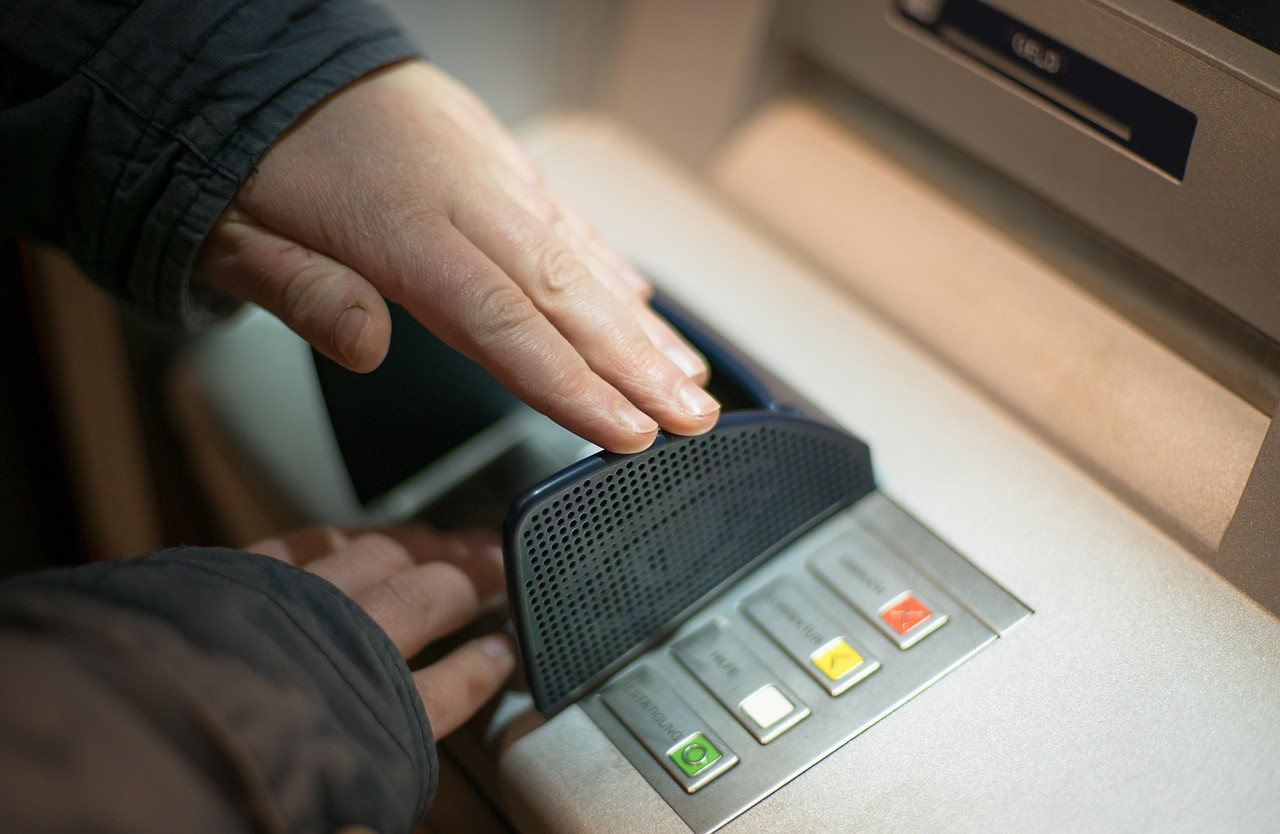
Representative image: mrganso / Pixabay
The CBI arrested a Kerala man on October 17, 2026 over a fraud network it says bought students' ATM cards for Rs 3,000-7,000 to withdraw stolen money in Dubai.
What Happened
The Central Bureau of Investigation (CBI) has arrested a man in Kerala it describes as a key accused in an international cyber fraud network that paid young people and students to hand over their bank ATM cards. Muhammed Fasal K was arrested at his home in Thamarassery, Kozhikode district, on Saturday, October 17, 2026, the agency said. According to the CBI, the syndicate paid Rs 3,000 to Rs 7,000 for each active card, took the cards to Dubai and used them there to withdraw money stolen from fraud victims in India.
Key Facts
- The CBI arrested Muhammed Fasal K at Thamarassery, Kozhikode, Kerala, on October 17, 2026.
- The case began with a July 2024 fraud in which a Thrissur resident lost about Rs 1.04 crore to callers posing as courier company officials and cybercrime police.
- The victim was told his bank account was compromised and was made to move money through several accounts in the name of "verification", the CBI said.
- The network targeted young people and students, paying Rs 3,000 to Rs 7,000 for each active ATM card, according to the agency.
- The cards were taken to Dubai, where associates withdrew the stolen money from ATMs; the funds were then sent back to India, the CBI said.
- A Look Out Circular had been issued against the accused; he was stopped at Bengaluru airport on May 13, 2026 while trying to fly to Sharjah and was kept under watch.
- The CBI says it is examining bank trails and asset records to identify local card suppliers, couriers, operatives in the UAE and those who benefited.
Why It Matters
The case shows how ordinary young people are drawn into organised cyber crime without understanding what they are part of. A student who hands over a debit card and PIN for a few thousand rupees may think it is a harmless side deal. In fact, the account becomes what investigators call a "mule account": a bank account used to receive and move stolen money so that the criminals behind the fraud stay hidden. When police trace the money, the trail leads first to the account holder, whose name is on the account.
The fraud itself began with callers posing as courier company officials and cybercrime police, who told the victim his account was compromised and pressed him to transfer money for "verification". He lost about Rs 1.04 crore. The money moved through accounts and cards, some of them bought from young people, and was taken out of ATMs abroad, which made it harder to stop.
For young readers, the lesson is direct. Never sell, rent or lend your bank account, debit card, PIN, UPI access or SIM card to anyone, whatever the payment or the excuse. Offers to "earn easy money" by opening an account for someone else, or by passing on cards, are a common recruiting method for fraud networks. If you have already handed over a card, block it with your bank immediately, change your PIN and passwords, and report the matter on the national cyber fraud helpline 1930, run by the Home Ministry's Indian Cyber Crime Coordination Centre, or at cybercrime.gov.in. If you or a friend receive a call from someone claiming to be police or a courier company and demanding money, hang up and check with the official body directly.
The accused has not been tried, and the allegations against him are the CBI's.
How the alleged fraud worked, according to the CBI Step | What happened 1 | Callers posing as courier officials and cybercrime police contacted the victim 2 | The victim was told his account was compromised and moved money for "verification" 3 | Money was routed through accounts and cards, some bought from young people for Rs 3,000-7,000 each 4 | Cards taken to Dubai, cash withdrawn from ATMs and sent back to India
Impact
Short-term: The CBI is tracing local card suppliers and couriers, so people who supplied cards to the network may be questioned.
Long-term: Cases like this are likely to push banks and investigators to watch more closely for accounts opened or sold for misuse, and could lead to stricter action against account holders who rent out their cards.
Who is affected: Students and young people approached with offers to sell bank cards or accounts; families targeted by fake police and courier calls; banks; and investigators tracking cross-border cyber fraud.
Key Takeaway
The CBI says a Kerala-based network paid students Rs 3,000 to Rs 7,000 per ATM card to move fraud money through Dubai, a reminder that renting out a bank card or account can make a young person part of a crime.
Questions and Answers
What did the CBI arrest Muhammed Fasal K for?
The CBI says he is a key accused in an international cyber fraud and ATM card smuggling network linked to a Rs 1.04 crore fraud on a Thrissur resident. He was arrested in Thamarassery, Kozhikode, on October 17, 2026. The allegations have not been tested in court.
How were students involved in the ATM card racket?
According to the CBI, the network paid young people and students Rs 3,000 to Rs 7,000 for each active ATM card. The cards were taken to Dubai and used to withdraw money stolen from fraud victims.
What is a mule account?
It is a bank account used by criminals to receive and move stolen money, often bought or rented from someone else, so that the people behind the fraud stay hidden. The account holder can face investigation because the money passes through their account.
What should I do if someone asks to buy or borrow my bank card or account?
Refuse. If you have already handed over a card or account details, block the card with your bank, change your PIN and passwords, and report it on the cyber crime helpline 1930 or at cybercrime.gov.in.
Disclaimer: Prepared by the Peepals newsroom from publicly available sources with AI assistance. Information is accurate to the best of our knowledge at the time of publication and may change. Images may be representative. Not professional advice. Report an error via our contact page.
Sourced and fact-checked by the Peepals Global Editorial Team
UK jobs plans promise 22,400 apprenticeships a year for under-25s
ISRO SDSC SHAR recruitment 2026: 97 posts, apply by November 9
Reported, fact-checked and published by the Peepals Global Editorial Team.