
Internet access is a fundamental right for children too, Supreme Court rules

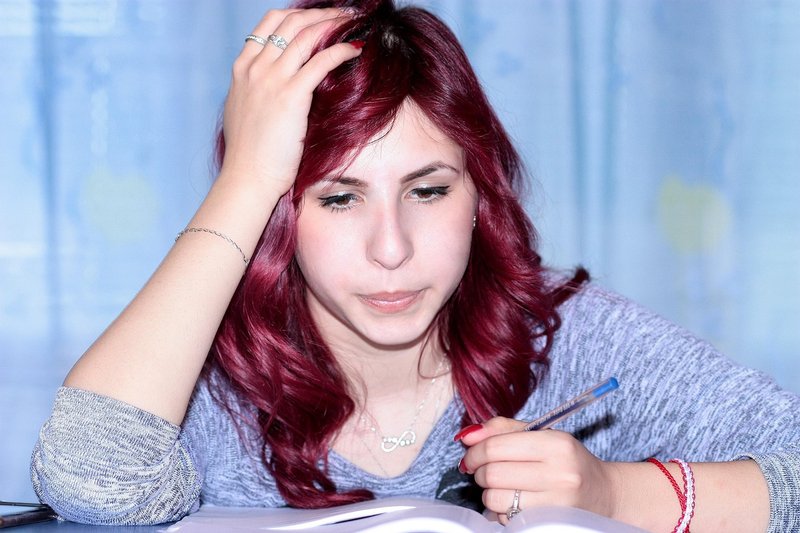
Representative image: JESHOOTS-com / Pixabay
On October 15, 2026, the Supreme Court held internet access is a fundamental right of every person, including children, and rejected blanket bans.
What Happened
The Supreme Court of India has held that the right to access and use the internet is a fundamental right of every person, children included. In a judgment delivered on Thursday, October 15, 2026, in the case Just Rights for Children Alliance and another versus S. Harish and others, a bench including Justice J.B. Pardiwala said the right is protected under Article 21 of the Constitution, read with Article 19(1)(a). The bench rejected blanket restrictions on children's use of the internet and social media, calling them, according to reports of the judgment, "unproven measures of proven disproportionality". It placed the duty of keeping children safe online on platforms, regulators and law enforcement agencies rather than on children, and issued directions to strengthen the detection, removal and reporting of child sexual exploitation and abuse material online.
Key Facts
- The judgment was delivered on October 15, 2026, and is reported as 2026 INSC 1149.
- The court held that internet access and use is protected under Article 21 read with Article 19(1)(a) of the Constitution.
- The bench said children also hold this right.
- It rejected blanket bans on children's internet and social media access as disproportionate.
- It raised privacy concerns about age-verification systems that need continuous collection of sensitive personal data.
- The case grew out of the court's earlier ruling on child sexual abuse material, and the bench set out a framework to detect, remove and report such content.
- Separately, the Centre told the court on September 28, 2026, that it plans to amend the IT Rules so platforms cannot let under-18s open accounts on their own; those rules have not yet been published.
Why It Matters
For young Indians who study, learn skills, earn and connect online, this ruling is significant. It treats the internet not as a privilege that can be switched off by age, but as part of the basic freedoms of speech and life that the Constitution protects. Students who use online classes, young creators who build audiences on video platforms, and teenagers who rely on messaging to stay in touch now have a clear statement from the country's top court that their access counts as a right.
The ruling arrives in the middle of a global debate. Several countries are moving to keep children off social media altogether, and in India the government has said it will change the IT Rules to stop platforms from letting users under 18 open accounts without a parent. The ministry of electronics and information technology held a consultation in August 2026 where participants, according to reports, concluded that a complete ban for children would not work and discussed age-gating and a legal duty of care for platforms instead. The Supreme Court's language on blanket bans and on the privacy cost of age checks will now shape how any such rule is written.
The judgment does not leave children unprotected. Its focus is on who carries the burden. Instead of shutting young people out, the court asked platforms to find and remove harmful material, regulators to oversee them and police to act on abuse. Reports of the ruling say it does not rule out targeted safeguards, so measures aimed at specific harms remain possible.
| Approach | What the court said |
|---|---|
| Blanket ban on children online | Disproportionate and unproven |
| Age verification at scale | Raises privacy and surveillance concerns |
| Platform responsibility | Platforms, regulators and police must keep children safe |
Impact
Short-term: Any draft change to the IT Rules on under-18 accounts will need to fit within this judgment. Platforms can expect pressure to show how they detect and remove child abuse material quickly.
Long-term: The ruling could become a reference point for future cases on internet shutdowns, digital access in schools and the design of parental-consent systems. It also strengthens the case for safety-by-design duties on technology companies.
Who is affected: Children and teenagers who use the internet, their parents and schools, social media and gaming platforms, the ministry drafting the IT Rules changes, and child-rights groups working against online abuse.
Key Takeaway
India's Supreme Court has ruled that children too have a fundamental right to use the internet, and that keeping them safe is the job of platforms and the state, not a reason to shut them out.
Questions and Answers
Did the Supreme Court say internet access is a fundamental right?
Yes. On October 15, 2026, the court held that the right to access and use the internet is protected under Article 21 read with Article 19(1)(a) of the Constitution, and that children hold this right too.
Does this ruling stop a social media ban for under-18s in India?
The court rejected blanket restrictions on children's internet and social media access as disproportionate. The government's planned IT Rules change on under-18 accounts has not been published, but any such rule will now have to be tested against this judgment.
Who is responsible for children's safety online, according to the court?
The bench placed the responsibility on platforms, regulators and law enforcement agencies, not on children, and set out steps to detect, remove and report child sexual abuse material.
Why did the court worry about age verification?
It said systems that check age would involve continuous collection of sensitive personal information, which could open the door to surveillance.
Disclaimer: Prepared by the Peepals newsroom from publicly available sources with AI assistance. Information is accurate to the best of our knowledge at the time of publication and may change. Images may be representative. Not professional advice. Report an error via our contact page.
Sourced and fact-checked by the Peepals Global Editorial Team
GATE 2027 registration shuts for good; correct your form by October 21
Runner Yoo Ji-won, 25, dies 500 m from Seoul half-marathon finish
Reported, fact-checked and published by the Peepals Global Editorial Team.