
Delhi AQI turns poor for first time since July; very poor forecast
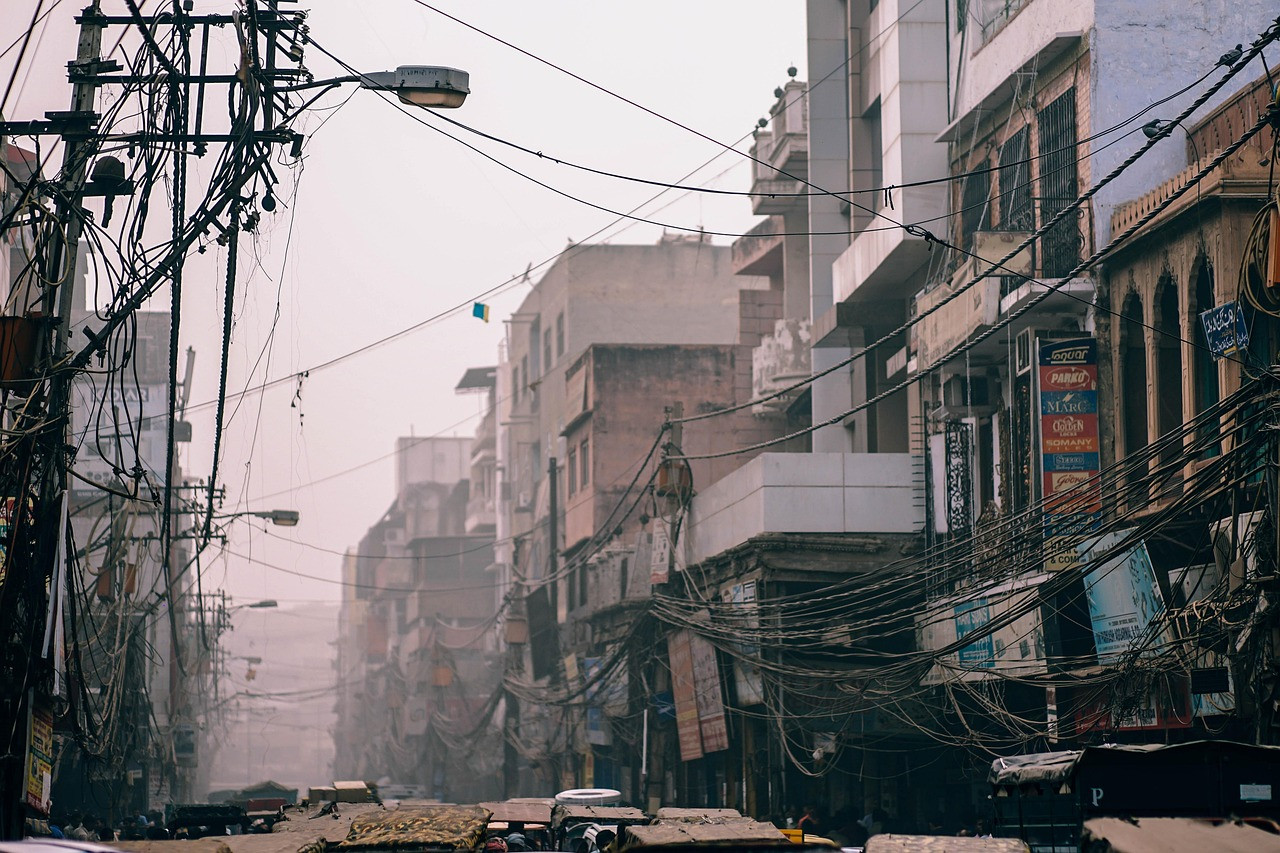
Representative image: Pexels / Pixabay
Delhi AQI hit 219 on October 21, 2026, the season's first poor reading, with a very poor 342 forecast for October 22: what it means for outdoor exercise.
What Happened
Delhi AQI slipped into the "poor" category on Wednesday, October 21, 2026, the first poor reading of the season, and forecasts show it worsening to "very poor" by Thursday. The Air Quality Early Warning System, run by the Indian Institute of Tropical Meteorology (IITM) Pune with the India Meteorological Department (IMD), showed Delhi's Air Quality Index (AQI) at 219 at 7 am, while another reading at 7.05 am put it at 227. Two monitoring stations, Jahangirpuri and Pusa, were already in the very poor band at 308 and 314.
Key Facts
- Delhi's AQI was 219 at 7 am on October 21, 2026, according to the early warning system dashboard; another 7.05 am reading was 227.
- Jahangirpuri recorded 308 and Pusa 314, both in the "very poor" band (301 to 400).
- A day earlier, on Tuesday, October 20, the city's AQI was 179 at 4 pm, in the "moderate" band.
- The early warning system forecast an AQI of 342, which is "very poor", for 9 am on Thursday, October 22.
- The last time Delhi's air was in the poor band was July 13, when the AQI was 246.
- The Central Pollution Control Board (CPCB) links the poor band (201 to 300) with breathing discomfort to most people on prolonged exposure, and the very poor band with respiratory illness on prolonged exposure.
Why It Matters
Delhi's air tends to worsen after the monsoon, when conditions for dispersing pollution weaken. The first poor reading of the season is usually the point at which the city's air stops being a background issue and starts shaping daily life. This year it arrived on October 21, three months after the last poor day in July.
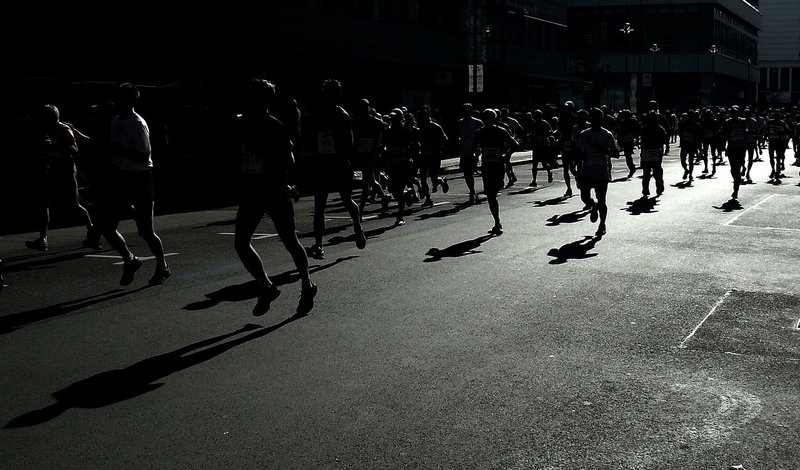
For young people who exercise outdoors, the timing matters most. Early morning is when many students and young professionals run, cycle or play in parks before college or work. It is also when readings were taken today, with the city average above 200 and two stations above 300. The AQI is a single number built from the levels of several pollutants, such as fine particles (PM2.5 and PM10), and it is grouped into bands that run from "good" to "severe". The CPCB's own description of each band is the clearest guide to what a number means. In the poor band it describes breathing discomfort to most people on prolonged exposure; in the very poor band it warns of respiratory illness on prolonged exposure. Prolonged exposure is the key phrase. A long outdoor run, during which a person breathes faster and more deeply for an hour or more, is a longer and heavier exposure than a short walk to the bus stop.
The forecast is the reason to pay attention now rather than later. The early warning system expects the AQI to reach 342 on Thursday morning, inside the very poor band. Readings also differ across the city: Jahangirpuri and Pusa were in the very poor range while the city average was still in the poor range. A runner in one neighbourhood may be breathing very different air from a friend a few kilometres away. Checking the nearest monitoring station, rather than only the city average, gives a truer picture.
| Reading | AQI | Band |
|---|---|---|
| Delhi, October 20, 4 pm | 179 | Moderate |
| Delhi, October 21, 7 am | 219 | Poor |
| Jahangirpuri, October 21 | 308 | Very poor |
| Pusa, October 21 | 314 | Very poor |
| Forecast, October 22, 9 am | 342 | Very poor |
Impact
Short-term: With the forecast pointing to the very poor band on Thursday, outdoor workouts, morning runs, school and college sports, and weekend cycling groups in Delhi are likely to be held in worse air over the coming days. Young people with asthma or other lung conditions are the most exposed and should follow the advice of their own doctors.
Long-term: If the air stays in the poor and very poor bands, it is likely to push more young people towards indoor gyms, earlier or later workout times when air may be cleaner, and closer attention to the daily AQI, and to keep pressure on the authorities to act on the sources of pollution.
Who is affected: Everyone in Delhi and the National Capital Region, but especially those who exercise or work outdoors, students who play sport, delivery workers and riders, and people with asthma, lung or heart conditions.
Key Takeaway
Delhi AQI entered the poor band on October 21, 2026 for the first time since July and is forecast to reach very poor by October 22, so anyone who exercises outdoors in the capital will be breathing worse air in the days ahead.
Questions and Answers
What is Delhi AQI today, October 21, 2026?
Delhi's Air Quality Index was 219 at 7 am on October 21, 2026, according to the early warning system run by IITM Pune and IMD, with another reading of 227 at 7.05 am. That is in the poor band. Jahangirpuri (308) and Pusa (314) were in the very poor band.
What does a "poor" AQI mean for health?
According to the Central Pollution Control Board, an AQI between 201 and 300 can cause breathing discomfort to most people on prolonged exposure. A reading between 301 and 400, the very poor band, can lead to respiratory illness on prolonged exposure.
Will Delhi's air get worse this week?
The forecast says yes. The early warning system projected an AQI of 342, in the very poor band, for 9 am on Thursday, October 22, 2026.
When was Delhi's air last in the poor category?
Before October 21, 2026, the last poor reading was on July 13, when the AQI stood at 246. On October 20, the day before the latest drop, the AQI was 179 at 4 pm, in the moderate band.
Disclaimer: Prepared by the Peepals newsroom from publicly available sources with AI assistance. Information is accurate to the best of our knowledge at the time of publication and may change. Images may be representative. Not professional advice. Report an error via our contact page.
Sourced and fact-checked by the Peepals Global Editorial Team
RRB JE city intimation slip 2026 out; CBT-1 on October 27, 28
Esports posture study: standing sharpens gamers early, tires them within an hour
Reported, fact-checked and published by the Peepals Global Editorial Team.