
Esports posture study: standing sharpens gamers early, tires them within an hour
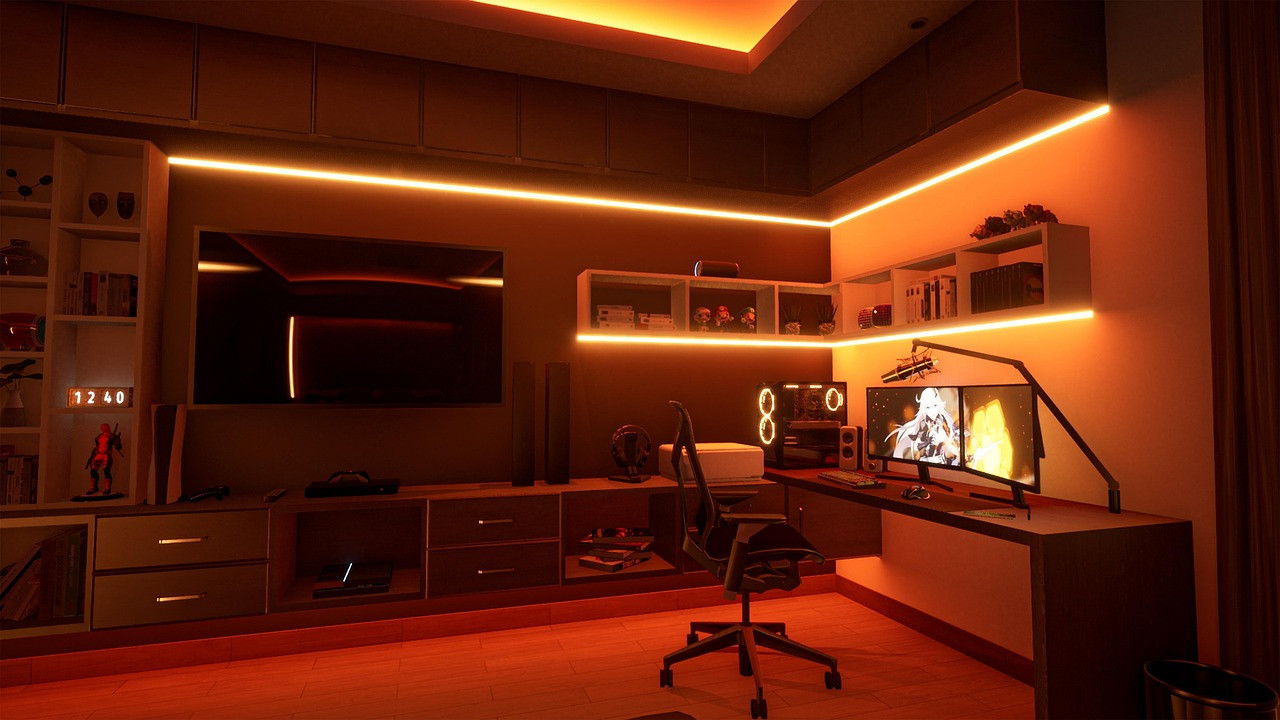
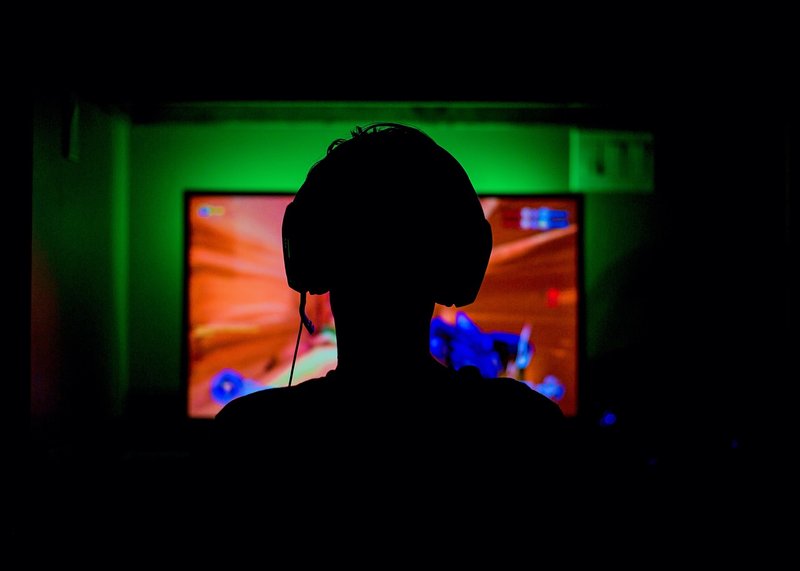
Representative image: Setupx3D / Pixabay
A study of 25 young gamers, reported October 20, 2026, found standing boosts focus early but tires players within an hour; reclining protects accuracy.
What Happened
How you sit, or stand, while gaming changes how well you think and play over a long session, according to a small study of young esports players reported on October 20, 2026. The study, published in the journal Computers in Human Behavior Reports by researchers led by Takashi Matsui, found that standing gave players an early boost in energy and focus but left them more tired after about an hour, while reclining helped them stay accurate over a long session. Leaning forward in a chair gave some of standing's early benefits without leaving the seat.
Key Facts
- The study involved 25 young adult male gamers who played a football video game for up to three hours.
- Ten players compared standing with ordinary sitting; fifteen compared leaning forward with reclining in the chair.
- Standing brought an early rise in energy and mental focus, but by the one-hour mark players were more fatigued.
- Half of the players in the standing group had to stop early because of fatigue or leg discomfort.
- Forward-leaning sitting delivered some of the early benefits of standing while players stayed seated.
- Reclining helped players keep their accuracy on a thinking task across the long session.
- A related paper by the same team found that standing for 30 minutes or less improved vitality (a feeling of energy), executive function (the mental skills used to plan, focus and decide) and shooting performance, while standing for more than an hour led to mental fatigue and lower accuracy.
Why It Matters
Gaming is a daily habit for many young people, and for a growing number it is also a competitive pursuit. Sessions often run for hours. Most advice about gaming and health concentrates on screen time, eyes and sleep. This study looks at something more basic: the body's position while playing, and how it shapes the brain's performance over time.
The findings push against two easy assumptions. The first is that standing is always the healthier and sharper choice. In this study standing did help at first, lifting energy and focus, but the benefit faded. After about an hour, standing players were more tired, and half of the standing group had to stop because of fatigue or discomfort in their legs. The second assumption is that slouching back in a chair is always bad for performance. Here, reclining slowed early responses a little, according to the related paper, but helped players hold their accuracy over a long session.
The researchers' wider point is that the best position depends on how long you play. For a short session, standing or sitting forward may give a sharper start. For a long one, a supported, reclined position may protect accuracy as fatigue sets in. Forward-leaning seating sat between the two, giving some of standing's early lift while players stayed seated. The results suggest that gamers, and the people who design gaming setups, could plan posture changes across a session rather than pick one position for hours.
There are clear limits. The study is small, with 25 participants, all young adult men, so the results may not apply to women, teenagers or older players. Players used one football game, and other kinds of games may make different demands. The related paper and the journal study describe their groups slightly differently, so it is not certain they report exactly the same experiment. Separately, a 2026 review of exercise trials in esports players found only ten randomised trials, a sign that research in this field is still young.
| Position | Early in the session | After about an hour |
|---|---|---|
| Standing | More energy and focus | More fatigue; half the group stopped early |
| Forward-leaning sitting | Some of standing's early benefits | Players stayed seated |
| Reclined sitting | Slightly slower early responses | Accuracy better maintained |
Impact
Short-term: For students and young people who game for long stretches, the study is a reason to think about posture during play, not only about screen time. Standing desks and gaming chairs that recline or tilt forward may be used differently depending on how long a session is planned to last.
Long-term: If larger studies confirm the results, esports teams, coaches and equipment makers may design training sessions and gaming setups around changes in posture over time, much as traditional athletes plan rest and recovery.
Who is affected: Casual and competitive gamers, college esports players, coaches of esports teams, makers of gaming chairs and desks, and parents trying to understand the effects of long gaming sessions on their children.
Key Takeaway
A small study reported on October 20, 2026 found that standing sharpens gamers early but tires them within an hour, while reclining helps them stay accurate over a long session, so the best posture depends on how long you play.
Questions and Answers
Is it better to stand or sit while gaming?
According to a study reported on October 20, 2026, it depends on the length of the session. Standing gave young male players more energy and focus at first, but after about an hour they were more tired, and half of the standing group stopped early. Reclining helped players keep their accuracy over a long session.
What did the esports posture study involve?
Twenty-five young adult male gamers played a football video game for up to three hours. Ten compared standing with ordinary sitting, and fifteen compared leaning forward with reclining. The findings were published in Computers in Human Behavior Reports by researchers led by Takashi Matsui.
How long can a gamer stand before it starts to hurt performance?
A related paper by the same team found that standing for 30 minutes or less improved players' sense of energy, their executive function (the mental skills used to plan, focus and decide) and their shooting performance, while standing for more than an hour led to mental fatigue and lower accuracy.
Do these results apply to everyone who games?
Not necessarily. The study was small and included only young adult men playing one football game. Results may differ for women, teenagers, older players and other kinds of games, and larger studies are needed.
Disclaimer: Prepared by the Peepals newsroom from publicly available sources with AI assistance. Information is accurate to the best of our knowledge at the time of publication and may change. Images may be representative. Not professional advice. Report an error via our contact page.
Sourced and fact-checked by the Peepals Global Editorial Team
Reported, fact-checked and published by the Peepals Global Editorial Team.