
Gymnastics still failing young athletes, Nassar case judge says at worlds
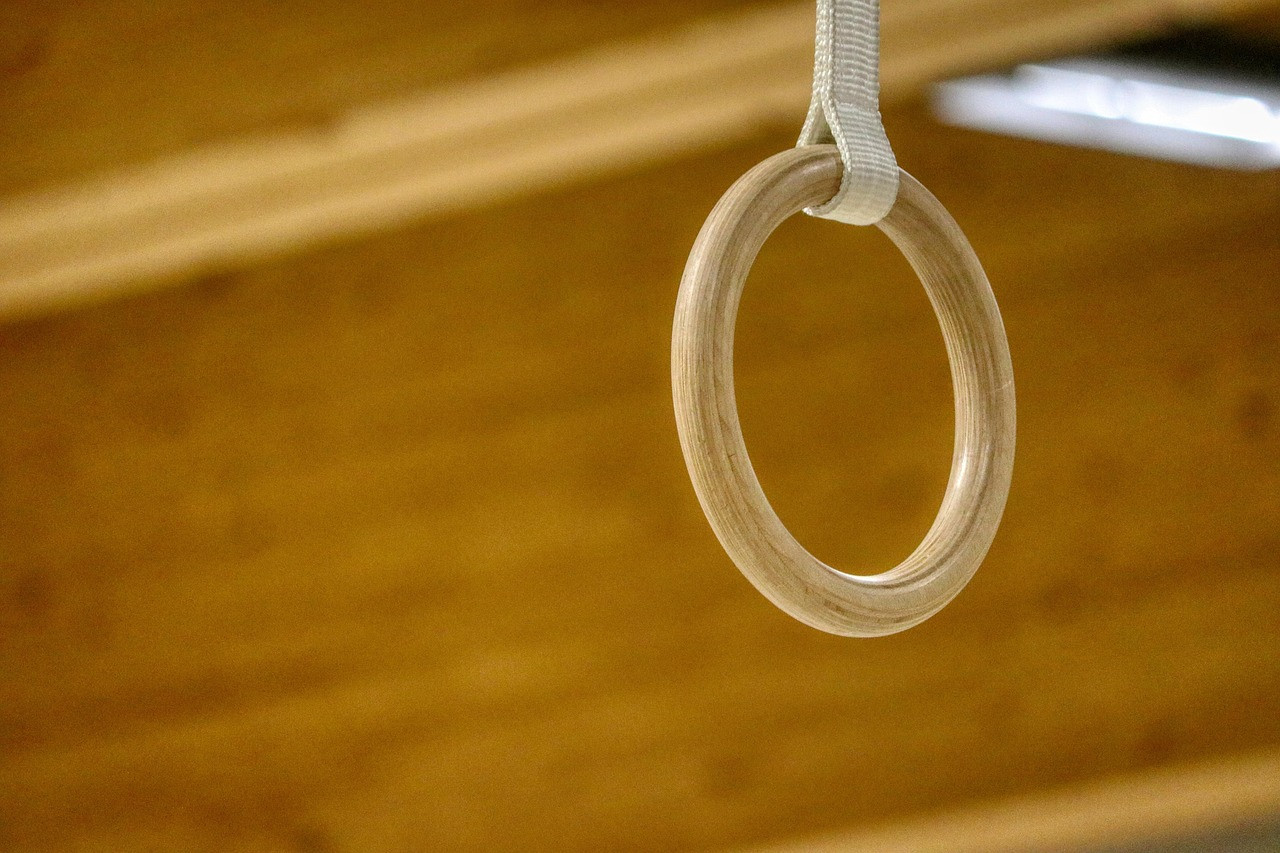
Representative image: planet_fox / Pixabay
Judge Rosemarie Aquilina said on October 19, 2026, that gymnastics reforms since the Nassar case are 'window dressing' and young athletes still fear speaking up.
What Happened
Gymnastics is still failing its athletes "in almost every way" despite the reforms that followed the Larry Nassar abuse scandal, Judge Rosemarie Aquilina said in Rotterdam in remarks reported on Monday, October 19, 2026. Aquilina, the Ingham County, Michigan, judge who sentenced the former USA Gymnastics team doctor in January 2018, was speaking at an event organised by the athlete group Gymnasts for Change International alongside the 2026 Artistic Gymnastics World Championships, which run in the Dutch city from October 17 to 25. She described many of the changes made by governing bodies as "window dressing" and said young athletes still fear that speaking up could cost them their place in the sport.
Key Facts
- Who: Judge Rosemarie Aquilina, who presided over the 2018 sentencing of Larry Nassar for sexually abusing young female gymnasts.
- Where and when: an event held by Gymnasts for Change International in Rotterdam, the Netherlands, on October 19, 2026, during the Artistic Gymnastics World Championships (October 17 to 25 at Rotterdam Ahoy).
- Purpose of the event: to take stock of athlete welfare since the Nassar case and set out priorities for the sport's incoming leadership.
- Aquilina's view: reforms have been largely "window dressing" and governing bodies are still not being held accountable.
- She said putting medals ahead of human rights or safety "is completely unacceptable, but we know it still happens", and that real change could take decades.
- Kim Shore of Gymnasts for Change Canada listed problems she said persist in coaching: "There's still yelling, training on injuries, body shaming, preoccupation with thinness."
- World Gymnastics and USA Gymnastics were not immediately available to comment.
Why It Matters
Gymnastics is one of the few Olympic sports in which athletes, especially girls, often reach the top level in their teens. That means the people with the most power over a young gymnast's life, coaches, team doctors, selectors and federation officials, are adults, while the athletes themselves may be children. The Nassar case, in which more than 150 women and girls gave statements at his 2018 sentencing hearing, showed how that imbalance can be exploited when complaints are ignored and success is placed above welfare.
Aquilina's message is that the rules written since then have not yet changed that imbalance enough. Her core point is about voice. "Without a voice, there's no choice and there's no change," she said. If young athletes believe that reporting abuse, an injury or harsh treatment will cost them their place on a team, they will stay silent, and problems will continue regardless of what the official policies say.
The concerns raised by Gymnasts for Change Canada go beyond abuse in the narrow sense. Training through injuries, shouting, comments about body shape and an obsession with being thin are everyday practices that athletes' groups have long described as harmful to physical and mental health. For a teenager, those pressures arrive at the same time as growth, exams and the ordinary stress of adolescence.
For young athletes everywhere, including the growing number of Indian children in gymnastics, swimming, athletics and other early-specialisation sports, the lesson is practical. Talent and training matter, but so do a coach who explains rather than shouts, rest when injured, and an adult outside the sport whom the athlete trusts. Families can ask clubs and academies what their safeguarding policy is and who a child can report concerns to without going through their own coach.
Impact
Short-term: The remarks, made during the world championships, put athlete welfare in the spotlight while the sport's leaders and federations are gathered in one place, and add pressure on governing bodies to answer the criticism.
Long-term: Athlete groups want independent reporting systems, accountability for officials who ignore complaints, and a coaching culture that does not treat pain, fear and extreme thinness as part of success. Aquilina's own estimate is that such change could take decades.
Who is affected: Young gymnasts and their families; coaches, clubs and national federations; World Gymnastics and national bodies such as USA Gymnastics; and athletes in other sports where children train intensively from an early age.
Key Takeaway
Judge Rosemarie Aquilina said on October 19, 2026, that gymnastics reforms since the Larry Nassar case have been largely "window dressing" and that young athletes are still afraid to speak up.
Questions and Answers
What did the Nassar judge say about gymnastics in October 2026?
In remarks in Rotterdam reported on October 19, 2026, Judge Rosemarie Aquilina said gymnastics is still failing athletes in almost every way, that many reforms are "window dressing", and that athletes still fear losing their place if they speak out.
Who is Rosemarie Aquilina?
She is the Ingham County, Michigan, judge who in January 2018 sentenced Larry Nassar, the former USA Gymnastics team doctor, to 40 to 175 years in prison for sexually abusing young female athletes.
What problems do athlete groups say still exist in gymnastics?
Gymnasts for Change Canada's Kim Shore pointed to yelling, training on injuries, body shaming and a preoccupation with thinness in coaching.
What can young athletes and parents do?
Ask the club or academy for its safeguarding policy and how concerns can be reported, look for coaches who explain rather than shout, and make sure the athlete has a trusted adult outside the sport to talk to.
Disclaimer: Prepared by the Peepals newsroom from publicly available sources with AI assistance. Information is accurate to the best of our knowledge at the time of publication and may change. Images may be representative. Not professional advice. Report an error via our contact page.
Sourced and fact-checked by the Peepals Global Editorial Team
Reported, fact-checked and published by the Peepals Global Editorial Team.