
Labour Codes at one year: Mandaviya pushes overseas jobs talks for youth
 By Kabir SethiStaff Writer, Peepals Yuva
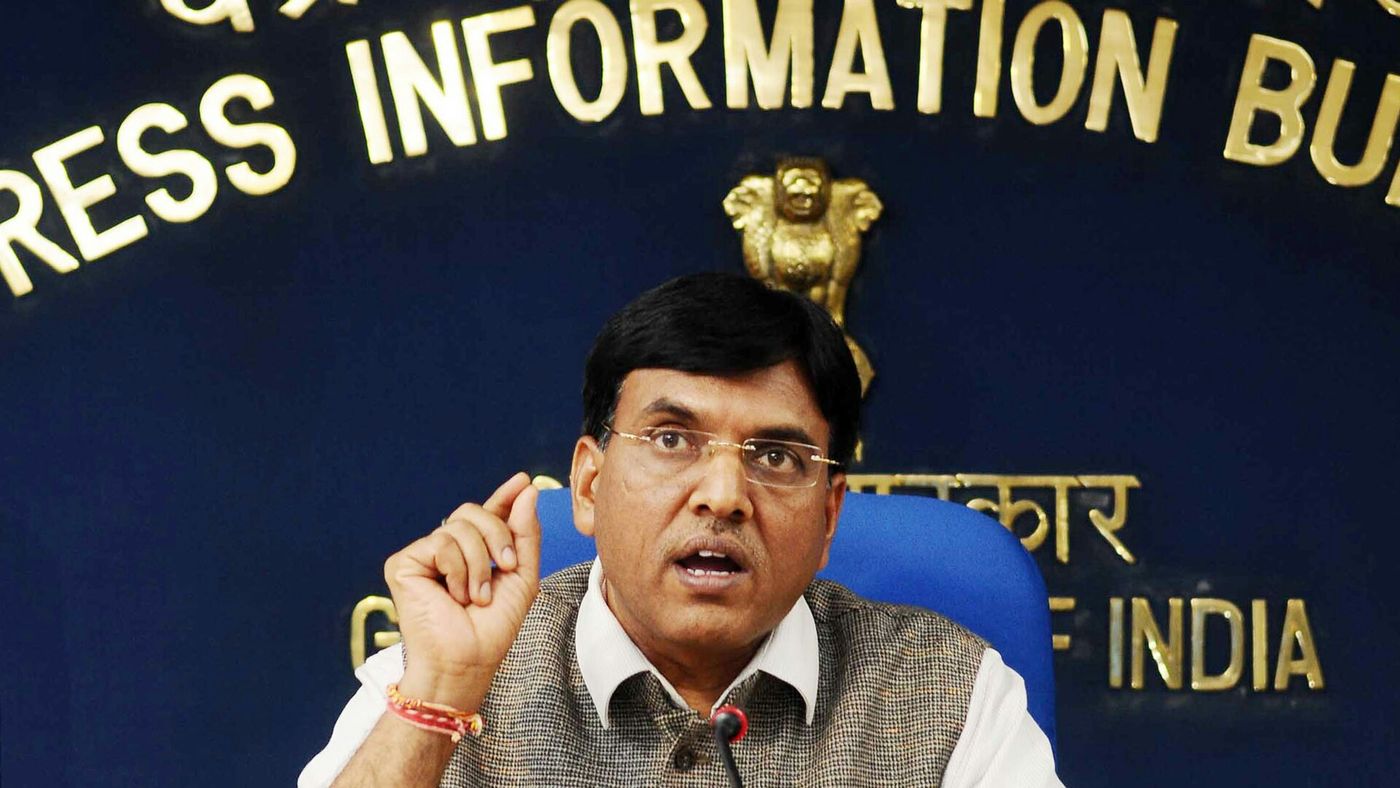
File photo: Ministry of Chemicals and Fertilizers (GODL-India), via Wikimedia Commons
At a Gandhinagar meet marking a year of the Labour Codes on 21 November 2026, Mansukh Mandaviya urged talks on overseas jobs for young Indians and cited 101 crore covered by social security.
Labour Codes: what happened
Union Labour and Employment Minister Mansukh Mandaviya on Saturday, 21 November 2026, called for discussions on international employment opportunities for India's young people and on the movement of Indian workers across borders, at a two-day "Chintan Shivir" of state labour, employment and industry ministers in Gandhinagar, Gujarat. The meeting, co-chaired with Gujarat Chief Minister Bhupendra Patel, marks one year since India's four Labour Codes came into force on 21 November 2025. Mandaviya said social security coverage has grown from 25 crore people in 2014 to 101 crore in 2026.
Labour Codes: key facts
- Event: two-day Chintan Shivir (brainstorming meeting) of labour, employment and industry ministers of states and union territories, 21-22 November 2026, Gandhinagar.
- Occasion: one year since the Labour Codes took effect on 21 November 2025.
- Chairs: Union Labour Minister Mansukh Mandaviya and Gujarat Chief Minister Bhupendra Patel; Minister of State Shobha Karandlaje also attended.
- Youth focus: Mandaviya pointed to rising global demand for skilled Indian workers and urged deliberation on overseas jobs for young people and cross-border worker mobility.
- What the Codes cover, as listed by the minister: minimum wages, wider social security and fixed-term employment, with lighter compliance for industry.
- Social security: coverage rose from 25 crore in 2014 to 101 crore in 2026, according to the minister.
- Agenda: Labour Code implementation, employment initiatives, reforms at the Employees' Provident Fund Organisation (EPFO) and Employees' State Insurance Corporation (ESIC), social security for unorganised workers, labour statistics, the Shram Suvidha and SAMADHAN portals, and pension schemes such as PM-SYM and NPS-Traders.
Labour Codes: why it matters
For young people entering the job market, the Labour Codes set the basic rules of work: what counts as a minimum wage, when an employer must provide social security, and how contracts work. One feature the minister highlighted, fixed-term employment, matters especially to first-jobbers. It lets employers hire people for a set period under a written contract.
The minister's remarks on overseas jobs point to a second opening. With demand for skilled Indian workers rising abroad, the government wants states to discuss how young people can be trained, matched and protected when they take jobs in other countries. For students choosing a course, that makes skills that are recognised internationally worth a closer look. No specific scheme was announced on the first day, so the details of any overseas-jobs plan are still to come.
The social security figure is the headline number for the government. Social security here means coverage under schemes such as provident fund, state insurance and pensions. For young gig and platform workers, who often do not have a single employer, the Codes' provisions on social security for unorganised workers are the ones to watch, and the meeting put that topic on its agenda.
The second day's discussions, and any announcements from them, were still to be reported at the time of writing.
Peepals calculation: social security coverage rising from 25 crore in 2014 to 101 crore in 2026 is a four-fold increase (101 / 25 = 4.04), or 76 crore more people over 12 years, an average of about 6.3 crore a year (76 / 12). Our calculation from the reported figures.
| Measure | Figure |
|---|---|
| Social security coverage, 2014 | 25 crore |
| Social security coverage, 2026 | 101 crore |
| Increase | 76 crore (about 4 times) |
| Labour Codes in force since | 21 November 2025 |
Labour Codes: impact
Short-term: States and the Centre are reviewing how the Codes are working on the ground, including EPFO and ESIC reforms that affect new employees' provident fund and health insurance.
Long-term: If the overseas-employment discussion leads to a structured programme, young Indians could gain safer, better-regulated routes to jobs abroad, alongside stronger social security at home.
Who is affected: young job seekers and first-jobbers, fixed-term and contract workers, gig and platform workers, employers, and state labour departments.
What to watch next: outcomes from the second day of the Chintan Shivir on 22 November and any follow-up on overseas employment for youth.
Labour Codes: key takeaway
Young job seekers should check whether their employer enrols them in provident fund and ESIC, and watch for any government programme on overseas jobs that follows this meeting.
Labour Codes: questions and answers
When did the Labour Codes come into force?
On 21 November 2025. The Gandhinagar Chintan Shivir on 21-22 November 2026 marks their first anniversary.
What did Mandaviya say about jobs abroad?
He said there is rising global demand for skilled Indian workers and called for discussions on international employment opportunities for young people and the mobility of Indian workers across borders.
What is fixed-term employment?
It is a job for a fixed period under a written contract. The minister listed it among the areas covered by the Labour Codes.
How many people have social security coverage?
About 101 crore in 2026, up from 25 crore in 2014, according to the minister.
Disclaimer: Prepared by the Peepals newsroom from publicly available sources with AI assistance. Information is accurate to the best of our knowledge at the time of publication and may change. Images may be representative. Not professional advice. Report an error via our contact page.
By Kabir Sethi, Staff WriterCovers Education and more for Peepals Yuva. All stories by Kabir Sethi
PS Plus December 2026: Granblue Fantasy Relink, Somerville leave December 15
Vikalp Tiwari: Chhattisgarh's 17-year-old captain hits 119 off 56 in SMAT
Your week ahead, every Sunday. Free.
Exam and result dates, IPOs opening, scheme deadlines, government holidays and the RBI decision for the next 7 days, plus the week's top stories. One email a week, unsubscribe in one click.
Kabir Sethi is a pen name of the Peepals Global Editorial Team, which researches, fact-checks and publishes every story. The portrait is an illustration.
Responsible for this story: the Peepals Global Editorial Team, led by editor Prashant Sonar. How we report