
ixigo co-founder's fund offers IIT Kanpur graduates Rs 10 lakh start-up funding
 By Aarav DeshpandeSports Correspondent, Peepals Yuva

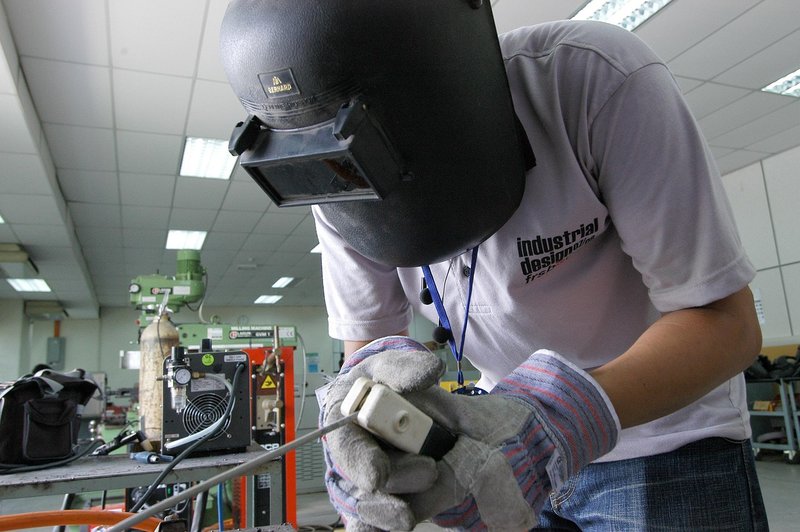
Representative image: erwinbosman / Pixabay
ixigo co-founder Rajnish Kumar's Rs 1 crore Made in Fire Fund will give 10 start-ups from each IIT Kanpur graduating batch Rs 10 lakh each without taking equity.
What Happened
Rajnish Kumar, co-founder and Group Co-CEO of the travel booking platform ixigo, has launched the Made in Fire Fund, a Rs 1 crore fund for start-ups built by graduating students of the Indian Institute of Technology Kanpur, according to an announcement reported on October 28, 2026. Starting with the Class of 2026, the fund plans to back 10 technology-led start-ups from each graduating batch with Rs 10 lakh each in non-dilutive prototype funding, along with mentoring from Kumar and ixigo's leadership team.
Key Facts
- Fund: the Made in Fire Fund, with a total corpus of Rs 1 crore.
- Founder of the fund: Rajnish Kumar, co-founder and Group Co-CEO of ixigo and an IIT Kanpur alumnus.
- Who can apply: graduating IIT Kanpur students, either on their own or as founding teams.
- First batch: the Class of 2026.
- Support per start-up: Rs 10 lakh of non-dilutive prototype funding, meaning the founders do not give up any shares in return.
- Number of start-ups: 10 per graduating batch.
- Other help: mentoring from Kumar and ixigo's leadership, product reviews, go-to-market guidance, hiring support and access to ixigo's wider network, including introductions to investors.
- Focus: technology-led ventures that solve real problems across sectors.
Why It Matters
For a student who wants to build a company straight out of college, the hardest money to find is the first few lakh rupees. That is the stage at which an idea has to become a working prototype, a first version of the product that can be shown to users and investors. Most venture capital funds invest later, once there is a product and some sign of demand, and they take a share of the company in return. A grant-like cheque at the prototype stage fills a gap that many young founders struggle with.
The word "non-dilutive" is the key detail for students. When a founder raises money by selling shares, their own stake in the company shrinks, or is diluted. Non-dilutive funding does not take any shares. For a team of two or three graduates with no revenue, keeping full ownership in the earliest months can make later fundraising easier and fairer, because they negotiate from a stronger position when the first investor arrives.
Kumar said the idea came directly from students. "After my speech, many students came up to me asking how they could start building something of their own and what kind of support they could get," he said, adding that this was one of the reasons he announced the fund at IIT Kanpur, "to back young founders at the very beginning of their journey."
The fund is also an example of a pattern in Indian start-up culture: founders who have built companies returning to their own institutions to fund the next generation. ixigo itself was started by IIT Kanpur graduates. Alumni-backed funds tied to a single campus are small, but they give students something a large fund rarely offers at this stage: direct access to people who have already been through the journey of building and scaling a company in India.
| Item | Detail |
|---|---|
| Fund size | Rs 1 crore |
| Start-ups per batch | 10 |
| Cheque per start-up | Rs 10 lakh, non-dilutive |
| First eligible batch | IIT Kanpur Class of 2026 |
Impact
Short-term: Graduating IIT Kanpur students with a technology idea now have a defined source of early money and mentoring. Up to 10 teams from the Class of 2026 can be selected for Rs 10 lakh each.
Long-term: If the first teams build working products and go on to raise larger rounds, the model may encourage other founders and alumni to set up similar prototype funds at their own colleges, widening the base of student start-ups beyond a few campuses.
Who is affected: Final-year and graduating students at IIT Kanpur who want to start a company; their faculty and the institute's incubation ecosystem; and early-stage investors who look for campus start-ups at the idea stage.
Key Takeaway
The Made in Fire Fund offers 10 start-ups from each IIT Kanpur graduating batch Rs 10 lakh each without taking equity, starting with the Class of 2026.
What students should do next: graduating IIT Kanpur students with a technology idea should watch the institute's and the fund's official announcements for the application process and deadline, and prepare a short plan of the problem, the prototype and the team.
Questions and Answers
What is the Made in Fire Fund?
It is a Rs 1 crore fund launched by ixigo co-founder Rajnish Kumar to back start-ups founded by graduating IIT Kanpur students, beginning with the Class of 2026.
How much money does each selected start-up get?
Each of the 10 start-ups selected from a graduating batch gets Rs 10 lakh in non-dilutive prototype funding, so the founders do not have to give up shares.
Who can apply?
Graduating students of IIT Kanpur can apply on their own or as a founding team. The fund is focused on technology-led ventures.
Is it only money?
No. Selected founders also get mentoring from Kumar and ixigo's leadership, product reviews, help with go-to-market plans and hiring, and introductions through ixigo's wider network.
Disclaimer: Prepared by the Peepals newsroom from publicly available sources with AI assistance. Information is accurate to the best of our knowledge at the time of publication and may change. Images may be representative. Not professional advice. Report an error via our contact page.
By Aarav Deshpande, Sports CorrespondentCovers Sports and more for Peepals Yuva. All stories by Aarav Deshpande
Get the day's stories in your inbox
Peepals Weekly: the week decoded, free. One email a week, unsubscribe in one click.
Aarav Deshpande is a pen name of the Peepals Global Editorial Team, which researches, fact-checks and publishes every story. The portrait is an illustration.