
NCERT AI module: 20 hours on deepfakes, data privacy for Classes 9-12
 By Kabir SethiEducation Correspondent, Peepals Yuva
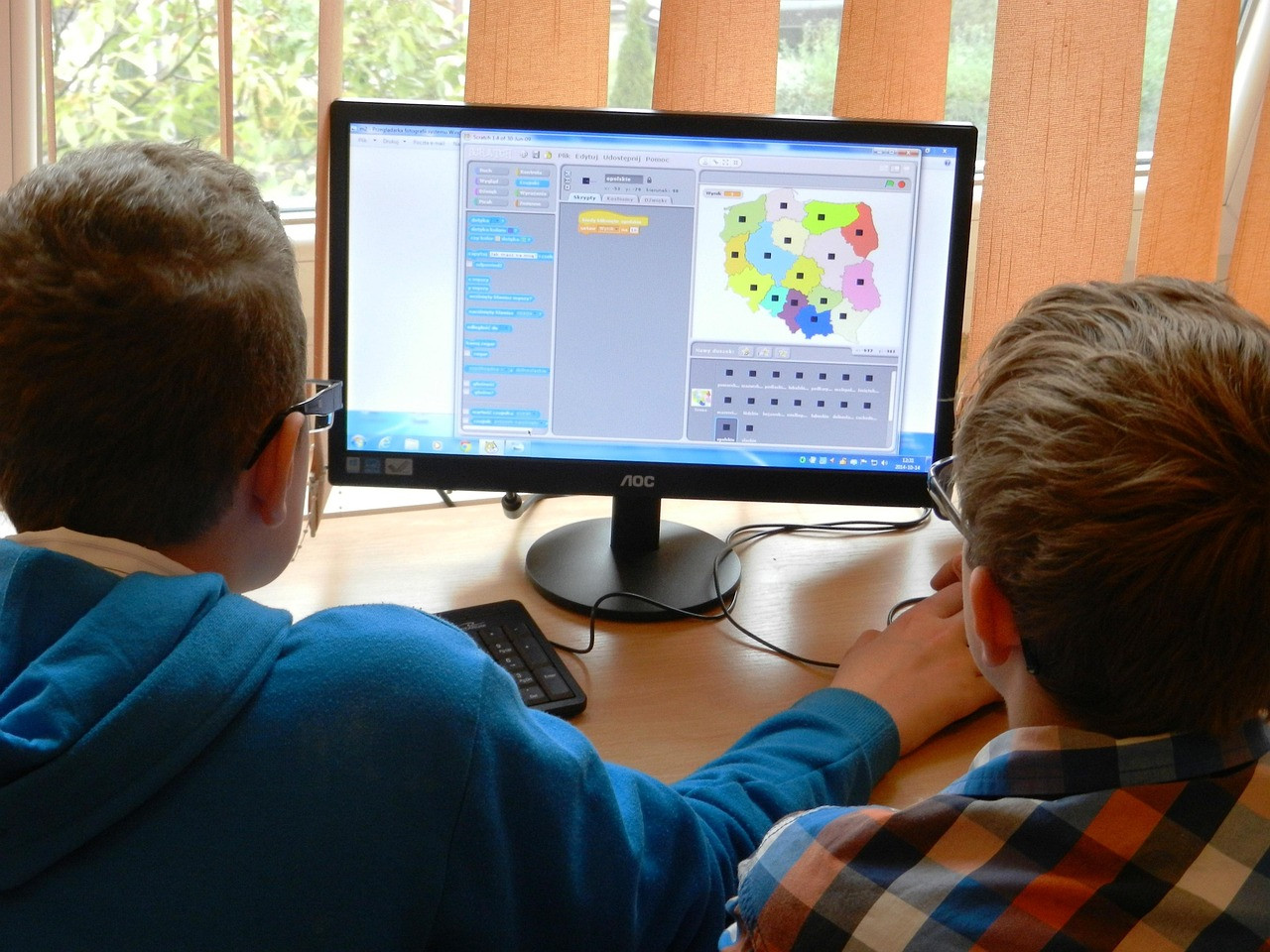
Representative image: Tomasz_Mikolajczyk / Pixabay
NCERT has released a 20-hour AI and computational thinking module for Classes 9 to 12, built with IIT Madras and IIT Jodhpur, reported on 24-25 October 2026.
What Happened
The National Council of Educational Research and Training (NCERT) has released a 20-hour introductory module on computational thinking and artificial intelligence (AI) for students of Classes 9 to 12, reported on 24 and 25 October 2026. The module was developed with faculty from IIT Madras and IIT Jodhpur, assumes no earlier knowledge of AI, and covers how machines learn, deepfakes, misinformation, data privacy and the ethical use of AI tools.
Key Facts
- Who released it: NCERT, the national body that prepares school textbooks and curriculum material under the Union education ministry.
- Who it is for: students of Classes 9, 10, 11 and 12.
- Length: about 20 hours of learning in total.
- Partners: the material was developed with faculty members of IIT Madras and IIT Jodhpur.
- No prior knowledge needed: it is written for students who have never studied AI.
- Method: activity-based learning built on discussion, practical exercises, experiments and reflection; the activities can be done with or without digital devices.
- Topics: AI in everyday life, how machines learn from examples, computational thinking, deepfake detection, misinformation, data privacy, fairness, digital safety and the responsible use of AI tools.
Why It Matters
Computational thinking means breaking a problem into smaller steps, spotting patterns and writing clear instructions that a person or a computer can follow. It is the habit of mind behind programming, but it can be taught without a computer. Artificial intelligence, in the sense the module uses, means computer systems that learn from examples of data rather than following only fixed rules written by a programmer. A student who understands both can judge what an AI tool can and cannot do, instead of treating its answer as always correct.
The focus on deepfakes and misinformation is the most practical part for teenagers. A deepfake is a fake image, video or voice recording made with AI so that it looks or sounds like a real person. Such content now spreads quickly on messaging apps and social media, and students are both likely viewers and possible targets. A module that teaches them to question a clip, check where it came from and think about consent before sharing goes beyond theory.
The module also sits beside existing options rather than replacing them. The Central Board of Secondary Education (CBSE) already offers AI as an optional skill subject, and the education ministry has said that 18,839 CBSE schools offer AI as a skill subject from Class 6. The government told the Lok Sabha that more than 7.9 lakh Class 9 and 10 CBSE students opted for the AI subject in the 2024-25 session. The new NCERT material is a short introduction meant for students with no background, so it can reach those who never chose the AI subject. The National Education Policy 2020 had recommended that schools build computational thinking and digital skills from an early stage.
What students should do next: look for the module on NCERT's official website, ask your school whether it will be used in class or in activity periods, and treat it as a starting point before choosing AI, computer science or data courses after Class 10 or Class 12.
| Item | Detail |
|---|---|
| Body | NCERT |
| Classes | 9 to 12 |
| Duration | About 20 hours |
| Developed with | IIT Madras, IIT Jodhpur |
| Key topics | Machine learning basics, deepfakes, data privacy, ethics |
Impact
Short-term: Schools and teachers now have a ready, free introduction to AI that does not depend on a computer lab, which matters for schools with few devices or poor internet. Students can use it on their own to understand the AI tools they already meet on their phones.
Long-term: If schools adopt it widely, more students may reach college with a basic grasp of how AI works and how it can mislead, which helps in fields from engineering to journalism. It is not yet clear from the reports whether the module will be compulsory or how it will be assessed, and that will decide how many students actually study it.
Who is affected: Students of Classes 9 to 12, school teachers, CBSE and state-board schools, parents, and colleges that will later teach these students.
Key Takeaway
NCERT's new 20-hour module, built with IIT Madras and IIT Jodhpur, gives Class 9 to 12 students a no-prior-knowledge introduction to AI, deepfakes and data privacy that can be taught even without computers.
Questions and Answers
What is the NCERT AI module for Classes 9 to 12?
It is a 20-hour introductory module on computational thinking and artificial intelligence released by NCERT and developed with faculty from IIT Madras and IIT Jodhpur. It covers how machines learn, everyday uses of AI, deepfakes, misinformation, data privacy and ethical use.
Do students need to know coding or AI before starting?
No. The module is designed for students with no earlier knowledge of AI, and its activities can be done with or without digital devices.
Is this the same as the CBSE AI subject?
No. CBSE separately offers AI as an optional skill subject, which many Class 9 and 10 students already take. The NCERT module is a short introduction that any student can use, whether or not they have chosen that subject.
Where can students find the module?
NCERT publishes its curriculum material on its official website, ncert.nic.in. Students should also ask their school how and when it will be used in class.
Disclaimer: Prepared by the Peepals newsroom from publicly available sources with AI assistance. Information is accurate to the best of our knowledge at the time of publication and may change. Images may be representative. Not professional advice. Report an error via our contact page.
By Kabir Sethi, Education CorrespondentCovers Education and more for Peepals Yuva. All stories by Kabir Sethi
Kabir Sethi is a pen name of the Peepals Global Editorial Team, which researches, fact-checks and publishes every story. The portrait is an illustration.