
When do the clocks change? UK went back October 25, US follows November 1
 By Rhea MalhotraDigital Life Writer, Peepals Yuva
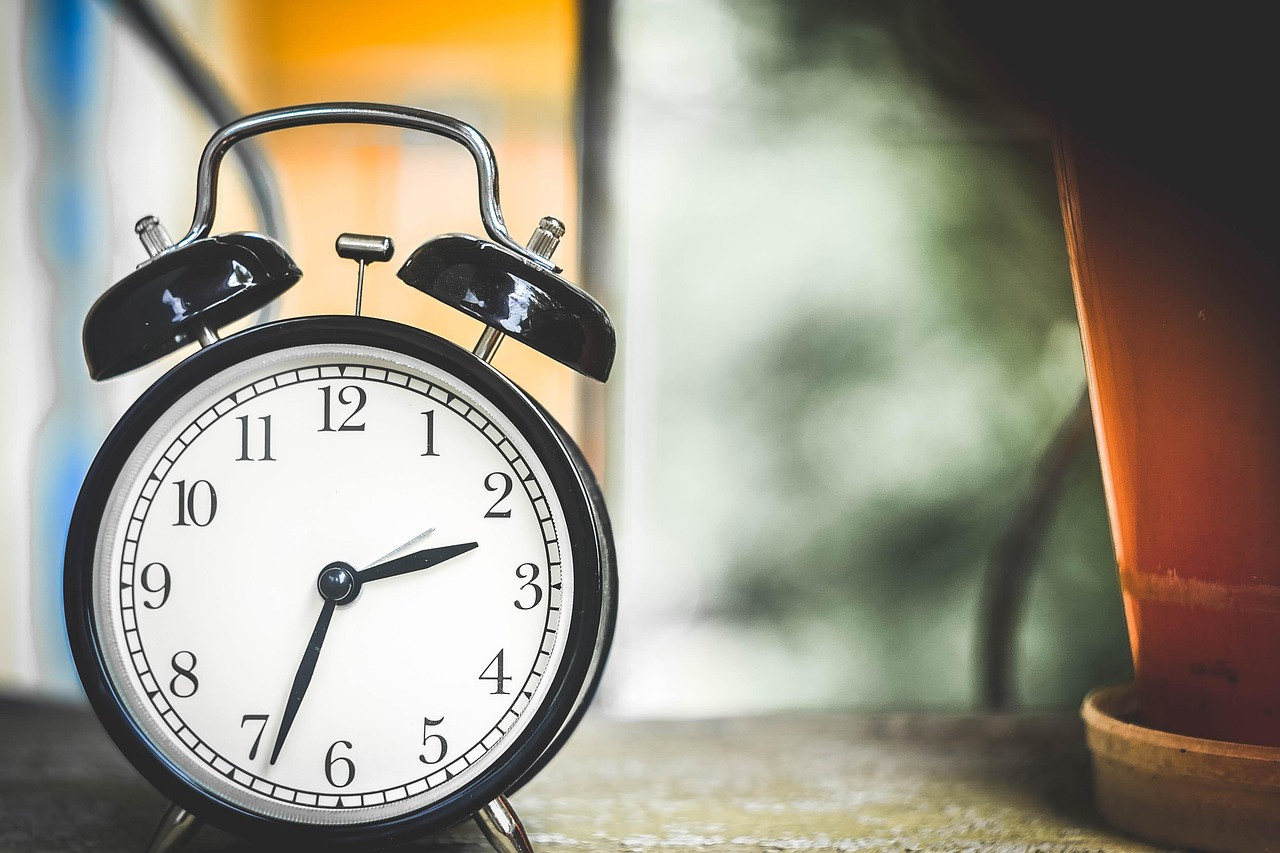
Representative image: obpia30 / Pixabay
UK clocks went back an hour on 25 October 2026 and the US follows on 1 November, so India's time gap with both grows by an hour.
What Happened
When do the clocks change? In the United Kingdom they went back one hour at 2 am on Sunday, 25 October 2026, ending British Summer Time and returning the country to Greenwich Mean Time (GMT). In the United States and Canada, daylight saving time ends a week later, at 2 am local time on Sunday, 1 November 2026, the earliest date the American rule allows. India does not change its clocks, so the time gap between India and these countries has grown, or is about to grow, by one hour.
Key Facts
- UK and Ireland: clocks went back at 2 am on Sunday, 25 October 2026, so 2 am BST became 1 am GMT.
- Next UK change: clocks go forward again on Sunday, 28 March 2027.
- US and Canada: daylight saving time ends at 2 am local time on Sunday, 1 November 2026, the first Sunday of November.
- India: Indian Standard Time (IST) stays at five and a half hours ahead of GMT all year, because India does not use daylight saving time.
- India-UK gap: it has widened from 4 hours 30 minutes to 5 hours 30 minutes, so 7 pm in India is now 1:30 pm in London.
- India-US East Coast gap: from 1 November it widens from 9 hours 30 minutes to 10 hours 30 minutes.
- Devices: phones and computers with automatic time settings update on their own; car clocks, some watches and kitchen appliances need changing by hand.
Why It Matters
For many young Indians, the clock change abroad is not a foreign curiosity but part of their daily routine. Students at universities in the UK, the US and Canada see their days get shorter, with earlier sunsets from this week. Graduates working from India for British or American clients, or in the global capability centres of foreign companies, will find that a meeting set for the same London or New York time now falls an hour later in India. Families calling a son or daughter abroad will also need to adjust.
Daylight saving time is the practice of moving clocks forward by an hour in spring so that evenings have more daylight, and back again in autumn. Countries far from the equator use it because their day length changes a lot between seasons. India, closer to the equator, keeps one time zone, IST, through the year. That is why the change happens on only one side: the UK and the US move, India stays still, and the gap shifts.
The change also affects sleep. Sleep experts quoted this week say the extra hour in autumn is not guaranteed rest, because the body clock does not reset overnight: many people still wake at their usual body-clock time, which now shows as an hour earlier on the clock. Their common advice is to keep a steady wake-up time rather than sleeping in, to get natural daylight in the morning to help reset the internal clock, and, for those who can plan ahead, to shift bedtime by about 15 minutes a day in the days before the change. These are general tips from sleep specialists, not medical advice.
For students and first-jobbers, the practical step is simple: check every recurring call, class or shift that is set in UK or US time, and update calendar entries that were typed in by hand.
| Country | Change date | Gap with India after change |
|---|---|---|
| United Kingdom | 25 October 2026 | 5 hours 30 minutes |
| Ireland | 25 October 2026 | 5 hours 30 minutes |
| United States (Eastern) | 1 November 2026 | 10 hours 30 minutes |
| India | No change | Not applicable |
Impact
Short-term: For the week between 25 October and 1 November, the gap with the UK has changed but the gap with the US has not, which can confuse meetings that involve all three countries. Indian students in Britain will notice darker evenings straight away.
Long-term: The UK and the US will move their clocks forward again in spring 2027, and the gap with India will shrink back by an hour. Proposals in the US to stop changing the clocks have not become law, so the November change goes ahead.
Who is affected: Indian students abroad, young professionals in India working with UK, US or Canadian teams, families with members overseas, and anyone travelling between these countries in the coming weeks.
Key Takeaway
The UK's clocks went back on 25 October and the US follows on 1 November, so India is now 5 hours 30 minutes ahead of London and will be 10 hours 30 minutes ahead of New York.
Questions and Answers
When do the clocks change in 2026?
In the UK and Ireland the clocks went back one hour at 2 am on Sunday, 25 October 2026. In the US and Canada they go back at 2 am local time on Sunday, 1 November 2026.
Does India change its clocks?
No. India keeps Indian Standard Time, five and a half hours ahead of GMT, all year and does not use daylight saving time.
What is the time difference between India and the UK now?
Since 25 October 2026, India is 5 hours 30 minutes ahead of the UK, one hour more than during British Summer Time. For example, 7 pm in India is 1:30 pm in London.
How can I adjust my sleep after the clocks go back?
Sleep specialists suggest keeping the same wake-up time, getting daylight early in the morning, and shifting bedtime gradually by about 15 minutes a day around the change.
Disclaimer: Prepared by the Peepals newsroom from publicly available sources with AI assistance. Information is accurate to the best of our knowledge at the time of publication and may change. Images may be representative. Not professional advice. Report an error via our contact page.
By Rhea Malhotra, Digital Life WriterCovers Digital Life and more for Peepals Yuva. All stories by Rhea Malhotra
Kashmir Marathon 2026: 1,807 sign up as race traffic delays JKSET
NCERT AI module: 20 hours on deepfakes, data privacy for Classes 9-12
Rhea Malhotra is a pen name of the Peepals Global Editorial Team, which researches, fact-checks and publishes every story. The portrait is an illustration.