
SEGA data breach: Japan cyber attack on vendor leaks 2.19 million emails
 By Rhea MalhotraDigital Life Writer, Peepals Yuva
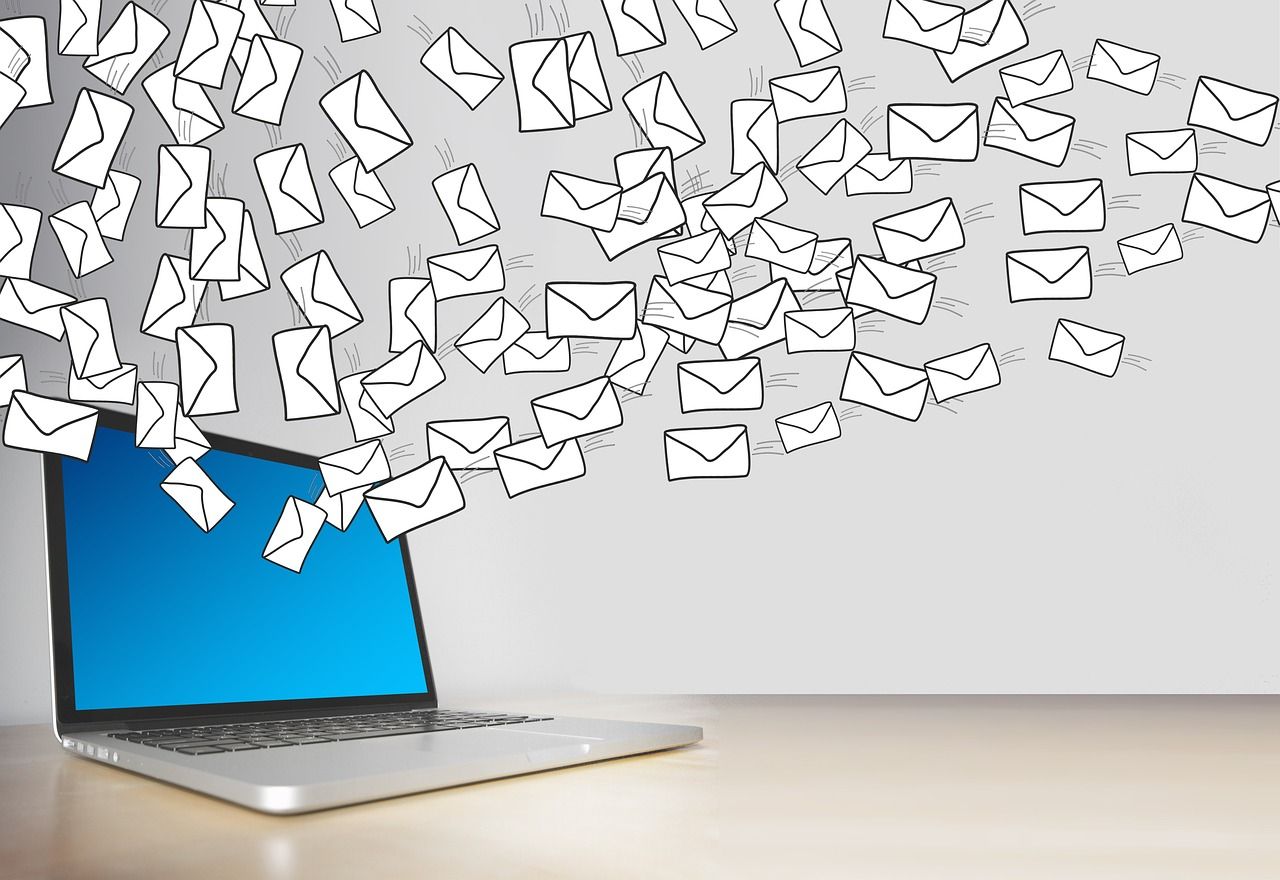
Representative image: geralt / Pixabay
SEGA said on 9 November 2026 that 2,196,044 newsletter email addresses leaked in a cyber attack on its Japanese vendor Arara; no passwords were taken.
What Happened
SEGA has confirmed that 2,196,044 customer email addresses were leaked in a Japan cyber attack on Arara, the outside company that sent its newsletters. In SEGA's notice published on Monday, 9 November 2026, the Japanese games company said an unknown third party gained unauthorised access to Arara's "Arara Message" email delivery system. SEGA said no names, home addresses, phone numbers, card details or passwords were taken, and it warned customers to watch out for fake emails that use its name.
SEGA data breach: key facts
- SEGA's count of leaked addresses is 2,196,044, of which 92,273 also carried some information linked to how the newsletters were delivered.
- The leaked addresses belonged to people who had signed up for newsletters from SEGA and its group company SEGA Fave.
- Addresses registered for a SEGA Account were not affected, because SEGA says they use a separate mail system.
- Arara shut down its Arara Message service on Saturday, 31 October 2026 and has not given a date to restart it.
- Arara told SEGA on Tuesday, 3 November 2026 that the newsletter addresses had leaked.
- SEGA has stopped all newsletters sent through Arara until their safety is confirmed.
- According to reports citing Arara's parent, PayCloud Holdings, the wider breach touched up to about 380 client companies.
SEGA data breach: why it matters
The leak did not happen inside SEGA's own systems. It happened at a vendor, a smaller company hired to do one job, in this case sending marketing emails. An attacker who breaks into one such vendor can reach the customers of hundreds of companies at once, which is known as a supply-chain attack. Signing up for a game newsletter can put an email address with firms the reader has never heard of.
The timeline shows how slowly such a leak can come to light. According to SEGA's notice, it first asked Arara about the risk on Thursday, 29 October 2026 and was told that no leak had been confirmed. After Arara made the attack public, SEGA checked again on Sunday, 1 November, and on 3 November it was told that its customers' addresses had been taken. SEGA then announced the leak six days later. Reports on the wider incident say the attacker also used Arara's own system to send up to about 7.13 million phishing emails that pretended to come from credit card companies between Wednesday, 28 October and Friday, 30 October.
Phishing is the main danger. An email address alone cannot open an account, but it lets a criminal send a convincing message that seems to come from a trusted game brand. SEGA said such messages could pretend to come from SEGA, SEGA Fave, Arara, or use the names of their games and services. It said neither SEGA nor SEGA Fave asks for passwords or card details by email.
The incident sits within a wider run of cyber attacks in Japan, which made "Japan cyber attack" a search trend in the United States this weekend. Reports citing Arara's updates say the count of addresses taken from the whole Arara Message service rose from about 77 million in its report of Monday, 2 November to 81,329,467 unique addresses in its update of Friday, 6 November. PayCloud has said these figures count email addresses, not people, since one person can have several.
Peepals calculation: SEGA's 2,196,044 addresses are about 2.7% of the 81,329,467 addresses Arara reported in total (2,196,044 ÷ 81,329,467 ≈ 0.027), so SEGA's customers are a small part of a much larger leak. Of SEGA's own count, 92,273 addresses, about 4.2%, came with extra delivery information (92,273 ÷ 2,196,044 ≈ 0.042), which leaves 2,103,771 that were bare email addresses. Arara's total also rose about 5.6% in four days, from about 77 million to 81.3 million. Our calculation from the reported figures.
For young readers in India, the point is that a game company's safety depends on every firm it hires. Checking the sender's address before clicking and ignoring messages that ask for passwords limit what one leak can do.
| Breach figure | Count |
|---|---|
| SEGA newsletter addresses leaked | 2,196,044 |
| Of which with delivery information | 92,273 |
| Arara total, 2 November report | about 77 million |
| Arara total, 6 November update | 81,329,467 |
Impact
Short-term: People on SEGA and SEGA Fave newsletter lists may receive fake emails that use SEGA's name or game titles. Genuine newsletters sent through Arara have stopped for now.
Long-term: The case adds pressure on game companies to check the security of vendors that hold their customer data.
Who is affected: SEGA and SEGA Fave newsletter subscribers, and other Arara Message clients and their customers. SEGA Account holders are not affected, according to SEGA.
Key Takeaway
A cyber attack on SEGA's Japanese email vendor Arara leaked 2,196,044 newsletter addresses, with no passwords or card details taken, and SEGA has warned of phishing emails using its name.
Questions and Answers
What happened in the SEGA data breach?
On 9 November 2026, SEGA said 2,196,044 newsletter email addresses leaked after attackers broke into Arara Message, the email delivery service of its vendor Arara. Names, addresses, phone numbers, card details and passwords were not taken, according to SEGA.
Is the SEGA leak part of the wider Japan cyber attack on Arara?
Yes. Arara's email service was used by hundreds of companies, and reports citing its updates say about 81.3 million unique addresses were taken in total, of which SEGA's customers make up about 2.7%.
Is my SEGA Account affected by the breach?
SEGA says no. Email addresses registered for a SEGA Account use a separate mail system and were not part of the leak, which covered only newsletter sign-ups for SEGA and SEGA Fave.
What should SEGA newsletter subscribers watch out for?
SEGA warned that criminals may send emails pretending to be SEGA, SEGA Fave or Arara, or using their game names. It says it never asks for passwords or card details by email.
Disclaimer: Prepared by the Peepals newsroom from publicly available sources with AI assistance. Information is accurate to the best of our knowledge at the time of publication and may change. Images may be representative. Not professional advice. Report an error via our contact page.
By Rhea Malhotra, Digital Life WriterCovers Digital Life and more for Peepals Yuva. All stories by Rhea Malhotra
Young graduate jobs: Stripe study blames work from home, not only AI
Whoop Humans: fitness band's new social feed shares sleep, recovery with friends
Get the day's stories in your inbox
Peepals Weekly: the week decoded, free. One email a week, unsubscribe in one click.
Rhea Malhotra is a pen name of the Peepals Global Editorial Team, which researches, fact-checks and publishes every story. The portrait is an illustration.
Responsible for this story: the Peepals Global Editorial Team, led by editor Prashant Sonar. How we report