
Tewolde GebreMariam: Air India wants more wide-body jets, flags costs
 By Siddharth VermaBusiness Correspondent, Peepals Bharat
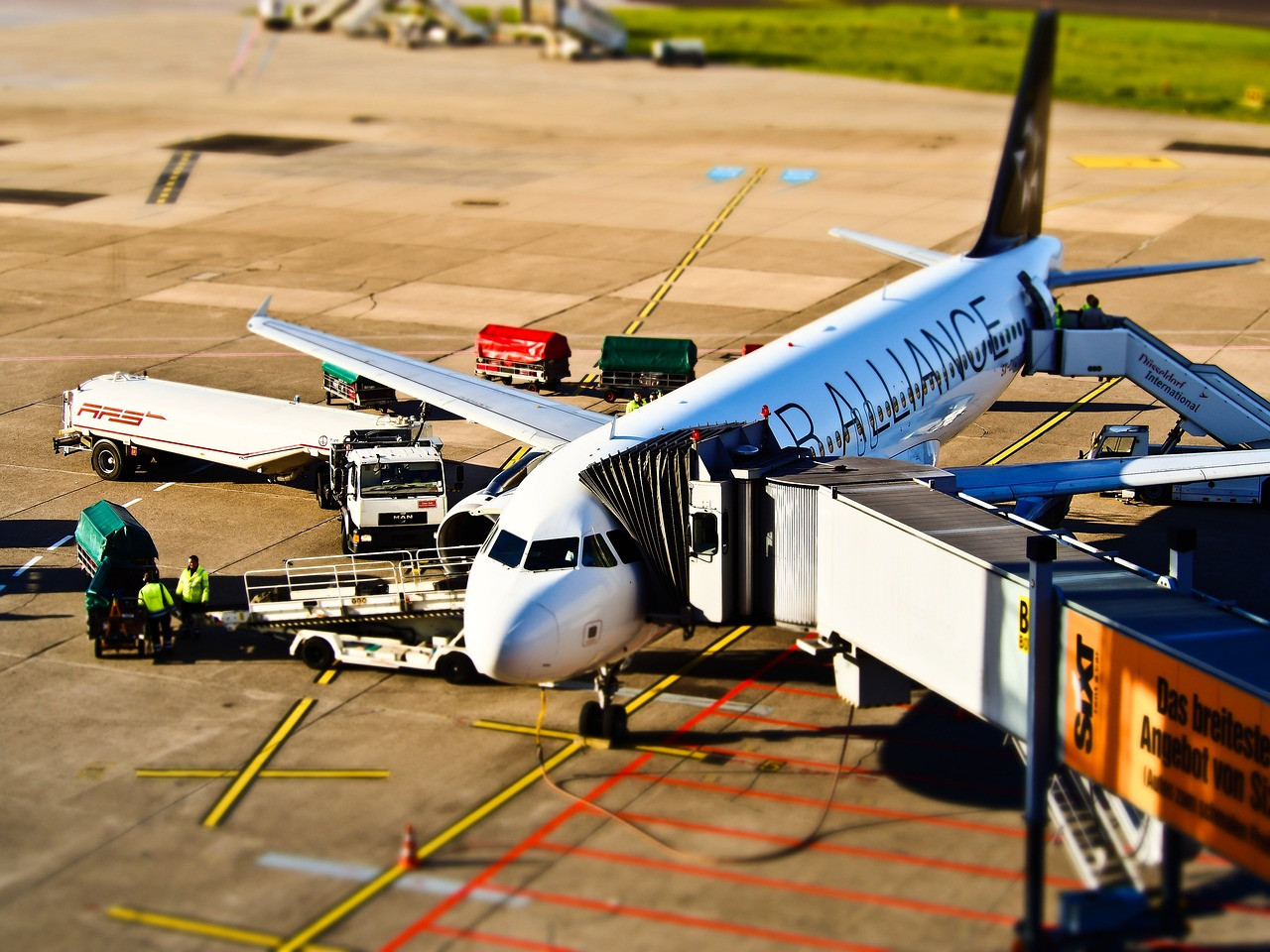
Representative image: 652234 / Pixabay
Air India CEO Tewolde GebreMariam said on 3 November the airline wants more wide-body jets but high costs are a major concern after a Rs 22,000 crore loss.
What Happened
Air India's chief executive Tewolde GebreMariam said the airline wants to order more wide-body aircraft for its international growth, but named high operating costs as a major worry, in his first major public appearance since taking charge of the Tata group carrier. Speaking at the Aviation India 2026 summit in New Delhi on Tuesday, 3 November 2026, he said a cross-functional team is already reviewing the airline's expenses, and that turning Air India around is a long-term job that could take 15 to 20 years.
Key Facts
- Speaker: Tewolde GebreMariam, CEO of Air India, who succeeded Campbell Wilson.
- Venue and date: Aviation India 2026 summit, New Delhi, Tuesday, 3 November 2026.
- He said: "Cost per available seat kilometre (CASK) is a major concern for us."
- A cross-functional team is reviewing costs, and the cost-cutting exercise will cover every part of the business, he said.
- Since 2022 the group has ordered 80 wide-body planes: 50 Airbus A350s, 20 Boeing 787 Dreamliners and 10 Boeing 777X aircraft.
- Plans include rebalancing the route network, winning back share in overseas markets, and closer working with low-cost arm Air India Express, including shared corporate functions.
- Air India's loss widened to more than Rs 22,000 crore in 2025-26, amid higher fuel prices and the closure of Pakistan's airspace, according to reports.
Why It Matters
Wide-body planes are the large, twin-aisle aircraft used on long international routes, such as flights to North America, Europe and Australia. They earn more per flight than smaller jets, but they are also expensive to buy, fuel and staff. When Air India's chief executive says he wants more of them while also calling costs a "major concern", he is describing the central balancing act for Air India: grow abroad without making losses worse.
CASK, or cost per available seat kilometre, is the standard way airlines measure efficiency. It is the total cost of running the airline divided by the number of seats it flies multiplied by the distance flown. A lower CASK means each seat costs less to fly, which lets an airline charge competitive fares and still make money. That is why the new CEO has put CASK at the top of his list.
The airline has faced several shocks. Higher fuel prices raise the biggest single cost for any airline. The closure of Pakistan's airspace means longer routes for flights that used to cross it, burning more fuel and time. Both helped push the loss for 2025-26 above Rs 22,000 crore, according to reports. Against that background, the CEO's long time frame of 15 to 20 years is a signal that the owners expect a slow repair rather than a quick turnaround.
For Indian travellers and workers, the plan matters in practical ways. More wide-body planes could mean more long-haul capacity from Indian cities, and a tighter cost base could help keep fares competitive. For the aviation sector, closer integration between Air India and Air India Express could change how the group shares staff and back-office work, which is where much of the saving is expected.
Peepals calculation: of the 80 wide-body planes ordered since 2022, Airbus A350s make up 62.5% (50 ÷ 80), Boeing 787s 25% (20 ÷ 80) and Boeing 777X jets 12.5% (10 ÷ 80). A loss of Rs 22,000 crore in a year works out to roughly Rs 60 crore a day (22,000 ÷ 365 ≈ 60.3). Our calculation from the reported figures.
| Aircraft type | Planes ordered since 2022 | Share of wide-body order |
|---|---|---|
| Airbus A350 | 50 | 62.5% |
| Boeing 787 Dreamliner | 20 | 25% |
| Boeing 777X | 10 | 12.5% |
| Total | 80 | 100% |
Impact
Short-term: Staff and suppliers can expect a company-wide review of spending, and the network may be reshaped as the airline looks to win back overseas markets. New wide-body orders, if placed, would take years to deliver.
Long-term: If costs come down while the long-haul fleet grows, Air India could carry a bigger share of travel between India and the rest of the world. If not, the expansion could deepen losses. The CEO himself has framed the effort as one lasting 15 to 20 years.
Who is affected: Air India and Air India Express employees; passengers on international and domestic routes; aircraft makers Airbus and Boeing; Indian airports that host long-haul flights; and the Tata group, which owns the airline.
Key Takeaway
Air India's new CEO wants more wide-body jets to grow abroad, but has made cutting the cost per seat-kilometre his first task after a loss of more than Rs 22,000 crore in 2025-26.
Questions and Answers
Who is the CEO of Air India now?
Tewolde GebreMariam is Air India's chief executive. He succeeded Campbell Wilson and made his first major public appearance in the role at the Aviation India 2026 summit in New Delhi on 3 November 2026.
What does CASK mean in aviation?
CASK stands for cost per available seat kilometre. It is an airline's total operating cost divided by its seat capacity multiplied by the distance flown, and it shows how cheaply an airline can fly each seat.
How many wide-body planes has Air India ordered?
Since 2022 the group has ordered 80 wide-body aircraft: 50 Airbus A350s, 20 Boeing 787 Dreamliners and 10 Boeing 777X jets.
How much did Air India lose in 2025-26?
Air India's loss widened to more than Rs 22,000 crore in 2025-26, according to reports, amid higher fuel prices and the closure of Pakistan's airspace.
Disclaimer: Prepared by the Peepals newsroom from publicly available sources with AI assistance. Information is accurate to the best of our knowledge at the time of publication and may change. Images may be representative. Not professional advice. Report an error via our contact page.
By Siddharth Verma, Business CorrespondentCovers Business and more for Peepals Bharat. All stories by Siddharth Verma
Maharashtra co-op law change: five government nominees on big boards
Punjab computer teachers DA hike: 181% to 221% for 6,507 PICTES staff
Get the day's stories in your inbox
Peepals Weekly: the week decoded, free. One email a week, unsubscribe in one click.
Siddharth Verma is a pen name of the Peepals Global Editorial Team, which researches, fact-checks and publishes every story. The portrait is an illustration.